

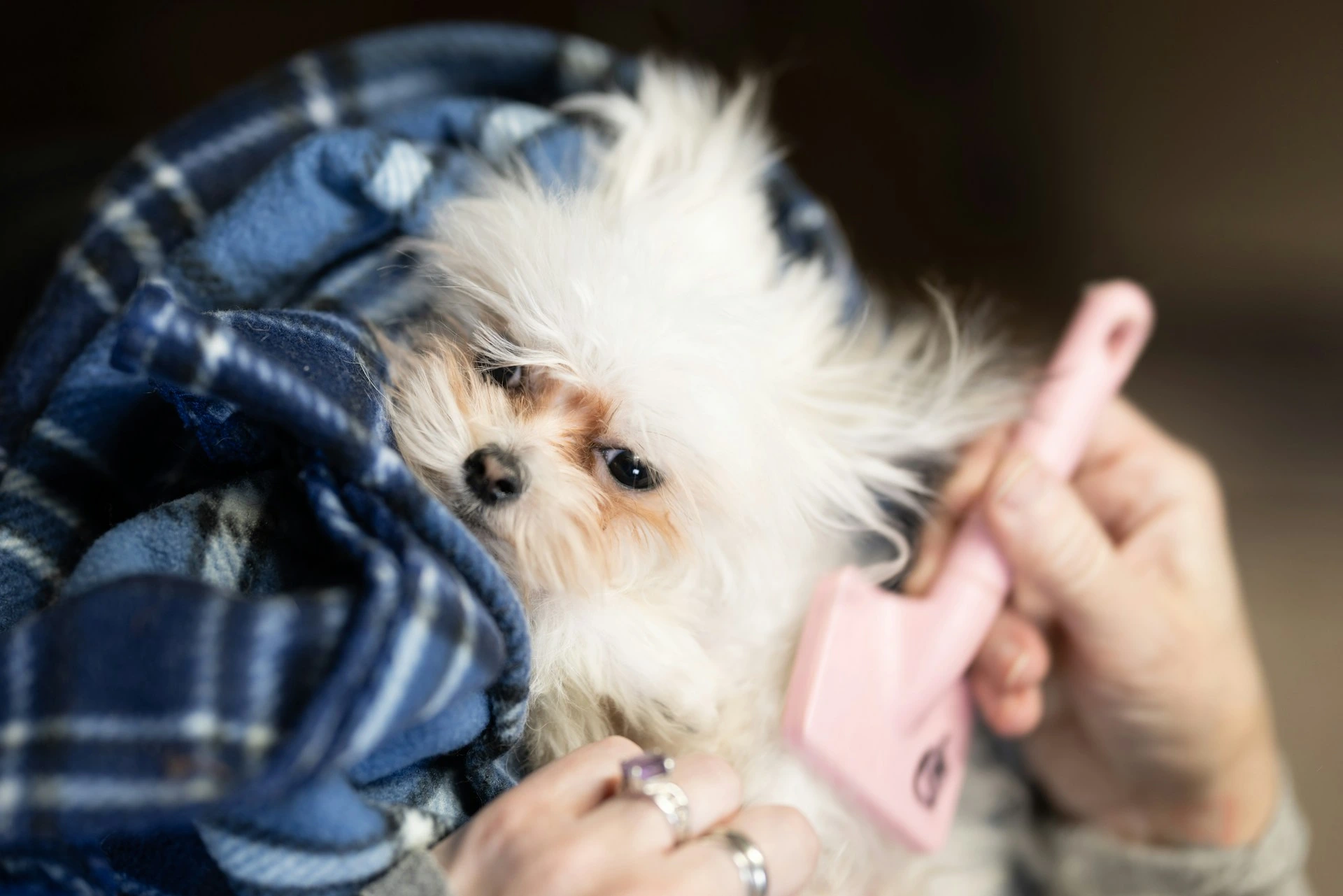
Does your pooch run when he hears the word Bath? He’s not alone. Many pups aren’t big fans of getting bathed. Your pup’s skin and coat form a protective barrier that supports comfort, temperature regulation, and overall well-being. When that barrier becomes dry, itchy, or irritated, it affects your dog’s behavior, confidence, and comfort.
At Family Pet Hospital, your friendly veterinary clinic in Springville, UT, we work with dog owners from Springville, Mapleton, Spanish Fork, Utah Valley, and throughout Utah County to keep their dogs’ skin and coats healthy between grooming appointments. Good grooming habits do more than make your dog look nice; they also play a big role in everyday dog dermatology care and detecting early signs of irritation before things worsen.
Why Grooming Supports Skin Health for Dogs in Springville, UT
Utah’s climate can be tough on both humans’ and dogs’ skin. Summer dryness, dusty trails, harsh sunlight, winter heating systems, and cold winds can all irritate your dog’s coat and skin. Our canine pals can develop irritation from environmental exposure while running through grass, brushing past shrubs, or even just exploring parks and fields.
Grooming is one of the best ways to protect your furry friend from these elements. Regularly brushing and bathing Fido will get rid of dust and dander in his fur, prevent matting, and keep the natural oils distributed evenly across the skin. When your dog feels clean and comfortable, they’re less likely to lick or scratch excessively.
Grooming also gives you a chance to inspect your pup’s skin closely for changes such as redness, dry patches, small bumps, or advanced shedding that might need veterinary guidance.
Dog Skin Care at Home Begins With Regular Brushing
Brushing is the foundation of doggy beauty care. Not only does brushing remove loose fur, dust, pollen, and dirt; it also boosts circulation and spreads natural oils throughout the coat.
Brush According to Coat Type
Different dogs need different brushing routines:
- Short-coated dogs may only need brushing once or twice a week.
- Double-coated breeds or long-haired pups may need brushing several times weekly, especially during shedding seasons.
- Dogs who love outdoor trails in Mapleton or Spanish Fork might benefit from quick brushing after outdoor play to help remove allergens.
Consistent brushing reduces mats, which can trap moisture or debris and cause mild irritation. It also helps you spot skin issues before they progress.
Bathing Tips That Support Skin and Coat Wellness
Bathing is another important piece of dog dermatology care, but timing it right is crucial. Bathing Fido too often can cause dryness or disrupt your dog’s natural skin oils. Striking the right balance keeps your canine buddy clean and comfortable without overdoing it.
Choose a Healthy Bathing Schedule
Most dogs do well with a bath every 4–6 weeks, although active pups (and those who love mud puddles) may need more frequent ones. Bathing too often can dry the skin, so monitoring your dog’s coat and seasonal needs helps you choose the best schedule.
Focus on Thorough Drying
Moisture that lingers in the coat, especially in areas like the underarms, paws, belly, and tail base, can irritate sensitive skin. Always dry your pup completely after baths, rain, or swimming. Proper drying reduces odor, supports coat health, and minimizes the chances of skin discomfort.
Healthy Dog Coat Tips for Everyday Grooming
A shiny, soft coat is often a sign that the skin underneath is healthy. Daily habits that support coat health also play a major role in reducing irritation and managing mild skin concerns.
Maintain Good Nutrition and Hydration
Healthy skin starts on the inside. Dogs who receive balanced nutrition often have shinier coats, fewer flakes, and overall improved comfort. Hydration is key too, especially in Utah’s dry climate. Make sure your pup has access to fresh water at all times, and monitor their intake during warmer months.
Check the Coat During Routine Grooming
When brushing or drying your pup, gently part the fur and look at the skin. Check for:
- Redness
- Flakes
- Bumps
- Areas of thinning fur
- Excessive oiliness
These early signs help you determine whether you’re simply dealing with mild dryness or need to adjust grooming habits.
Managing Mild Skin Issues Through Gentle Grooming Habits
Dirt, pollen, stickers, burrs, and dust can irritate the skin—with outdoor-loving dogs often picking these up as they run, roll, and explore.
Rinse Away Outdoor Irritants
If Fido enjoys sniffing through tall grasses or racing across dusty fields in Utah Valley, a quick wipedown after outings helps remove surface irritants and reduces itching, which can prevent your pup from licking or scratching excessively.
Keep the Coat Clean and Mats Under Control
Mats trap debris and moisture, which can irritate the skin. Even short-coated dogs can develop small tangles in areas with friction, like behind the ears or in the armpits. Regular brushing keeps matting from causing unnecessary discomfort.
Monitor the Paws
Paws are often overlooked, but they pick up pollen, dust, and grasses that contribute to itchiness. Inspect your pup’s paws after outdoor activity and wipe them clean after walks. Paw care also plays a role in reducing overall skin irritation.
Click here to read more about dog grooming at the AKC website here. The ASPCA also has a piece on Fido’s beauty care needs, which you can find here.
How Seasonal Weather Affects Skin and Coat Care
Utah’s climate has four distinct seasons, each affecting your pup’s skin in different ways.
In Winter
Indoor heat and dry air often lead to flaky skin. Regular brushing, consistent hydration, and using a humidifier in your home can help.
In Spring and Summer
Pollen, grass, and environmental allergens are at their peak. Brushing, rinsing after hikes, and watching for seasonal itching help keep your dog comfortable.
In Fall
Dry grasses, debris, and cooler air can increase irritation for both short-coated and long-coated dogs.
Grooming habits that adjust with each season help keep the coat and skin healthy year-round.
When to Contact Your Veterinarian About Skin Concerns
While many mild skin issues respond well to grooming and at-home care, certain changes may need a veterinarian’s guidance. Contact Family Pet Hospital if you notice:
- Hair loss beyond normal shedding
- Persistent itching or licking
- Hot spots
- Unusual bumps
- Strong odor
- Redness that spreads or worsens
- Scabbing or open sores
Your veterinarians can help determine if allergies, infections, parasites, or other dermatology concerns are contributing.
Frequently Asked Questions About Dog Skin and Grooming Care
How often should I brush my dog?
Most dogs benefit from brushing several times a week, depending on coat type. Ask your vet for specific advice.
Why is my dog itching even after grooming?
Environmental allergens, mild dryness, or irritants may still be affecting the skin. If you bathed your dog and didn’t get all the suds off when rinsing, that could also be a factor. Contact your vet if the issue persists.
Is dry skin always a medical concern?
Not always. Many dogs experience mild dryness that improves with grooming adjustments.
Does bathing help with skin issues?
Bathing can help, but only when done properly. Ask your vet for specific tips.
Should I trim my dog’s coat at home?
Light trimming may be okay for some dogs, but professional guidance is best for safety.
Visit Our Springville, UT Veterinary Clinic for Dog Skin and Coat Support
If you’re searching for a supportive vet near me or an experienced veterinary clinic in Springville, UT, Family Pet Hospital is here to help your pup look and feel their best. These dog dermatology care habits provide a strong foundation, and whether you live in Springville, Mapleton, Spanish Fork, Utah Valley, or anywhere in Utah County, our veterinarians can help you build the right plan for dog skin care at home, healthy grooming routines, and managing mild skin issues with confidence.
Schedule an appointment with our animal hospital today to support your dog’s skin and coat health through every season.
This blog is intended for informational purposes only. Always consult your veterinarian for personalized guidance, diagnosis, or treatment recommendations tailored to your dog’s needs.
Want to learn more about our pet clinic and the services we offer? You can stop by our main Services page here for an overview. You can also check out our Wellness & Vaccinations info page here, or our Nutrition & Weight Management options here.