

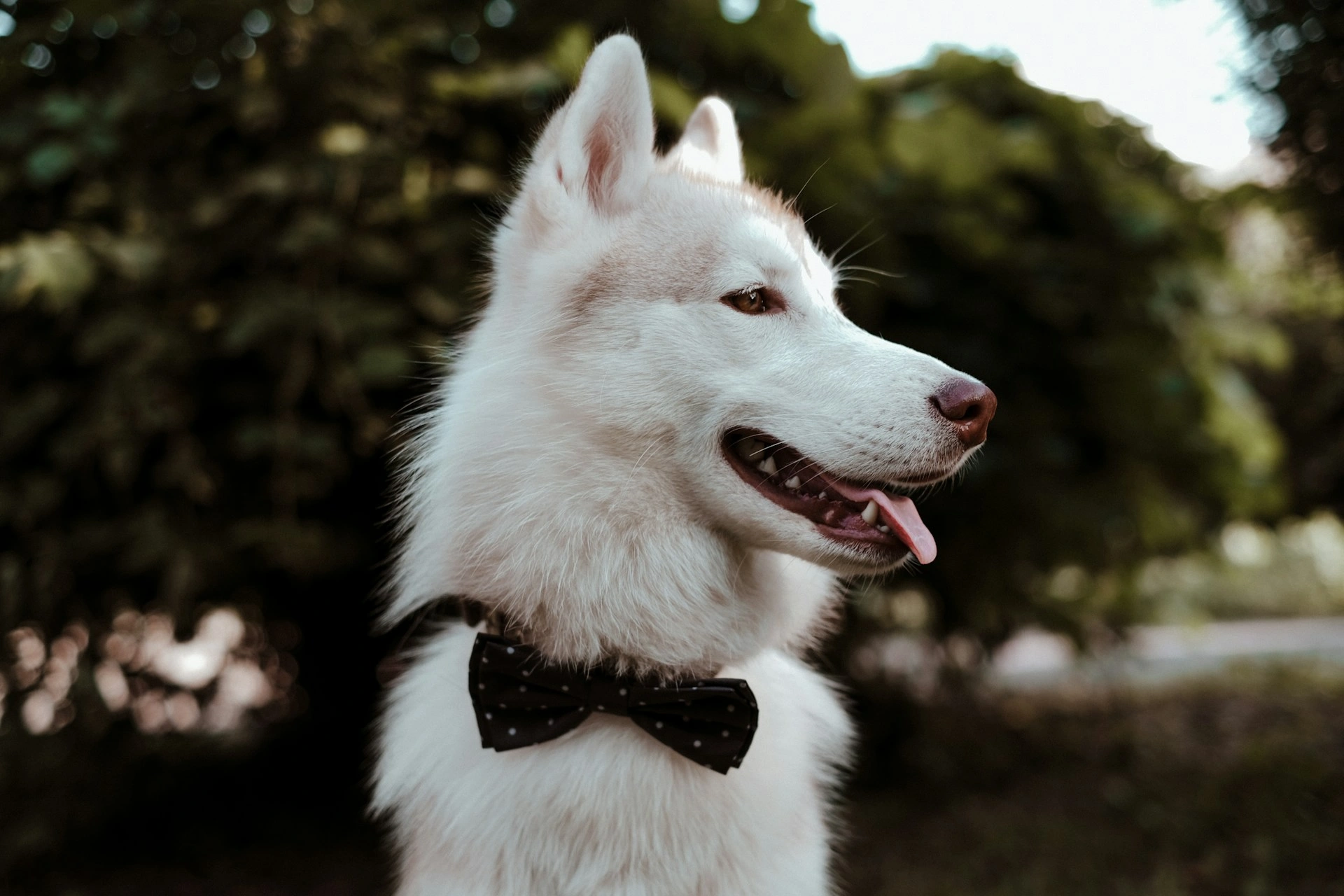
If you’ve ever noticed your older pup slowing down when the temperatures drop, you’re not alone. At Family Pet Hospital, your trusted veterinary clinic in Springville, UT, we work with dog owners from Springville, Mapleton, Spanish Fork, Utah Valley, and Utah County who want to keep their aging dogs comfortable during winter. As dogs grow older, they become more sensitive to cold weather, and understanding the right senior dog wellness tips can make chilly months far easier for your four-legged buddy.
Cold weather affects senior dogs differently than younger pups. Their joints may feel stiffer, their skin may dry out faster, and their tolerance for temperature changes becomes more limited. In this guide, you’ll learn practical and compassionate ways to support your senior canine companion with cold weather dog safety, aging dog care advice, and helpful winter health tips for dogs that keep your beloved furry pal warm, happy, and comfortable through every winter season.
How Cold Weather Affects Senior Dog Health in Springville, UT
Senior dogs experience normal age-related changes that make winter weather more challenging for them. Their joints may already feel stiff from arthritis or reduced mobility. Cold air can intensify this discomfort, making movement more difficult. Dry indoor air mixed with frigid outdoor temperatures can affect their skin and coat, while older dogs may struggle to regulate body temperature effectively.
Living in places like Springville, Mapleton, and Spanish Fork means dealing with snow, icy sidewalks, harsh winds, and unpredictable fluctuations between warm indoor air and cold outdoor conditions. These seasonal factors can influence your older pup’s comfort and overall well-being. Supporting them with intentional, seasonally appropriate care helps reduce winter-related stress and supports overall senior wellness.
Your canine companion relies on you to make thoughtful adjustments when temperatures drop, and each small change contributes to a more comfortable season.
Recognizing Winter Discomfort in Senior Dogs
Understanding how your senior dog shows discomfort helps you take action before symptoms worsen. Dogs often communicate subtly, especially as they age.
You may see signs such as trembling, slower movements, hesitation when walking or climbing, stiffness after resting, reluctance to go outside, whining, or seeking warm places like blankets, heating vents, or soft bedding. Some dogs may also show more irritability when they feel uncomfortable, especially around their joints or paws.
Older pups may drink less water in the winter, which can contribute to dehydration. You might also notice dry skin, dull coat, or dry paw pads. These are important indicators that your senior dog’s routine may need seasonal adjustments.
With the right senior dog wellness tips, you can respond quickly and help Fido remain comfortable even in colder temperatures.
Supporting Joint Health in Older Dogs During Winter
Joint care is one of the most important aspects of winter wellness for aging dogs. Cold weather can make arthritis and stiffness more noticeable.
Provide Gentle, Low-Impact Exercise
While your senior pup may not move as easily as they once did, regular movement helps maintain joint flexibility and muscle strength. Gentle walks, light play, and indoor activities help keep your dog active without straining their joints.
Slow and steady activity supports mobility and prevents your pooch from becoming overly stiff during winter. It’s one of the most reliable winter health tips for dogs, especially for our older canine companions.
Maintain a Comfortable Indoor Environment
Senior dogs appreciate warm, draft-free areas. Providing thick bedding, cozy blankets, and soft sleeping spots helps reduce pressure on aging joints. Your older pup will likely seek out warmth, so creating designated cozy zones supports their comfort.
Cold Weather Dog Safety Tips for Outdoor Time
Even senior dogs need outdoor activity, but safety becomes essential during winter months.
Limit Time Outdoors in Harsh Conditions
Older dogs are more sensitive to cold and can become chilled quickly. Reducing time spent outside during storms, windy weather, or especially cold days helps protect your dog’s health. Keep outdoor time short during the coldest periods.
Watch for Ice and Slippery Surfaces
Icy sidewalks can be difficult for senior dogs to navigate. Slipping can lead to injuries, especially for dogs with arthritis or mobility concerns. Choosing safer walking routes or clearing pathways at home supports cold weather dog safety each time Fido goes outside.
Monitor Paw Health
Snow, ice, and salted sidewalks can irritate senior dogs’ paws. After walks, check for redness, cracking, or stuck ice between paw pads. Wiping paws gently helps prevent discomfort and keeps debris from spreading inside your home.
Your dog may lift their paws or hesitate to walk if their feet become too cold. Noticing these signs early prevents avoidable discomfort.
The Red Cross has a great article with winter safety tips for your dogs, which you can read here. Cornell University also has a great article on winter safety for Fido that you can read here.
Keeping Senior Dogs Warm and Comfortable Indoors
As dogs age, their ability to regulate body temperature decreases, making warmth essential during the winter season.
Provide Soft, Insulated Bedding
Senior dogs often experience joint stiffness and need extra cushioning. Beds with supportive padding or microfiber blankets help older pups rest more comfortably. Place these beds away from drafts, cold floors, or frequently opened doors.
Your canine companion may benefit from multiple resting areas throughout the home, especially near warm air vents or sunlit windows.
Maintain a Stable Indoor Temperature
Rapid temperature changes can be uncomfortable for older dogs. Keeping your home at a consistent, moderate temperature helps prevent discomfort caused by cold air or dryness.
Monitor Your Dog’s Coat and Skin
Cold air and indoor heating can cause dry skin and dull coats. Brushing regularly helps distribute natural oils, which supports skin health and overall comfort. Senior dogs often enjoy the bonding time and gentle sensation brushing provides.
Aging Dog Care Advice for Hydration and Nutrition During Winter
Diet and hydration play important roles in winter wellness. Older dogs may lose interest in drinking water when the weather cools, increasing the risk of dehydration.
Encourage Regular Water Intake
Offer fresh water frequently and consider placing multiple bowls in areas where your senior pup likes to rest. Some dogs prefer slightly warmed water during cold months, making it more inviting.
Monitor Your Dog’s Appetite
Cold weather may change your dog’s appetite or energy level. Work with your veterinarian at Family Pet Hospital to determine if your senior dog needs dietary adjustments based on winter activity patterns.
Support Healthy Digestion
Older dogs benefit from balanced, senior-appropriate diets that support digestion, joint health, and immune systems. Even small nutritional changes can significantly improve comfort during colder seasons.
Winter Health Tips for Dogs: Indoor Activities for Senior Pups
Because winter often limits outdoor playtime, indoor activities become especially valuable for aging dogs. Mental stimulation helps prevent boredom while strengthening your bond.
Gentle Indoor Playtime
Soft toys, slow-paced fetch, or simple scent games help your dog stay active indoors. These activities are low impact, making them ideal for older pups with joint concerns.
Short Training Sessions
Teaching or reinforcing basic commands supports mental agility. Many senior dogs love the attention and structure that training provides.
Scent-Based Games
Scent work boosts confidence and keeps your furry pal engaged. Hiding treats or creating easy scent trails can stimulate their senses in gentle ways that suit older dogs.
Grooming and Coat Care for Senior Dogs in Winter
Senior dogs benefit from consistent grooming, especially during the winter months.
Regular Brushing
Brushing removes loose fur, improves circulation, and supports skin health. Senior dogs with thinning coats may need more frequent brushing to maintain comfort.
Monitor for Skin Changes
Watch for flaking, redness, or excessive scratching. Dry winter air can irritate skin, and early detection helps keep your dog more comfortable.
Keep Your Dog Dry and Clean
Moisture from snow or rain can make senior dogs feel colder. Drying your pup thoroughly after coming inside helps prevent chills and keeps them comfortable.
When Winter Behavior Changes Signal Something More
Behaviors such as stiffness, lethargy, or reluctance to go outside may reflect discomfort, but they can also signal underlying medical concerns. Senior dogs often develop issues such as arthritis, heart concerns, or respiratory sensitivities.
If your dog’s behavior changes suddenly or significantly, contacting your veterinarians at Family Pet Hospital helps ensure your canine buddy receives timely, personalized care.
Your senior dog’s well-being depends on attentive observation and early intervention.
Frequently Asked Questions About Senior Dog Winter Care
Why is my senior dog more stiff in winter?
Cold weather can worsen joint stiffness, especially in dogs with arthritis or reduced mobility.
How long should my older dog stay outside in winter?
Short periods are best, especially during colder temperatures, storms, or windy days.
What signs indicate my senior dog is too cold?
Shivering, whining, slow movement, hunched posture, or seeking warm spots can all indicate discomfort. Fido may also stick near heat sources, such as a vent or fireplace.
Should senior dogs exercise in winter?
Yes, but gently. Light activity helps maintain flexibility and prevents stiffness.
How can I keep my old dog comfortable indoors during winter?
Warm resting places, consistent temperatures, regular brushing, and stable routines all help support winter comfort.
Visit Our Springville, UT Veterinary Clinic for Senior Dog Winter Wellness
If you’re searching for a trustworthy vet near me or experienced veterinarians in Springville, UT, Family Pet Hospital is here to help your senior dog stay comfortable all winter long. These senior dog wellness tips offer a strong foundation for cold-weather comfort, but every aging dog has unique needs. Whether you live in Springville, Mapleton, Spanish Fork, Utah Valley, or anywhere in Utah County, our veterinary clinic provides compassionate care tailored to your dog’s health and lifestyle.
Schedule an appointment with our animal hospital today to support your senior dog’s winter health and overall well-being.
This blog is for informational purposes only. Always consult your veterinarian for personalized medical advice, diagnosis, or treatment recommendations for your dog’s needs.
Want to learn more about our pet clinic and the services we offer? You can stop by our main Services page here for an overview. You can also check out our Wellness & Vaccinations info page here, or our Nutrition & Weight Management options here.