

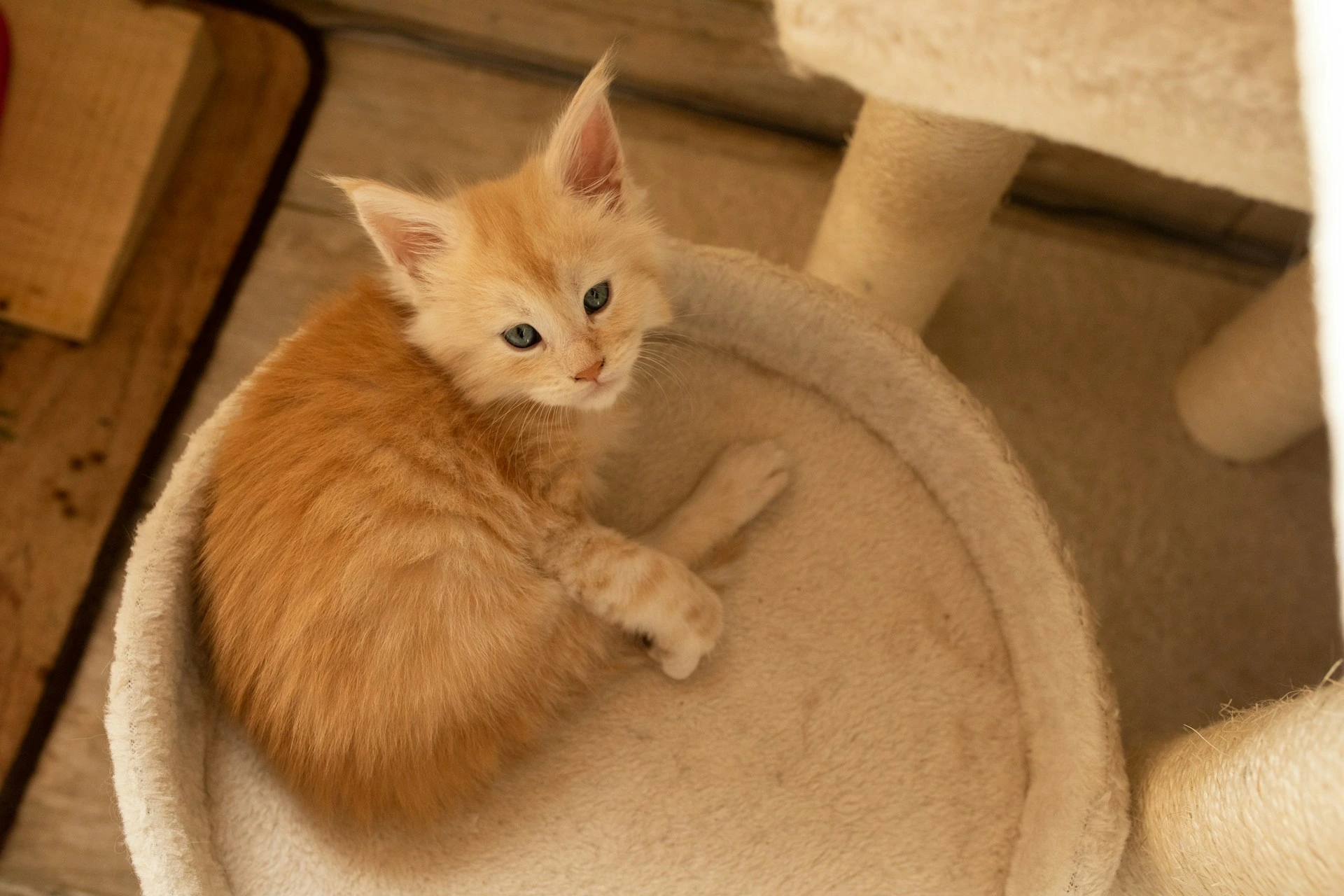
Have you ever wondered what goes on in the mind of a shy kitty who always seems to melt into the nearest hiding spot? At Family Pet Hospital, your trusted veterinary clinic in Springville, UT, we regularly help cat owners from Springville, Mapleton, Spanish Fork, Utah Valley, and the surrounding Utah County communities understand the unique needs of timid cats. Learning reliable shy cat confidence tips can make a remarkable difference for Fluffy, especially if you want to help your feline friend feel secure and thrive at home.
Some cats are bold explorers the moment they enter a room, while others need time, space, and reassurance to adjust. Whether your feline pal hides under beds, avoids new people, or seems overwhelmed by changes in the household, gentle guidance can help them develop trust and confidence. In this guide, you will learn how to socialize a shy cat, practical steps for boosting confidence in cats, and compassionate strategies for timid cat behavior support that encourage your furry bestie to grow emotionally at their own pace.
Why Some Cats Are Naturally Shy or Timid
Cats experience the world through their senses, instincts, and personal histories. Some kittens are born bold, while others are naturally more cautious. Genetics, early socialization, past experiences, household changes, and even individual temperament all play a role in shaping your kitty’s behavior.
Your feline companion may retreat to quiet areas because they feel overwhelmed, unsure, overstimulated, or simply uncertain about their environment. A shy cat is not bad or broken —rather, they are processing their surroundings in a way that feels safe to them. Understanding this helps you meet your kitty where they are emotionally, instead of trying to rush their progress.
Shy cats often bond deeply once they feel secure. Their trust is something special and worth cultivating with patience and kindness.
Recognizing Shy or Timid Cat Behavior at Home
Every cat has a unique personality, but timid tendencies usually appear in similar ways. Your kitty may hide when visitors arrive, avoid open spaces, flinch at sudden sounds, or retreat when approached. Some shy cats stay close to their favorite human but remain distant with others. Others may exhibit freeze responses, crouched postures, slow blinking, or limited vocalizations.
Your feline pal may observe from afar, choosing elevated perches or partially hidden spots to monitor the room. Understanding these habits gives you insight into your cat’s comfort level and helps you adapt your home and routines to support emotional growth.
Shy cats often show slow, subtle changes over time. Each small improvement—such as coming out of hiding more often or exploring new areas—is a meaningful milestone in building their confidence.
Creating a Safe, Predictable Environment for Your Shy Kitty
Cats feel safer in environments that are familiar, consistent, and predictable. Establishing a stable home routine is one of the most effective shy cat confidence tips, especially when supporting timid cats.
Offer Secure Safe Zones
Safe zones give your feline friend somewhere comfortable to retreat when they feel overwhelmed. These may include cozy cat beds, cardboard boxes with soft blankets, window perches, or quiet rooms that feel protected. Placing these safe zones away from heavy foot traffic or loud noises helps your kitty build trust in their home environment.
These designated areas should be places where Fluffy can rest without being disturbed. When you allow your cat to retreat by choice, you reinforce a sense of control that supports emotional security.
Stick to Predictable Routines
Cats thrive when they know what to expect each day. Consistent feeding times, play sessions, and quiet hours help shy cats settle into a sense of stability. Predictability helps reduce stress, which is a key part of timid cat behavior support.
Small daily routines, such as greeting your kitty at the same time each morning or offering gentle interaction during peaceful moments, help build trust naturally.
Minimize Stressful Triggers
While you cannot eliminate every stressor, you can soften their effects. Loud noises, chaotic movement, or sudden household changes may overwhelm your feline companion. Providing gentle transitions and stable surroundings helps your kitty feel safer and less anxious.
How to Socialize a Shy Cat in a Gentle, Respectful Way
Socializing a timid cat isn’t about forcing interaction—it’s about offering opportunities for connection and letting your kitty take the lead.
Use Calm, Slow Movements
Cats read body language carefully. Slow, predictable movements signal safety. Sitting quietly on the floor, blinking slowly, and avoiding direct eye contact can help your feline pal feel more at ease.
If Fluffy approaches you, it’s a good sign! Always let the kitty initiate contact by sniffing or rubbing against you (or maybe even jumping into your lap). This fosters voluntary bonding rather than pressure.
Let Your Cat Set the Pace
Rushing a shy cat often backfires. Let your kitty choose when to explore, interact, or investigate new spaces. Every cat has their own timeline. Respecting their pace builds trust and encourages gradual growth in confidence.
When your feline companion notices that you honor their boundaries, they are more likely to approach you on their own terms.
Associate Interaction With Positive Experiences
Creating positive associations helps your kitty connect gentle interaction with rewarding outcomes. Offering soft praise, affection, or small treats during calm moments encourages your feline friend to see human contact as comforting rather than intimidating.
This approach is useful when introducing your cat to new people or pets. Calm, predictable, and gentle interactions make introductions smoother and more successful.
Boosting Confidence in Cats Through Enrichment and Play
Playtime is more than just entertainment for shy cats. It’s a powerful tool for building confidence and reducing anxiety.
Encourage Interactive Play Sessions
Toys that mimic natural prey allow your feline pal to practice hunting instincts safely. Wand toys, slow-moving objects, and rolling balls help timid cats express themselves while gaining strength and courage.
These sessions also offer opportunities for positive reinforcement and gentle bonding, especially when your feline overlord approaches playtime cautiously.
Support Exploration Through Scent and Territory
Cats rely heavily on scent to understand their environment. Allowing your kitty to explore at their own pace strengthens their comfort in different parts of the home. You may notice Fluffy rubbing their cheeks on furniture or objects. This is normal territorial marking and helps them feel more secure.
Offering elevated perches or safe climbing spaces also boosts confidence. Height gives your cat a safe vantage point to observe their surroundings.
Use Puzzle Toys for Mental Confidence
Puzzle toys and interactive feeders stimulate your kitty’s mind and encourage problem-solving. When your feline companion successfully engages with these activities, they build self-assurance that carries into other areas of their life.
Even small victories can help timid cats feel capable and strong.
Helping Your Shy Cat Adjust to New People or Pets
When visitors come to the home or a new pet is introduced, shy cats may feel uncertain.
Create Gradual Introductions
Allow your kitty to observe new people or pets from a distance before engaging. Let them sniff from afar or watch from their favorite perch. Respecting their comfort level helps reduce stress and prevent negative associations.
Offer a Quiet Retreat During Social Events
If your household becomes busier, provide a quiet, enclosed space where your feline friend can retreat without disturbance. This helps them feel safer when they cannot predict the environment.
When Timid Cat Behavior Indicates Stress or Discomfort
Some behaviors reflect deeper emotional or physical concerns. Behavioral changes such as excessive hiding, loss of appetite, sudden aggression, or overgrooming may indicate anxiety or underlying medical issues.
If your feline pal shows drastic changes in demeanor or habits, contacting your veterinarians at Family Pet Hospital ensures your cat receives compassionate, personalized care.
Your kitty’s emotional wellness matters, and addressing concerns early supports long-term happiness.
Austin’s Pets Alive has a helpful article on helping a scaredy cat settle in on their website here. PetMD has an article on feline anxiety here.
Frequently Asked Questions About Shy Cat Confidence
How long does it take for a shy cat to gain confidence?
Every cat is different. Some adjust in weeks, while others may need several months of gentle guidance.
Should I try to pick up a shy cat?
Not at first. Allow your kitty to initiate contact and build trust gradually.
Can shy cats become friendly?
Absolutely. With patience, structure, and the right shy cat confidence tips, many timid cats become affectionate companions. Fluffy may become a lovebug!
Why does my shy cat hide so much?
Hiding is a natural coping behavior that helps cats feel safe. Offering secure hiding places supports emotional wellness.
How do I introduce a shy cat to strangers?
Slowly, gently, and on your cat’s timeline. Allow your kitty to observe from a distance first.
Visit Our Springville, UT Veterinary Clinic for Shy Cat Support
If you’re searching for a compassionate vet near me or a trusted veterinary clinic in Springville, UT, Family Pet Hospital is here to support your feline companion’s emotional and physical wellness. These shy cat confidence tips can help your kitty feel more secure, but every cat is unique. Whether you live in Springville, Mapleton, Spanish Fork, Utah Valley, or elsewhere in Utah County, our veterinarians can help you understand your feline friend’s needs and guide you in boosting confidence in cats gently and effectively.
Schedule an appointment with our animal hospital today to help your timid cat feel safer, happier, and more at ease in your home.
This blog is intended for informational purposes only. Always consult your veterinarian for personalized advice, diagnosis, or guidance tailored to your cat’s specific needs.
Want to learn more about our pet clinic and the services we offer? You can stop by our main Services page here for an overview. You can also check out our Wellness & Vaccinations info page here, or our Nutrition & Weight Management options here.