

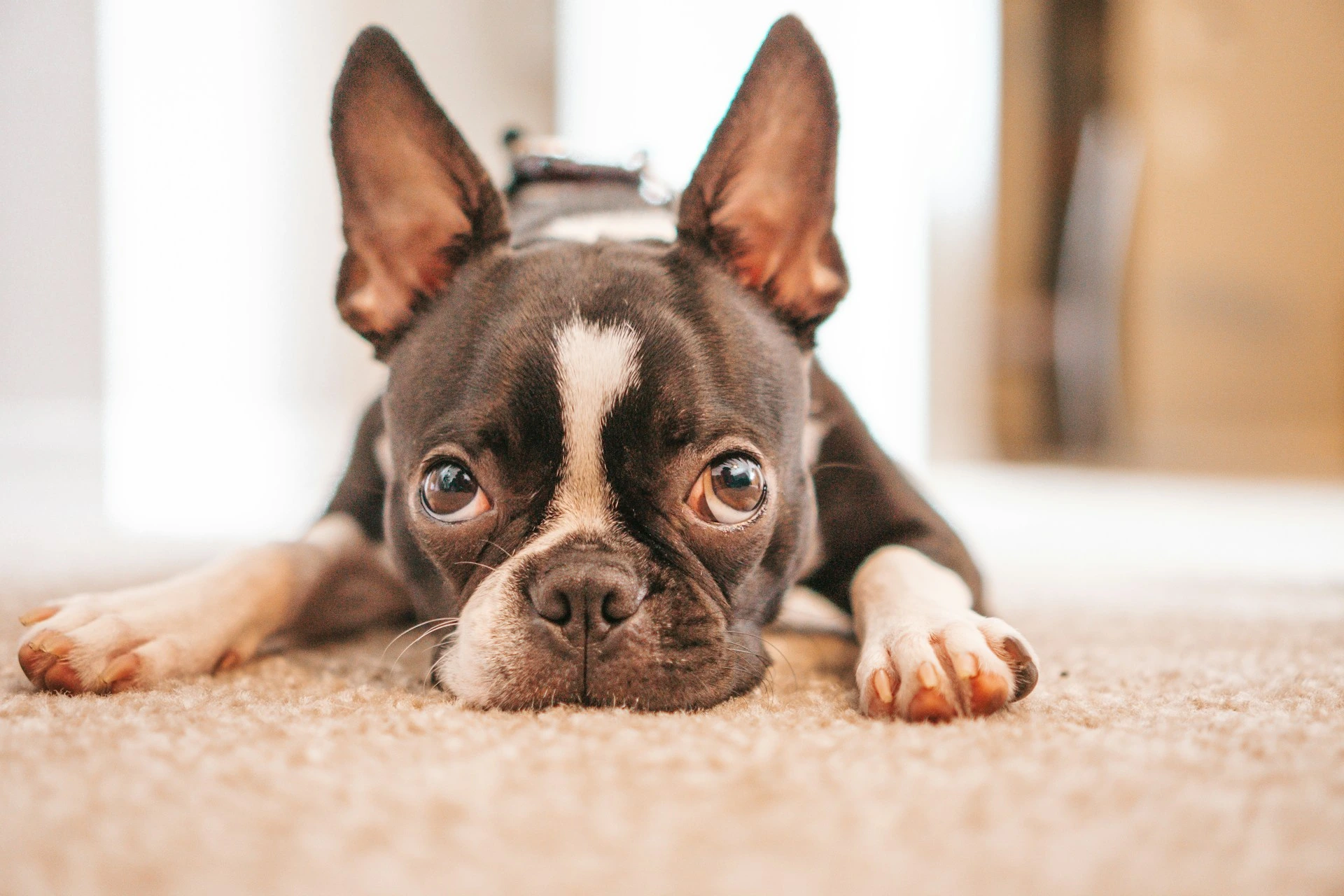
Does your dog tremble, hide, or pace when a loud sound booms outside? At Family Pet Hospital here in Springville, UT, we meet many concerned pet parents from Springville, Mapleton, Spanish Fork, Utah Valley, and Utah County who see their four-legged pals struggle during storms, fireworks, construction noise, or other unexpected sounds. Learning reliable dog anxiety tips can make these moments much easier for your pooch and help you create a calmer, more reassuring home environment.
In this guide, you will learn practical strategies on how to calm an anxious dog, how to support effective dog stress relief at home, and how to recognize early signs of noise-related stress in dogs. Every pup reacts a little differently, and these approaches give you multiple ways to comfort your canine buddy while helping them feel safe, confident, and understood.
Why Loud Noises Cause Anxiety in Dogs in Springville, UT
Dogs experience the world differently than humans, and sudden loud noises can feel startling or even threatening. Whether it is fireworks echoing through Springville, thunder rolling over Mapleton, or unexpected construction noise in Spanish Fork, loud sounds can disrupt your pup’s sense of security. Many dogs rely on predictable routines to feel comfortable, so when the environment suddenly becomes loud or chaotic, their natural instincts tell them that something might be wrong.
Canines have more sensitive hearing than people, which means they detect frequencies and volumes that escape human ears. This heightened sensitivity can make noises such as fireworks or thunder feel overwhelming. Fido may interpret these sounds as danger, even when the noise is harmless. Understanding why these sounds bother your pooch helps you respond with more patience and compassion when they begin showing signs of stress.
Interestingly, noise-related stress in dogs is extremely common. Some studies estimate that more than half of all dogs experience increased anxiety during fireworks or storms. Knowing this helps reassure you that your canine friend is not behaving strangely. They are simply responding to their environment the only way they know how.
Recognizing the Signs of Noise-Related Stress in Dogs
Dogs show anxiety in many different ways. Recognizing the signs early helps you intervene gently and effectively before the stress escalates.
Some dogs hide under beds, behind furniture, or in bathrooms. Others may try to cling to you, pant excessively, whine, tremble, pace, or drool. You may also notice pinned ears, a tucked tail, or frantic attempts to escape the noise. Some dogs may even try to wedge themselves into small spaces because it feels safer.
It is important to observe your dog during quieter moments as well. When you know what your canine buddy looks like when relaxed, it becomes much easier to spot the early signs of anxiety before they intensify.
Understanding your pup’s specific stress signals gives you a better chance of supporting them with calm reassurance. It also allows you to adjust your home environment in ways that promote comfort and emotional stability.
How to Calm an Anxious Dog During Loud Noises
Helping a stressed dog involves patience, kindness, and consistency. Loud noises often trigger your dog’s fight-or-flight response, so your goal is to make your environment feel secure during overwhelming moments.
Create a Safe and Quiet Retreat
One of the most effective forms of dog stress relief at home is creating a comfortable space where your pooch can retreat. Many dogs instinctively seek out enclosed areas when they feel anxious. A crate with a blanket draped over it, a quiet bedroom, or a cozy corner can provide that feeling of shelter your canine companion needs during loud events.zx
Soft bedding, a familiar blanket, or an item with your scent can help Fido feel grounded. Dogs associate their safe places with security, so providing a designated refuge gives them a sense of control during unsettling events.
Use Reassuring Sounds to Reduce the Impact of Noise
Soft background noise can help mask sudden loud sounds. Gentle music, white noise, or the sound of a fan can help reduce the intensity of fireworks or thunder. This background noise provides a buffer that makes environmental sounds feel less sharp or alarming.
Over time, your pup may associate these familiar sounds with comfort. This technique is especially helpful in homes near busy neighborhoods, where unpredictable sounds may happen more frequently.
Remain Calm and Provide Steady Reassurance
Dogs often mirror human emotions. When you remain calm, speak softly, and move slowly during noisy events, your pooch learns to interpret the situation as less threatening. A calm environment signals safety.
Because dogs are excellent observers, your steady presence can do more for your canine companion than you may realize. Many dogs take emotional cues from their human family, and seeing you remain relaxed can ease their own reactions.
Avoid Forcing Interaction or Restraining Your Dog
Not all dogs want physical contact during stressful moments. For some pups, forcing interaction can intensify their fear. Allow Fido to choose whether to stay close to you or retreat to their safe space. Respecting their boundaries builds trust and helps them feel more in control.
If your pooch approaches you for comfort, pets, slow strokes, or soft words can be helpful. If your canine buddy prefers to hide, that is also a valid coping mechanism.
Pet MD wrote about thunderstorm anxiety in dogs in this piece. You can learn more about helping your dog cope with anxiety in this article by the Cornell College of Veterinary Medicine.
Environmental Adjustments That Support Dog Stress Relief at Home
Small adjustments to your home environment can greatly reduce noise-related anxiety. Because dogs rely heavily on environmental cues to measure safety, altering their surroundings can provide comfort during loud events.
Minimize Outdoor Noise When Possible
Closing windows and blinds can reduce the volume of outside sounds. Heavy curtains, rugs, or blankets can help absorb noise and create a quieter environment. Even simple steps like closing interior doors or turning on soft indoor sounds can help muffle noises that would otherwise cause alarm.
If your home faces busy streets or open areas where noise travels easily, creating more sound barriers can help Fido feel more secure.
Maintain a Consistent Routine
Dogs thrive on predictability. Keeping mealtimes, walks, playtime, and bedtime consistent helps stabilize your dog’s emotional environment. Even during loud events, keeping your routine steady sends the message that everything is still okay.
For example, if thunderstorms are forecasted, maintaining your usual nighttime routine can help normalize the environment. When your dog trusts the consistency of your home, they feel less threatened by unpredictable noises outside.
Support Natural Behaviors That Reduce Stress
Natural canine behaviors such as chewing, sniffing, hiding, or resting help reduce anxiety. Offering safe chew items or gentle mental stimulation, like slow scent games, can keep your pup busy without overwhelming them. These activities promote calmness and help redirect nervous energy.
Give your canine pal opportunities to self-soothe during loud noises. Allowing your dog to express natural instincts creates stability, even during unpredictable noise events.
Helping Your Dog Through Fireworks, Storms, and Household Noise
Seasonal celebrations and weather events can cause spikes in noise levels. Fireworks during holidays, construction around neighborhoods, and seasonal storms are all common triggers in Springville, Spanish Fork, and Utah Valley.
Before these events begin, preparing a quiet room or gathering comforting blankets can help you stay ahead of the noise. Turning on a television at low volume or playing soft music can soften the impact of sudden sounds. Closing windows before a storm or fireworks display begins keeps your pup from being startled unexpectedly.
Planning ahead for holidays or known noisy periods helps your dog approach these events with greater confidence. Awareness and preparation are essential parts of managing noise-related stress in dogs.
Building Long-Term Resilience to Noise
Supporting your pooch during noisy events is important, but helping them develop long-term coping skills provides deeper emotional resilience. Exposing your dog gradually to low-volume noise recordings during calm periods can help build familiarity. When paired with positive experiences, these sounds become less intimidating.
Start with very low volume that does not cause a reaction, and pair the sound with praise or calm attention. Over time, this helps Fido form neutral or even pleasant associations with previously scary sounds.
Mental enrichment also strengthens confidence. Activities like training sessions, new tricks, puzzle feeders, sniff-based games, and regular exercise help reduce anxiety. A confident dog often handles stress more effectively and becomes more adaptable during loud or unpredictable events.
Frequently Asked Questions About Dog Anxiety During Loud Noises
Why does my dog get scared during loud noises?
Dogs have sensitive hearing and instinctively react to sudden sounds. Loud noises can feel unpredictable or threatening, triggering their natural desire to hide or escape.
What are the signs of noise-related stress in dogs?
Panting, pacing, trembling, whining, hiding, dilated pupils, drooling, and clinginess are common stress signals.
How can I calm my dog during fireworks or storms?
Creating a quiet retreat, offering gentle background noise, staying calm yourself, and letting your dog control their level of interaction can all help.
Should I comfort or ignore my anxious dog?
Comforting your dog calmly is fine. Avoid overwhelming them. Allow them to approach you if they seek reassurance.
Can dogs become more resilient to noise over time?
Yes. With gradual exposure, positive reinforcement, and consistent emotional support, many dogs improve.
Visit Our Springville, UT Veterinarians for Dog Anxiety Support
If you are searching for a trustworthy vet near me or reliable veterinarians in Springville, UT, Family Pet Hospital is here to support you and your canine companion. These dog anxiety tips can help you manage stressful moments, but every pup is unique. Personalized care from our veterinary clinic can help you understand exactly what your four-legged buddy needs to stay calm during storms, fireworks, or other loud events. Whether you live in Springville, Mapleton, Spanish Fork, Utah Valley, or anywhere in Utah County, our animal hospital is ready to help.
Schedule an appointment with our veterinary team today and let us support your dog’s emotional wellness throughout the year.
This blog is for informational purposes only. Always consult your veterinarian for personalized advice, diagnosis, or treatment recommendations tailored to your dog’s needs.
Want to learn more about our pet clinic and the services we offer? You can stop by our main Services page here for an overview. You can also check out our Wellness & Vaccinations info page here, or our Nutrition & Weight Management options here.