

If you share your home with more than one kitty, you may have experienced at least one litter box standoff; those mysterious moments when one feline companion seems to guard the box, refuse to share, or leave a surprising statement outside the litter area. At Family Pet Hospital, your trusted veterinary clinic in Springville, UT, we frequently help cat parents from Springville, Mapleton, Spanish Fork, Utah Valley, and across Utah County keep the peace in multi-cat households.
Cats are complex, sensitive creatures. Even the friendliest of our feline pals have personal preferences, emotional reactions, and territorial instincts. When multiple cats share a home, litter box conflicts can arise quickly. But with the right strategies, gentle adjustments, and thoughtful support, you can restore cat household harmony, reduce stress, and create an environment that encourages cooperation. This guide will walk you through the root causes of conflicts, how to choose the right litter box setup, and what you can do to start solving litter box issues with confidence.
Why Litter Box Conflicts Happen in Multi-Cat Homes
Litter box issues rarely come out of nowhere. They’re usually rooted in emotional or environmental stress, competition, health concerns, or resource sharing. Cats are territorial animals, and the litter box is one of the most sensitive resources they share. Even if your feline companions seem to get along well in other areas, the litter box can become a subtle battleground. Many kitties just don’t like sharing bathrooms.
Several factors may contribute to preventing litter box disputes:
- One cat may intimidate the others, even without physical aggression.
- A shy or timid cat may feel unsafe using a box that another cat frequently guards.
- Changes in the household can make some cats insecure.
- Litter box placement may unintentionally cause territorial stress.
- Some cats simply prefer privacy and resent interruptions.
Understanding the emotional and environmental triggers helps you respond with solutions that create balance and reduce tension.
Recognizing Litter Box Conflicts Between Cats
Cats rarely express conflict in obvious ways. Instead, they communicate through subtle body language, avoidance, or changes in routine. Paying attention to these early signs helps prevent conflicts from escalating.
Look for:
- One cat blocking another from accessing the box
- Stalking or ambushing near the litter box
- A cat refusing to use a shared box
- Accidents outside the litter box
- Urinating in hidden places
- Using only certain boxes and avoiding others
- Increased tension in the household
Your feline friend may try to avoid conflict by holding urine or stool, which can lead to medical issues. Recognizing early signs helps you intervene quickly to support every cat’s comfort and confidence.
How to Use Multi-Cat Litter Box Tips to Reduce Stress
Litter box peace begins with understanding feline needs. With a mix of practical adjustments and emotional support, you can dramatically reduce stress in your home.
Use the 1+1 Rule for Litter Boxes
A good rule of thumb is one box per cat plus one extra. If you have two cats, aim for three boxes. This prevents competition and gives your feline pals multiple options. Even if certain cats don’t mind sharing, accessibility reduces anxiety and helps each kitty feel more secure.
Place Boxes in Separate, Accessible Areas
Location is everything. Placing litter boxes too close together can make a timid cat feel cornered or trapped. Instead, spread out boxes across your home, ideally in quiet, low-traffic areas where your feline companion feels safe.
Avoid placing boxes near loud appliances, tight corners, or areas where one cat can easily block access.
Offer Both Covered and Uncovered Options
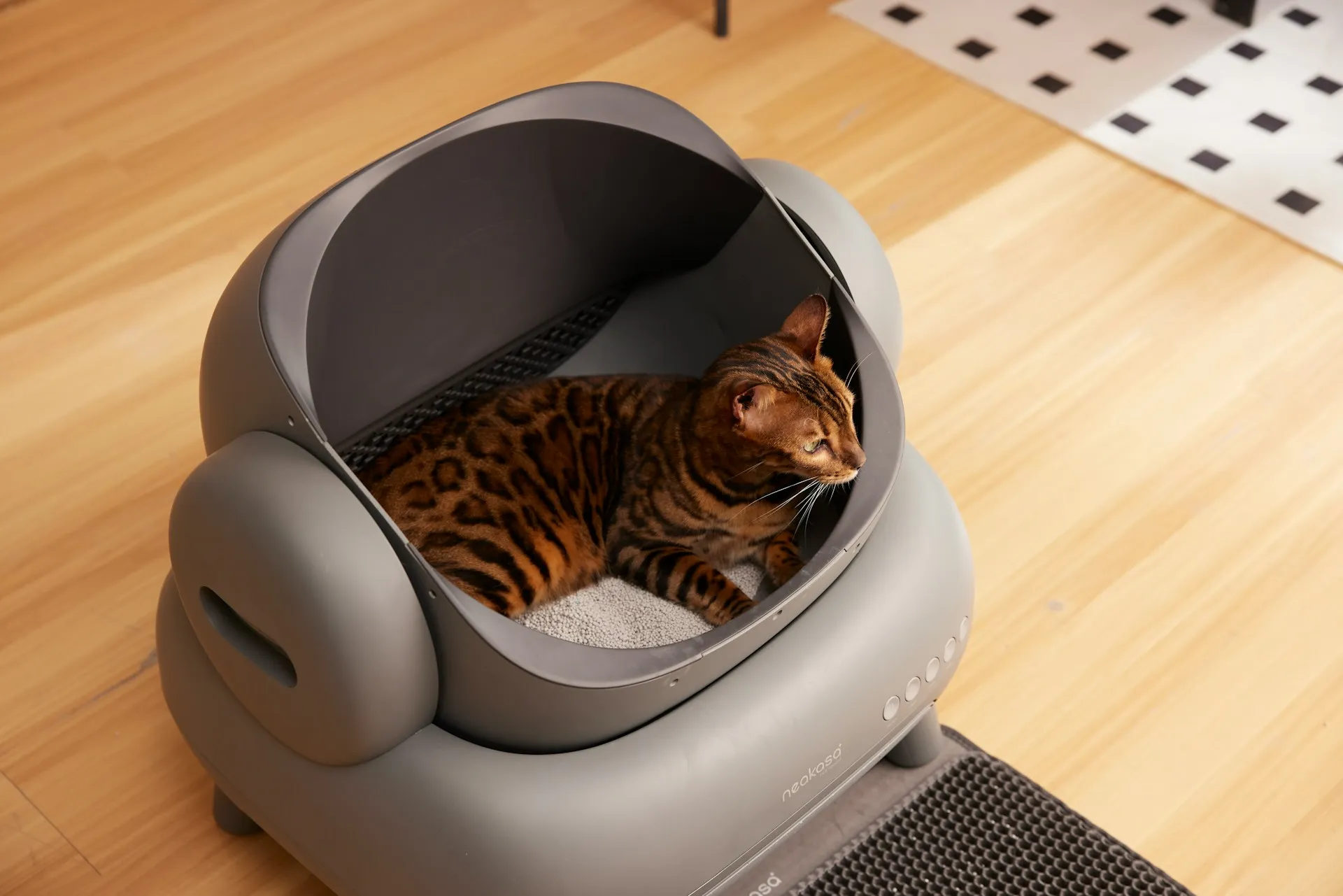
Some cats prefer privacy, while others prefer open spaces where they can observe surroundings. Offering both options helps reduce stress and gives each kitty the ability to choose what feels most comfortable for them.
Keep Litter Boxes Clean and Fresh
Cats are meticulous. They often avoid dirty boxes and may refuse to share if another cat leaves odors behind. Scooping daily—and cleaning boxes thoroughly each week—helps prevent territorial marking and encourages consistent use.
Clean boxes are one of the simplest ways of solving litter box issues before they escalate.
Supporting Cat Household Harmony Through Routine and Environment
A calm, stable home environment is essential for preventing disputes in multi-cat homes. Cats may appear independent, but they deeply value predictable routines and safe spaces.
Provide Individual Safe Zones
Every cat should have access to private resting places, whether it’s a cozy nook, a cat tree perch, or a quiet room. These safe zones reduce overall stress and help shy or timid cats feel more confident.
Offer Vertical Space and Observation Points
Cats feel safer when they can observe from above. Kitties don’t have a very good view from ground level! Cat shelves, trees, or window perches help reduce conflict by giving each feline friend their own elevated territory.
When cats feel confident and secure, litter box stress often decreases.
Use Multiple Feeding Areas
Feeding areas often influence litter box behavior. If one cat monopolizes food resources, the other may feel insecure or intimidated, which spills over into litter box use. Offering separate feeding stations supports overall balance.
Identifying and Addressing Territorial Behaviors
Territorial stress is one of the most common reasons for litter box conflict. Cats express territory through scent, body language, and behavior.
Watch for Subtle Blocking Behaviors
A cat may sit near the box, stare at another cat, or position themselves in a doorway. These behaviors can look innocent but create major stress for timid cats.
Observe Patterns Throughout the Day
Some conflicts occur at night, when the home is quieter. Others happen when family members are busy and less attentive.
Understanding patterns helps you adapt your home to support harmony.
Provide Multiple Paths to Each Box
Placing litter boxes in areas where your kitty can enter and exit from more than one direction prevents a dominant cat from easily blocking access.
Reducing Stress in Cats to Prevent Litter Box Disputes
Reducing stress helps your cats feel safe using the litter box without fearing conflict.
Maintain Predictable Daily Routines
Cats thrive on routine. Consistent feeding times, playtimes, and quiet hours help regulate your feline companions’ emotions.
Use Gentle Play to Release Excess Energy
Energetic or anxious cats may behave territorially around the litter box. Daily structured play helps release stress and reduce competitive instincts.
Offer Scent Comfort
Cats feel safer in spaces that smell familiar. Leaving soft blankets, toys, or bedding with your feline friend’s scent near boxes can reduce anxiety.
Scent swapping can be as simple as sharing blankets or toys between cats. This helps your feline pals get used to each others’ scents. It may also help build tolerance and acceptance.
Solving Destructive Cat Habits Linked to Litter Box Stress
Destructive behaviors like scratching furniture, marking walls, or aggressive play may indirectly relate to litter box stress. When a cat feels insecure, their tension emerges in different ways.
Supporting emotional confidence through enrichment, routine, and positive reinforcement can reduce these habits naturally.
Avoid Punishment
Punishment increases fear and tension. Cats don’t understand punishment, so your pet may not understand why you’re upset. Instead, redirect your cats to appropriate behaviors and support their emotional wellness.
Reward Calm Behavior
Gentle praise, treats, or affection during calm interactions reinforce positive habits and reduce unnecessary stress.
When Medical Issues Affect Litter Box Behavior
Sometimes litter box problems come from physical discomfort rather than emotional conflict. Urinary tract infections, arthritis, digestive upset, or other medical concerns can make the litter box painful or difficult to use.
If your feline companion strains, vocalizes, avoids the box entirely, or urinates in unusual places, a medical exam is essential. These things can be signs of health problems, some of which can be very serious. Your veterinarians at Family Pet Hospital can help determine whether a health factor contributes to the behavior.
Purina has a good piece on litterboxes, which you can read here. You can find out more about the do’s and don’ts of litterbox setups at the ASPCA website here.
Frequently Asked Questions About Litter Box Conflicts
Why do my cats fight near the litter box?
Territorial stress, insecurity, or access issues are common causes.
How many litter boxes should I have for two cats?
Three boxes—one for each cat plus one extra.
Where should I place litter boxes?
Quiet, open areas with multiple escape routes are ideal. Cats like some privacy while they are doing their business.
Can stress cause litter box problems?
Yes. Stress is one of the leading causes of litter box avoidance.
Do cats ever outgrow litter box conflicts?
With the right strategies, many conflicts improve significantly.
Visit Our Springville, UT Veterinary Clinic for Litter Box Support
If you’re searching for a reliable vet near me or a compassionate veterinary clinic in Springville, UT, Family Pet Hospital is here to support your multi-cat household. These multi-cat litter box tips provide a foundation for creating a calmer, more harmonious space. Whether you live in Springville, Mapleton, Spanish Fork, Utah Valley, or another part of Utah County, our veterinarians can help you identify triggers, explore solutions for solving litter box issues, and create long-term plans for preventing litter box disputes.
Schedule an appointment with our animal hospital today to support your cats’ comfort, confidence, and household harmony.
This blog is intended for informational purposes only. Always consult your veterinarian for personalized advice, diagnosis, or treatment recommendations tailored to your cat’s needs.
Want to learn more about our pet clinic and the services we offer? You can stop by our main Services page here for an overview. You can also check out our Wellness & Vaccinations info page here, or our Nutrition & Weight Management options here.