

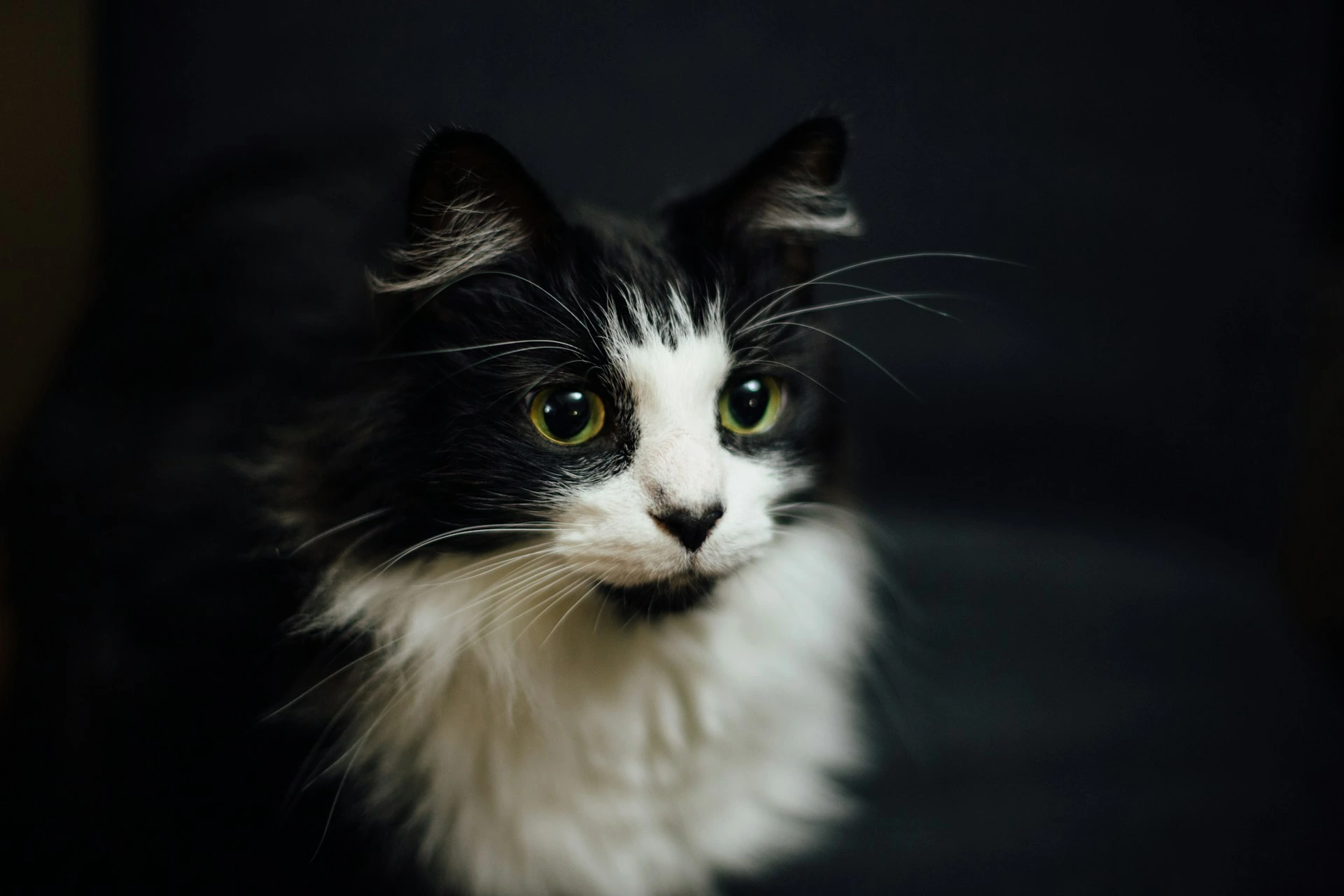
Cats may not speak our language, but they are incredibly expressive creatures. At Family Pet Hospital, your trusted veterinary clinic in Springville, UT, we often help cat owners throughout Springville, Mapleton, Spanish Fork, Utah Valley, and Utah County decode their feline friend’s subtle (and sometimes not so subtle) cues. Learning how to read cat body language helps you strengthen communication, reduce misunderstandings, and build a more confident relationship with your beloved feline companion.
Cats communicate primarily through posture, facial expression, tail movements, ear positions, and vocal cues. When you understand these signals, you gain insight into your kitty’s emotions, needs, and comfort level. In this guide, you’ll learn about understanding cat signals, picking up on valuable cat communication tips, and recognizing essential feline behavior cues. Understanding Fluffy better will help you interact with your four-legged bestie with confidence.
Why Cat Body Language Matters in Everyday Life
Your feline friend expresses their feelings through more than just meows. Every whisker twitch, ear swivel, and tail flick carries meaning. Learning to recognize these patterns helps you avoid overstimulation, build trust and comfort, maintain a calm home environment, and recognize stress or fear early.
It’s always good to understand your cat’s needs more clearly! Many behavior misunderstandings stem from miscommunication. When you can read your kitty’s signals, you respond in ways that make Fluffy feel safer, calmer, and more understood.
Understanding Cat Signals Through Tail Movement
A cat’s tail acts like an emotional antenna, revealing Fluffy’s moods long before the rest of her body does.
Tail Straight Up
This is the friendliest signal your feline pal can offer. A high tail means confidence, happiness, and a desire to interact.
Tail Twitching at the Tip
A quick, excited twitch often means your kitty is curious or stimulated. It may appear when they watch birds or explore something new.
Tail Swishing Back and Forth
This can indicate irritation, frustration, or overstimulation. If Fluffy’s tail begins to whip, it’s usually time for some space. If your pet is feeling frisky, it may also signal an impending pounce.
Tail Tucked Under the Body
This is a sign of fear or discomfort. A tucked tail means your feline friend feels uncertain and needs reassurance.
Cat Communication Tips: Reading Ear and Eye Signals
Cats use their facial features to convey subtle emotional changes. Paying attention to the ears and eyes gives you valuable insight into your kitty’s mood.
Ears Forward
Your kitty is attentive, happy, or curious.
Ears Turned Sideways (“Airplane Ears”)
This may signal anxiety or overstimulation. Your feline pal may be unsure of their surroundings.
Ears Flat Against the Head
This is a sign of fear, agitation, or discomfort.
Soft, Slow Blinking
This is the feline version of “I trust you.” Slow blinking communicates relaxation and affection.
Dilated Pupils
Dilated pupils can mean excitement, fear, surprise, or heightened alertness. Context helps you determine which emotion is present.
Feline Behavior Cues: Understanding Posture and Movement
Your cat’s posture communicates how safe they feel in their environment.
Relaxed Body and Soft Muscles
A calm, loose body means your kitty feels comfortable. They may stretch, roll, or lounge freely.
Arched Back with Raised Fur
This dramatic display usually means fear or defensive excitement. It’s often accompanied by hissing or puffed-up fur.
Crouched Body With Tense Muscles
This signals uncertainty or anxiety. Your feline friend may be preparing to flee if necessary.
Rolling Onto the Back
While this can be a sign of trust, it does not always mean your kitty wants belly rubs. Some cats simply feel relaxed and safe in their space.
How Cats Communicate Through Vocalization
Although body language provides the foundation of communication, vocal cues also play a major role in understanding your feline companion.
Soft Meows
Friendly greetings, requests, or social conversation.
Loud Meowing or Yowling
This may indicate hunger, anxiety, attention-seeking, or confusion, especially in older cats.
Purring
Usually associated with contentment, but it can also occur when cats are nervous or in pain. Context matters.
Hissing or Growling
These are clear signals that your kitty feels uncomfortable, overwhelmed, or threatened.
How Social Signals Affect Multi-Cat Households
Cats use social cues to communicate boundaries and establish relationships. They also have some quite unique ways of going about this.
Scent Marking Through Rubbing
When your feline friend rubs their face on you or objects, they’re marking their territory—and showing affection.
Grooming Each Other
Mutual grooming, or allogrooming, is a sign of trust and bonding in multi-cat homes.
Blocking Access or Staring
A more assertive cat may block hallways, litter boxes, or resting spots. This subtle behavior can signal tension between cats.
Reading these cues helps you support healthier social interactions.
Strengthening Your Bond Through Cat Body Language Awareness
Responding appropriately to your cat’s cues builds trust and confidence.
Acknowledge Your Cat’s Emotions
If your feline pal appears anxious or overstimulated, offer space and calm reassurance rather than forcing interaction.
Use Slow, Calm Movements
Cats interpret fast or unpredictable movements as potential threats. Gentle, steady gestures help your kitty feel safe.
Engage During Invitation Moments
When your kitty approaches you with a raised tail, soft blink, or relaxed posture, it’s a perfect opportunity to bond.
Avoid Overstimulation During Petting
Learn your cat’s threshold. Tail twitching, skin rippling, or sudden head turns may signal that’s enough.
When Body Language Indicates a Health Concern
Sometimes changes in body language reflect physical discomfort. Contact Family Pet Hospital if you notice:
- Sudden hiding
- Decreased grooming
- Increased aggression
- Limping or stiff movement
- Changes in appetite
- Unusual vocalization
- Excessive clinginess or withdrawal
These signs may indicate pain, illness, or emotional distress.
Tuft & Paw did an article on Fluffy’s body language here. There’s a helpful article about Fluffy’s body language on the PetMD website here.
Frequently Asked Questions About Cat Body Language
Why does my cat flick their tail when I pet them?
This often signals overstimulation or mild irritation. In some cases, it may just mean Fluffy is alert.
What does it mean when my cat kneads me?
Kneading is a comfort behavior that reflects relaxation and trust. Think of it as a sign that your feline pal thinks of you as a parent!
Why does my cat stare at me?
It can be curiosity, anticipation, or a sign they want interaction. Then again, cats are going to be cats. Some things we may never figure out entirely!
How can I tell if my cat is anxious?
Watch for things like crouched posture, dilated pupils, tense muscles, or hiding. Anxiety can also affect your pet’s digestion.
Why does my cat roll onto their back?
It typically signals comfort and trust. Just be warned: this is not necessarily an invitation for belly rubs.
Visit Our Springville, UT Veterinary Clinic for Cat Behavior Guidance
If you’re searching for an experienced vet near me or a knowledgeable veterinary clinic in Springville, UT, Family Pet Hospital is here to help! We’re also happy to help you understand your feline companion more deeply. By learning to read cat body language, you build clearer communication and stronger trust. Whether you’re in Springville, Mapleton, Spanish Fork, Utah Valley, or elsewhere in Utah County, our veterinarians can help you interpret understanding cat signals, offer personalized cat communication tips, and identify feline behavior cues that support your cat’s emotional and physical wellness.
Schedule an appointment with our animal hospital today to better understand your cat’s needs and enhance your relationship at home.
This blog is intended for informational purposes only. Always consult your veterinarian for personalized medical or behavioral advice tailored to your cat’s needs.
Want to learn more about our pet clinic and the services we offer? You can stop by our main Services page here for an overview. You can also check out our Wellness & Vaccinations info page here, or our Nutrition & Weight Management options here.