

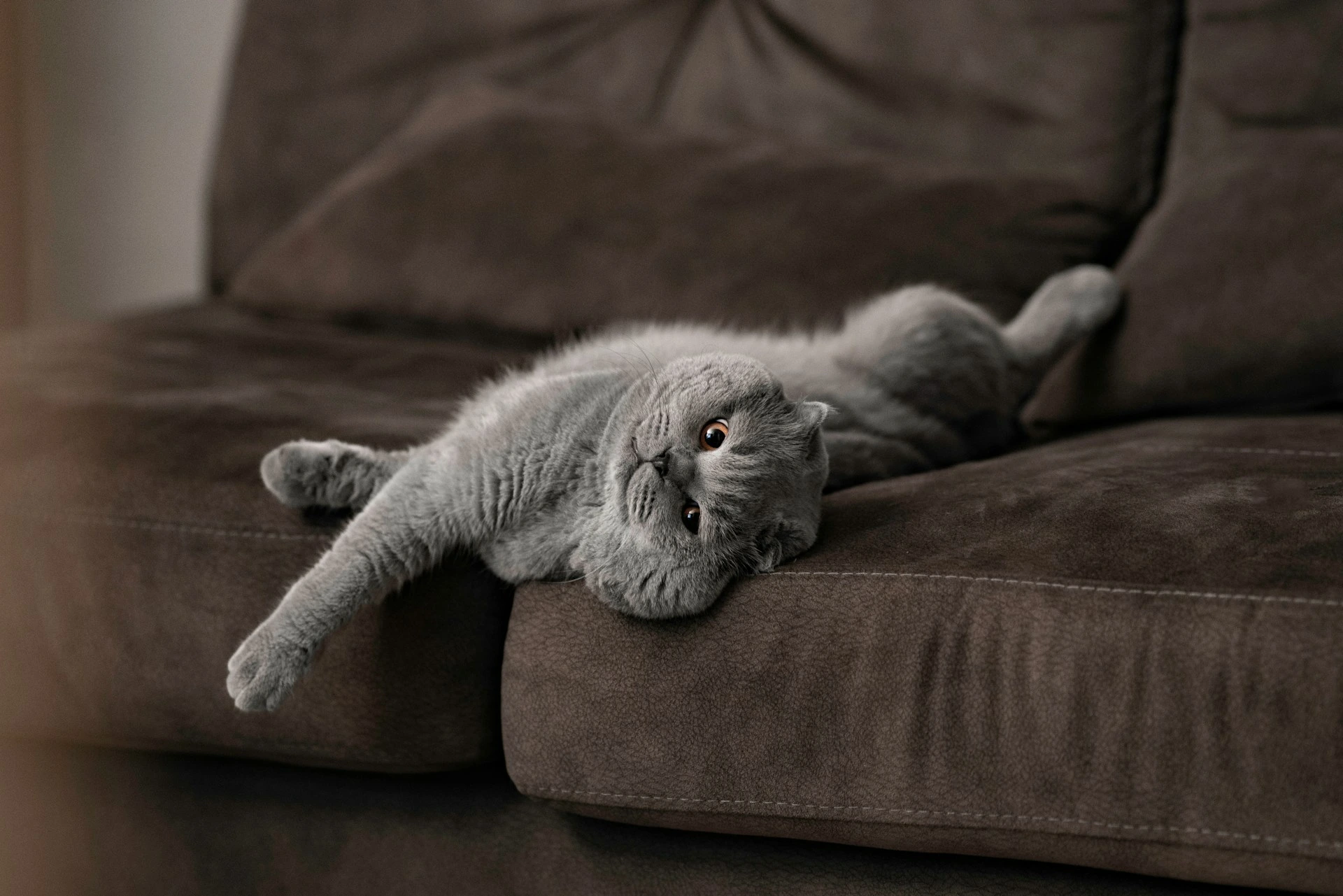
Have you ever watched your cat suddenly bolt across the room, swipe at your ankle, or knock something off a shelf for no obvious reason? At Family Pet Hospital, your trusted animal hospital in Springville, UT, we understand how confusing feline behavior can be. Pet owners from Springville, Mapleton, Spanish Fork, Utah Valley, and across Utah County often ask why their feline friend sometimes behaves unpredictably. With the right cat behavior tips, you can understand these cute but purrplexing quirks and learn how to gently redirect your kitty toward more positive habits.
Cats are mysterious creatures with big personalities. Your feline pal may seem calm and content one minute, only to switch into mischief mode moments later. In this guide, you will learn how to recognize the root causes of unwanted actions, how to redirect bad cat habits, and how to apply effective cat behavior guidance strategies to build harmony in your home. These strategies help you understand your feline overlord a little better and give you the tools to start solving unwanted cat behavior problems with patience and confidence.
Why Cats Act Out: Understanding Your Kitty’s Natural Instincts
Cats are instinct-driven animals. Their behaviors—both the charming and the challenging—often trace back to natural survival needs, communication signals, and built-in routines. When you understand why your feline friend behaves the way they do, it becomes much easier to redirect those tendencies in healthy ways.
Your kitty may act out due to boredom, frustration, anxiety, or overstimulation. A lack of outlets for natural instincts such as scratching, hunting, climbing, or exploring can also be a factor. Some misbehavior stems from miscommunication. What looks like defiance may actually be your feline companion’s attempt to tell you something.
Another important factor to remember is that cats are extremely sensitive to environmental changes. Small shifts in routine, household noise, furniture placement, outdoor activity, or even your mood can influence your kitty’s behavior. Being aware of these triggers helps you recognize when your feline friend might need extra reassurance or structure.
PetMD has an article on feline anxiety here.You can also read more about kitty aggression at PetMD here.
Common Reasons Your Kitty Acts Out at Home
To redirect a behavior, it helps to understand why it developed in the first place. While every cat is unique, some common causes tend to show up across the feline kingdom.
Boredom or Lack of Enrichment
Cats need mental and physical stimulation. When Fluffy doesn’t get enough opportunities to play, explore, or express their natural instincts, they may find their own “entertainment.” Unfortunately, that can mean zoomies at midnight, scratching furniture, or knocking over household objects.
Boredom also leads to attention-seeking behaviors. Your feline pal may swat at your legs, meow loudly, or pounce on passing feet simply out of a need for interaction.
Redirected Frustration or Aggression
Sometimes your kitty may become overstimulated or frustrated by something outside of their control, such as a strange cat outside the window or a sudden noise. When they cannot access the source of their frustration, they may redirect that tension toward another pet or even toward you. This behavior is confusing to many cat owners but is a normal feline response to heightened stress.
Stress and Anxiety
Cats crave predictability. Household changes, new people, new pets, loud environments, or unfamiliar scents can cause anxiety. Your feline companion might hide, overgroom, hiss, or swat when stressed. Stress-linked behaviors are often misunderstood as “acting out,” but they are your kitty’s way of coping with discomfort.
Territorial or Social Communication
Your feline overlord may use behaviors such as scratching, spraying, or vocalizing to reinforce their territory or communicate social boundaries. These actions are not meant to frustrate you. They’re simply part of how cats express themselves to other animals and their human family.
How to Start Redirecting Bad Cat Habits Safely and Gently
Redirecting unwanted feline behavior is not about punishment. Instead, it focuses on teaching your kitty what to do, not just what to avoid. Cats respond best to calm, patient guidance that helps them feel secure and understood.
Encourage Natural Hunting and Play Behaviors
Interactive play sessions help release pent-up energy. Toys that mimic prey encourage your kitty to pounce, leap, chase, and swat safely. This form of exercise also reduces nighttime zoomies and improves your cat’s overall emotional health.
If your feline friend likes to swat your ankles or ambush you from behind furniture, redirecting bad cat habits with structured play helps satisfy their natural instincts without encouraging rough behavior.
Offer Healthy Scratching Alternatives
Scratching is essential for cats. It stretches their muscles, sharpens claws, and leaves scent markers. If Fluffy is scratching furniture, guiding them toward a scratching post or pad is far more effective than trying to stop the behavior entirely.
Place scratching posts near areas your cat already scratches. When your kitty uses the post, praise them softly or offer gentle affection. This positive reinforcement helps build long-lasting habits.
Set Up Vertical and Horizontal Exploration Spaces
Cats love to jump, climb, perch, and observe. If your feline companion doesn’t have designated climbing spaces, they may resort to counters or unstable surfaces. Providing cat towers, window perches, or safe shelves encourages exploration without creating chaos in your home.
These spaces also build confidence, especially for cats who share their home with other pets.
Create Predictable Routines
Cats feel more secure when life feels predictable. Try to keep playtime, feeding, grooming, and bedtime relatively consistent. Predictable routines help reduce anxiety and discourage stress-fueled behaviors. This is an important part of cat behavior guidance, especially for young or highly sensitive cats.
Avoid Punishment and Scolding
Punishment damages trust and rarely stops unwanted behavior. Instead, it can increase stress and make behaviors worse. Cats do not understand punishment the way humans do. They respond to positive reinforcement, redirection, and clear environmental cues.
Your feline friend learns fastest when you guide them patiently and compassionately.
How to Handle Solving Unwanted Cat Behavior at Home
Addressing feline behavior effectively requires a combination of empathy, environmental adjustments, and guidance. Solving unwanted cat behavior comes down to understanding what needs the behavior fulfills and then providing a healthier outlet.
Redirect Attention-Seeking Behaviors
If your kitty claws at furniture or knocks items off tables to get your attention, ignore the behavior when possible and redirect them to something positive. When your kitty chooses an appropriate behavior—like sitting calmly or using a scratching post—reward them with gentle praise.
Prevent Overstimulation
Some cats become overwhelmed by too much petting or activity. Fluffy will probably just walk away when she’s had enough, but you may want to watch for signs such as tail flicking, skin twitching, or sudden growling. Respecting your feline pal’s boundaries helps prevent swats or bites that occur during overstimulated moments.
Manage Anxiety with Safe Spaces
A quiet hideaway gives your cat a refuge when stress is high. This can be a covered bed, a cozy blanket in a corner, or a quiet room where your kitty feels safe. Cats rely heavily on their environment to feel secure. Supporting this helps reduce stress and lessen unwanted behaviors.
Understanding Communication: What Your Cat Is Trying to Tell You
Cats communicate with their posture, tail, ears, eyes, and vocalizations. Learning how to interpret these cues helps you respond more accurately to your feline companion’s needs.
A twitching tail may signal irritation, though sometimes if your pet is just flicking the end of her tail it may mean she’s feeling curious or frisky. Slow blinking signals trust. Flattened ears can suggest fear or overstimulation. By paying attention to these subtle signs, you can intervene early and redirect behavior before it escalates.
Your feline overlord may also express emotions through vocalizations. Chirps, trills, meows, and yowls can indicate excitement, confusion, or the desire for attention. Responding with calm energy and structure supports your kitty’s confidence and reduces miscommunication.
How Environment Affects Feline Behavior
Your home environment plays a major role in your feline pal’s behavior. Cats rely on sensory cues to feel safe. Noise levels, scents, activity patterns, and routine changes can all influence how your cat behaves.
Creating a comfortable environment includes offering cozy resting spots, providing multiple hiding places, and maintaining a stable routine. When your kitty feels safe in their surroundings, unwanted behaviors often decrease naturally.
Environmental rotation is also an effective tool. Rotating toys, rearranging play areas, or offering new climbing options helps prevent boredom and supports healthier habits.
When Unwanted Behavior Signals a Medical Issue
Sometimes behavior changes indicate discomfort, pain, or underlying medical issues. Cats may hide more often, vocalize excessively, stop using the litter box, or behave aggressively when they do not feel well. If you notice sudden or severe changes in behavior, contacting your veterinarians at Family Pet Hospital is an important step.
Your cat cannot tell you when they feel unwell, so staying attentive to unusual changes helps you respond appropriately. Early intervention is often the key to resolving both medical issues and the behavioral concerns they may cause.
Frequently Asked Questions About Redirecting Cat Behavior
Why does my cat act out all of a sudden?
Sudden behavior changes may be triggered by stress, fear, boredom, environmental disruptions, or medical conditions.
How can I stop my cat from scratching furniture?
Provide alternative scratching posts and place them near areas your kitty already scratches. Reinforce good choices with calm praise.
Is my cat being mean on purpose?
No. What appears as meanness is usually communication, fear, or stress. Your pet may also be cranky if she isn’t feeling well. Cats act based on instinct, not revenge.
That said, some kitties are just naturally a bit grumpy. Look for changes in your pet’s baseline behavior.
Why does my cat attack my feet?
Pent-up energy or hunting instincts can lead cats to target moving objects. Structured play helps redirect this.
Can bad cat habits really be fixed?
Absolutely. With patience, consistency, and the right cat behavior tips, many unwanted behaviors can be significantly reduced or eliminated.
Visit Our Springville, UT Veterinary Clinic for Cat Behavior Guidance
If you’ve been searching for a helpful vet near me or a reliable veterinary clinic in Springville, UT, Family Pet Hospital is here to support your feline friend’s behavioral and emotional needs. Whether you’re working on redirecting bad cat habits, improving litter box routines, or solving unwanted cat behavior, our veterinarians are ready to help. We proudly serve cat owners throughout Springville, Mapleton, Spanish Fork, Utah Valley, and Utah County with compassionate care tailored to your kitty’s unique personality.
Schedule an appointment with our veterinary clinic today to help your feline companion feel calmer, happier, and more understood.
This blog is intended for informational purposes only. Always consult your veterinarian for personalized advice, diagnosis, and recommendations tailored to your cat’s needs.
Want to learn more about our pet clinic and the services we offer? You can stop by our main Services page here for an overview. You can also check out our Wellness & Vaccinations info page here, or our Nutrition & Weight Management options here.