

Family Pet Hospital
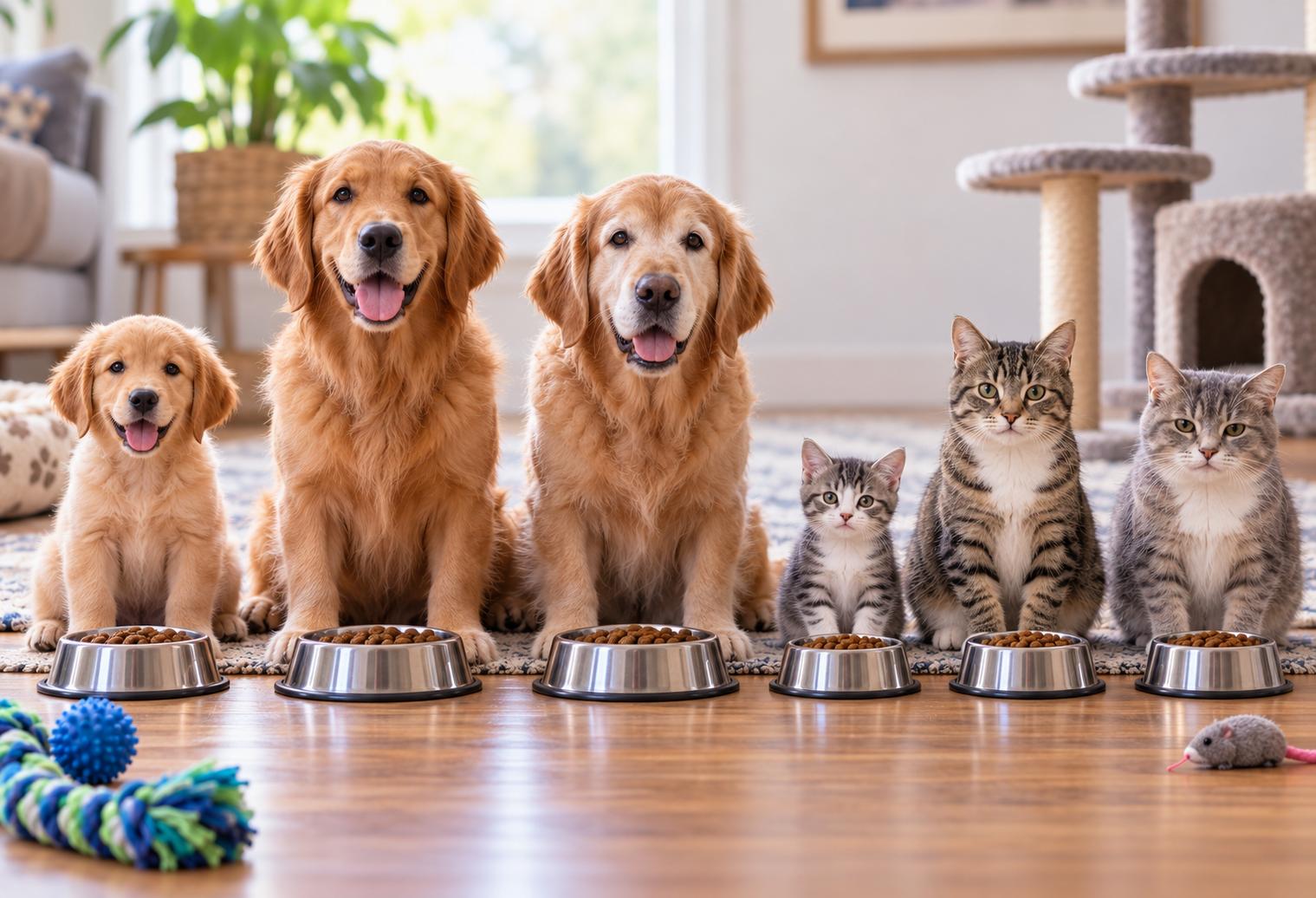
The amount of food that worked perfectly for your dog at age two may be too much at age eight. The same is true for a cat who once raced through the house every night but now prefers a warm window and a long nap. Pets change throughout life, yet their feeding routines often stay frozen in time.
At Family Pet Hospital, healthy weight is part of lifelong wellness care for dogs and cats in Mapleton, Springville, and surrounding Utah communities. Small weight gains are easy to overlook, but on a pet’s smaller frame they can represent a meaningful change. The best time to respond is often before a pet looks dramatically overweight.
The Puppy Portion Is Not Forever
Growing puppies and kittens need energy for development, and young adults may burn calories through constant activity. As pets mature, their needs can change. Spaying or neutering, changes in exercise, aging, injury, and medical conditions can all affect the calorie equation.
This is why feeding should be reviewed throughout life rather than treated as a permanent formula. If the scoop has stayed exactly the same for years while your pet’s lifestyle has changed, it may be time to reassess.
Bring the exact food name and daily amount to a wellness visit. Your veterinarian can look at body condition, age, activity, and health to help determine whether the current portion still makes sense.
Learn the Difference Between Weight and Body Condition
A scale tells you how heavy a pet is. It does not tell you how much of that weight is muscle or body fat.
At home, gently feel along the ribs. In many healthy-weight dogs and cats, the ribs are easy to identify beneath a light covering. Look from above for a waist behind the rib cage. From the side, check for an abdomen that rises toward the hind legs.
Long coats can hide a changing shape, so use your hands as well as your eyes. A veterinary body condition score provides a more standardized assessment and can be paired with a muscle condition evaluation, especially for senior pets.
Middle Age Is Where the Creep Often Begins
The change can be surprisingly quiet. A dog still goes for walks, but they are shorter. A cat still plays, but only for a few minutes. Weekend adventures become less frequent. Meanwhile, breakfast, dinner, and treats continue arriving in the same amounts.
That small mismatch repeated every day can gradually add pounds.
Instead of waiting for a major change, weigh your pet periodically and pay attention to fit. A harness that needs loosening, ribs that become harder to feel, or a disappearing waist can all signal that it is time to review the routine.
Utah Seasons Change Activity
Mapleton and Springville pets may have active months and quieter months. Snow, ice, heat, shorter daylight hours, and family schedules can change outdoor exercise.
Create indoor alternatives before you need them. Dogs can practice training cues, search for hidden toys, work for measured kibble in puzzle feeders, or play short games in a safe space. Cats can chase wand toys, climb, explore tunnels, and hunt for small portions of their meal.
Several short activity sessions can be easier to maintain than one ambitious workout. For overweight or senior pets, gradual movement is also kinder to joints.
Treats Need to Grow Up Too
A tiny training treat for a puppy can become a large daily habit when the dog is older and less active. Dental chews, table food, pill pockets, and food toppers also contribute calories.
Try putting the entire day’s treat allowance into one container. Everyone in the family feeds from that supply. Break larger treats into smaller pieces or use part of the regular meal for rewards.
Food is only one way to show affection. Play, brushing, attention, and favorite activities can become rewards too.
Senior Pets Need a More Thoughtful Goal
Older pets can present a special challenge because they may gain fat while losing muscle. Simply making the number on the scale smaller is not enough. The goal is an appropriate body condition while preserving strength and nutrition.
If an older dog is slowing down, consider whether pain may be involved. Arthritis and other mobility problems can reduce activity, which can contribute to weight gain. Cats may show discomfort by jumping less, grooming differently, or choosing lower resting spots.
A veterinary exam can help determine whether a change in activity is behavioral, weight-related, or connected to an underlying health problem.
Weight Loss Should Be Gradual
If your pet needs to lose weight, avoid dramatic food cuts. Your veterinarian can recommend an appropriate calorie target and may suggest a weight-management diet that provides balanced nutrition at a lower calorie level.
Cats require particular caution. Rapid weight loss or prolonged refusal to eat can lead to hepatic lipidosis, a serious liver condition. Weight loss for cats should be controlled and monitored.
Regular rechecks help show whether the plan is working. As weight changes, calorie needs may change too.
Let the Bowl Change With the Pet
Healthy weight management is not one diet followed forever. It is a routine that evolves with your pet.
Family Pet Hospital provides wellness care and nutrition and weight-management services for pets in Mapleton, Springville, and surrounding areas. If your dog or cat has entered a new life stage, changed activity levels, or slowly gained weight, ask whether the food bowl should change too. A small adjustment at the right time can help protect comfortable movement and healthy years ahead.
Make the Recheck Part of the Life Stage
Whenever your pet reaches a milestone, make weight one of the questions you revisit. First birthday, adult wellness exam, senior transition, recovery from surgery, or a major change in household routine are all useful checkpoints. Ask whether the calorie target, food type, or activity plan should change. This prevents nutrition from becoming an old habit that no longer fits the pet standing in front of you. A five-minute conversation during routine preventive care can sometimes prevent months or years of gradual weight gain.