

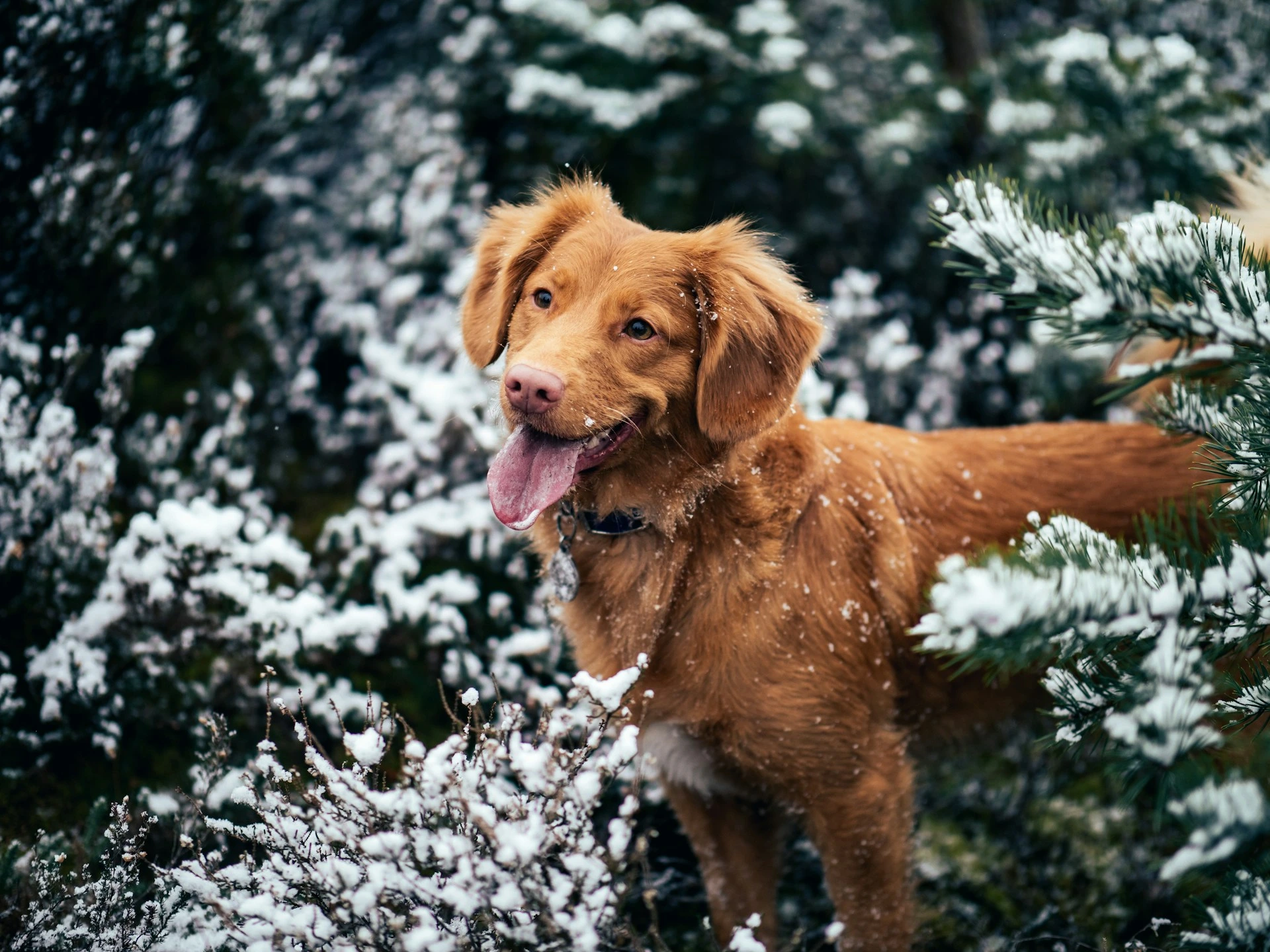
Our canine companions are great buddies. Fido loves exploring trails, running across open fields, or joining us on everyday adventures. All that activity can affect your pet’s skin and paws. At Family Pet Hospital, your neighborhood veterinary clinic in Springville, UT, we help dog owners from Springville, Mapleton, Spanish Fork, Utah Valley, and throughout Utah County protect their canine companions’ furry feet.
Your canine buddy relies on their paws to navigate the world. Whether Fido hikes rugged trails, takes long walks, or simply plays, daily attention to their paws can help prevent irritation, dryness, cracking, and discomfort. In this guide, you’ll learn everyday practical advice for protecting dog paws outdoors, so your four-legged friend can stay active and comfortable year-round.
Why Skin and Paw Care Matters for Active Dogs in Springville, UT
Dogs use their paws and skin constantly during outdoor activities, and Utah’s seasonal weather shifts can create extra challenges. Summertime heat, winter ice, spring allergens, and autumn winds can all affect your pup’s comfort. Rough terrain, sharp rocks, dry grass, and salted sidewalks can wear down even the toughest paws.
Because of these environmental factors, maintaining dog skin and paw care isn’t just about appearance; it’s about health, mobility, and daily comfort. Dogs often hide discomfort until irritation becomes more noticeable. Daily routines help you catch small issues before they turn into painful problems.
Your active dog depends on you to maintain these habits, which is why establishing a consistent care routine is one of the best ways to support long-term wellness.
Understanding Your Dog’s Skin and Paw Needs
Your dog’s skin is their largest organ, and their paws act as shock absorbers, traction providers, and environmental sensors. Both need attention, especially if your pup lives an active lifestyle.
High-energy dogs are often exposed to environmental factors that can irritate their skin or damage their paws. These factors include dry air, rough surfaces, allergens, dirt, moisture, hot pavement, and cold weather. Even playful romps in the yard can expose your canine friend to minor irritants or abrasions.
Being proactive helps you stay ahead of issues before they affect mobility or comfort.
Everyday Paw Care for Dogs With Active Lifestyles
Paw care is essential for dogs who love the outdoors. Their paws take the brunt of physical movement and environmental exposure.
Check Paws After Every Outing
After walks, hikes, or backyard playtime, take a moment to examine your pup’s paws. Look for debris, small rocks, burrs, or stuck grass seeds between the toes. These hidden irritants can cause discomfort or inflammation.
If your dog loves exploring trails around Springville or Spanish Fork, this simple inspection becomes an important part of everyday paw care for dogs.
Keep Paw Pads Clean and Dry
Moisture can create ideal environments for irritation. Dry paws thoroughly after walking on wet surfaces, snow, or dewy grass. Clean paws after muddy play sessions to remove dirt and potential irritants.
Salted sidewalks during winter in Utah County can also cause dryness or burning sensations. Wiping paws after each walk protects the skin and prevents residue from spreading inside your home.
Trim Fur Between Paw Pads
Long fur between the paw pads can trap ice, snow, or debris. Trimming it carefully helps maintain comfort and prevents slipping on smooth indoor surfaces.
Monitor for Cracks, Redness, or Swelling
Early signs of irritation include redness, dry patches, or small cracks in the paw pads. If you notice your canine buddy licking their paws more than usual, that can also signal discomfort.
Catching changes early helps prevent bigger issues later.
Protecting Dog Paws Outdoors in Every Season
Outdoor surfaces change drastically from season to season in Springville, Mapleton, and Utah Valley. Being mindful of these shifts helps you keep Fido’s paws protected.
Hot Pavement in Summer
Summers in Utah can make pavement extremely hot. If the pavement feels too warm to touch with the back of your hand, it’s too hot for your pup’s paws. Burns can occur quickly and can be painful.
Opt for shaded paths, grassy areas, and cooler morning or evening walks. Fido’s feet will also be delicate after he’s been swimming, so take extra care if he’s just getting out of the water.
Rough Terrain and Hiking Trails
Active dogs who enjoy hiking need extra paw attention. Rocks, gravel, desert terrain, and uneven ground can cause abrasions. Regular conditioning, rest breaks, and post-hike paw checks help your canine companion stay comfortable.
Snow, Ice, and Salt in Winter
Snow and ice can cling between the toes, while sidewalk salt can dry or irritate paw pads. Shorter walks, frequent checks, and gentle paw cleaning after outings help maintain comfort during winter months.
Seasonal Allergens in Spring and Fall
Allergens such as grasses, weeds, and pollen can stick to your pup’s paws. If your dog licks or chews their feet excessively during certain seasons, environmental allergens may play a role.
Healthy Dog Skin Tips for Everyday Comfort
Your dog’s skin protects them from environmental factors, regulates body temperature, and supports overall wellness. Daily habits help preserve skin health and reduce irritation.
Brush Regularly to Remove Dirt and Loose Fur
Brushing not only removes loose hair but also stimulates circulation and spreads natural oils throughout the coat. This supports healthy skin and reduces dryness. Dogs who spend time outdoors often collect dirt, leaves, and pollen on their coat, making brushing even more important.
Check for Irritated or Dry Areas
If your pup plays in wooded areas or thick grasses, checking for ticks or burrs becomes especially important.
Monitor for Seasonal Skin Changes
Dry winter air in Utah Valley can cause flakiness or itchiness. Summer heat may lead to hotspots or moisture-related irritation. Keeping your pet on the correct bathing schedule for his coat and fur type is crucial.
Maintain a Balanced Diet
Skin reflects internal health. Dogs who receive balanced nutrition often have shinier coats, less irritation, and healthier skin. Year-round nutrition plays a role in your dog’s overall comfort.
Bathing Tips for Active Dogs
Bathing helps remove dirt, allergens, and bacteria while supporting healthy skin. However, bathing too frequently can strip natural oils and cause dryness.
Choose an Appropriate Bathing Schedule
Most active dogs benefit from periodic baths, depending on how often they get dirty. Dogs who hike or play outdoors frequently may need more regular cleaning, while indoor dogs may require fewer baths.
Rinse After Outdoor Adventures
Even if you don’t perform a full bath, rinsing your pup after hikes or vigorous play helps remove dirt and reduces irritation.
Dry Thoroughly After Bathing
Make sure your pup is fully dry after bathing. Moisture left on the coat or skin can lead to discomfort or odor.
Read more about bathing Fido at the Purina website here. Chewy also has a great article on dog baths here.
Special Paw Care Considerations for Active Dogs
Paw pads need time to condition, especially for dogs new to exercise or hiking.
Gradual Conditioning for Outdoor Activity
If your pup is new to long walks or trail excursions, increasing activity slowly helps toughen paw pads without causing soreness. Just like people, dogs need time to adjust to new activity levels.
Use Paw Balm
Balms and waxes will help protect your furry pal’s skin. You can use coconut oil or Vaseline in a pinch.
Avoid Overuse Fatigue
Too much activity too quickly can lead to irritation. Pay attention to your dog’s gait, interest level, and willingness to continue walking. Rest periods help prevent overuse injuries.
Skin and Paw Issues That May Need Veterinary Attention
Most everyday skin and paw concerns are manageable at home, but some issues need professional guidance.
When to Contact Your Veterinarian
Reach out to Family Pet Hospital if you notice:
- Persistent licking or chewing of paws
- Bleeding, swelling, or deep cracks
- Limping or reluctance to walk
- Bald patches or significant hair loss
- Visible wounds, thorns, or embedded objects
Your veterinarian can evaluate the cause and recommend personalized support.
Supporting Skin and Paw Health Through Seasonal Changes
Seasonal shifts can create unique challenges for active dogs, especially in areas where weather conditions change often.
Warm Weather Adjustments
Focus on hydration, shade, and safe walking surfaces. Avoid hot pavement and prioritize grassy paths.
Cold Weather Adjustments
Shorter, more frequent outings help keep your canine buddy comfortable. Pay close attention to snow, ice, and salt.
Allergy Season Adjustments
Wiping paws after outdoor time helps reduce seasonal irritation. Brushing more often helps remove allergens from the coat.
Frequently Asked Questions About Dog Skin and Paw Care
How often should I check my dog’s paws?
Daily checks are ideal for active dogs, especially after walks or hikes. Teach Fido he’ll get a yummy snack for handing you his foot!
Why is my dog licking their paws so much?
Irritation, allergies, or foreign objects may be contributing.
How can I protect my dog’s paws in winter?
Limit exposure, keep paws clean, trim fur between toes, and pay attention to salt or ice.
What are signs of skin irritation?
Redness, flaking, scratching, odor, or increased licking.
Do all active dogs need special skin care?
Yes. Outdoor activity increases exposure to irritants, debris, and environmental changes.
Visit Our Springville, UT Veterinarians for Skin and Paw Care
If you’re searching for a helpful vet near me or a trusted veterinary clinic in Springville, UT, Family Pet Hospital is here to support your dog’s comfort and wellness. These dog skin and paw care tips give you a strong foundation, but every pup has unique needs. Whether you live in Springville, Mapleton, Spanish Fork, Utah Valley, or another area in Utah County, our veterinarians can help you customize the right plan for everyday paw care for dogs, healthy dog skin tips, and protecting dog paws outdoors.
Schedule an appointment with our animal hospital today to support your dog’s skin, paws, and overall well-being through every season.
This blog is intended for informational purposes only. Always consult your veterinarian for personalized guidance, diagnosis, or treatment recommendations tailored to your dog’s needs.
Want to learn more about our pet clinic and the services we offer? You can stop by our main Services page here for an overview. You can also check out our Wellness & Vaccinations info page here, or our Nutrition & Weight Management options here.