

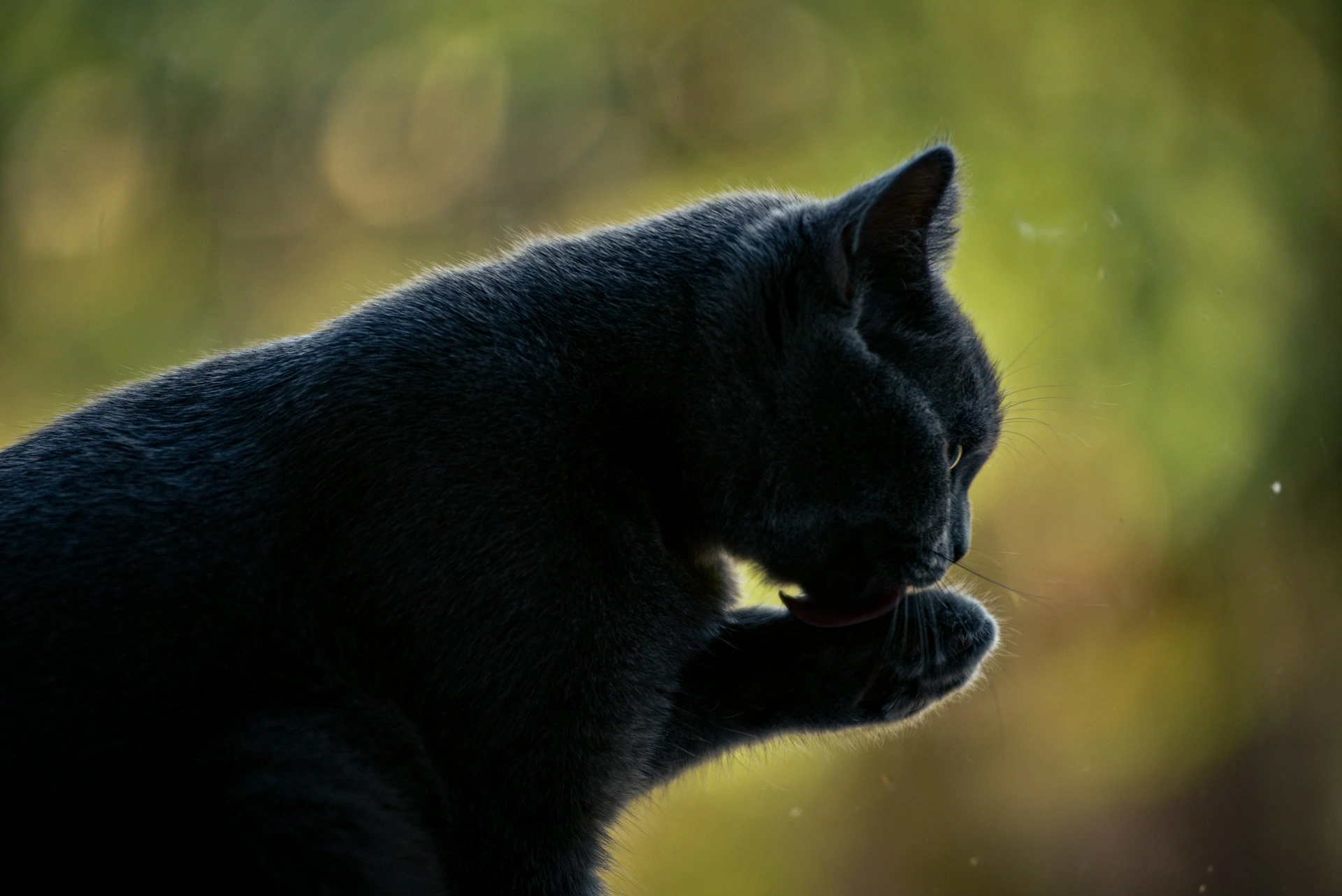
Have you noticed your kitty licking the same spot over and over until her fur gets thin or her skin looks irritated? At Family Pet Hospital, your local veterinary clinic in Springville, UT, we help cat owners from Springville, Mapleton, Spanish Fork, Utah Valley, and across Utah County understand why over-grooming happens and how to reduce it. Many of our feline companions over-groom when they feel stressed, uncomfortable, or overwhelmed. With the right guidance and thoughtful care, you can support your feline friend through these challenges using effective cat over-grooming solutions designed to restore comfort and emotional well-being.
Over-grooming can be frustrating to witness because it may seem difficult to understand. However, once you recognize the triggers and causes behind stress-related grooming in cats, you’ll be able to guide your kitty toward healthier habits. In this blog, you’ll learn gentle calming techniques for cats, how to support emotional balance, and how to identify early cat self-grooming issues before they escalate into medical or behavioral concerns.
Why Cats Over-Groom: Understanding the Root Causes
Grooming is a normal, healthy feline behavior that serves several purposes. It keeps your kitty clean, regulates her body temperature, reduces odors, and distributes natural oils. But when grooming becomes excessive, it usually signals that your feline companion is trying to manage stress, discomfort, or confusion.
Sometimes over-grooming is related to environmental changes such as new pets, loud noises, new furniture, or shifting routines. Other times, it may be linked to physical discomfort like allergies, dry skin, fleas, or sensitivities. Cats may also over-groom when they experience anxiety, boredom, or emotional tension.
Your feline pal may use grooming as a self-soothing mechanism when overwhelmed. Understanding this helps you approach the behavior with compassion instead of frustration. With supportive guidance, most cats improve significantly over time.
Recognizing Stress-Related Grooming in Cats
You might see your kitty licking one side more than the other or spending longer than usual grooming after meals or playtime. As the behavior becomes more frequent, fur may thin on the belly, legs, or tail. Some cats even groom to the point of creating bald patches or irritated skin.
Other signs of stress-related grooming in cats include occasional self-biting, sudden dashes during grooming sessions, restlessness, or disruptions in daily habits. Cats rarely show stress directly, so these grooming changes help you understand that something is influencing your feline friend’s comfort.
Understanding early warning signs helps you respond before over-grooming becomes severe.
How Stress Influences Cat Self-Grooming Issues
Cats experience stress differently than humans. They may become overwhelmed by noise, fast movement, unfamiliar scents, or changes in routine. Because they cannot express discomfort verbally, they rely on body language and habits to communicate.
Over-grooming is often a form of emotional self-soothing. Your feline companion may be trying to regain control, create predictability, or relieve tension. Grooming sends calming signals to a cat’s nervous system. However, when it becomes excessive, the response indicates deeper emotional needs that require attention.
In multi-cat homes or busy households, overstimulation or social tension may trigger over-grooming. Giving your kitty a stable, predictable routine supports emotional balance and reduces grooming issues.
Creating a Calming Environment for Your Cat
Cats thrive in calm, predictable spaces with opportunities to retreat when needed. One of the most effective cat over-grooming solutions is increasing environmental comfort.
Offer Safe, Quiet Resting Spaces
Shy, anxious, or overstimulated cats often hide when they feel overwhelmed. Creating safe areas with soft bedding, enclosed hideouts, and quiet corners helps your kitty feel secure. These spaces are especially helpful during busy periods, loud household activity, or visits from guests.
Soft blankets, cozy boxes, cat trees, or low-traffic rooms are ideal choices. When your feline pal knows they have safe places to retreat, anxiety and grooming frequency often decrease naturally.
Maintain Predictable Household Routines
Cats feel safer when they understand what to expect each day. Mealtime, playtime, quiet hours, and bedtime help structure your kitty’s environment. Routine builds emotional resilience and reduces daily stress.
When life feels predictable, your feline friend has fewer reasons to over-groom for comfort.
Reduce Noisy or Stressful Triggers
Loud noises, chaotic activity, and unpredictable events can overwhelm your feline companion. Minimizing noise where possible and offering quiet alternatives gives your kitty time to decompress.
Keeping blinds partially closed during busy outdoor times or moving your kitty to a quiet room during vacuuming or repairs helps maintain calm.
Using Calming Techniques for Cats to Reduce Over-Grooming
Gentle, consistent calming techniques help redirect your kitty’s behavior and offer emotional stability.
Slow, Gentle Interaction
Cats respond well to calm voices, slow movements, and gentle touching, but only if and when they initiate contact. Sitting quietly near your kitty, speaking in soothing tones, or offering slow blinks helps build trust and reduce stress. Offering treats can help too.
Avoid forcing interaction. Let your feline friend’s comfort level guide physical contact.
Engage in Structured Play
Interactive play sessions help redirect grooming energy toward healthier outlets. Wand toys, feather toys, and soft rolling toys allow Fluffy to practice hunting instincts safely. These sessions reduce anxiety and build confidence.
A calm cat with mental and physical stimulation is less likely to over-groom.
Offer Enrichment Activities
Puzzle feeders, scent games, window perches, and rotating toys keep your cat mentally stimulated and reduce boredom. Boredom often triggers cat self-grooming issues, so structured enrichment supports healthier habits.
Addressing Social and Environmental Stress in Multi-Cat Homes
If you have more than one cat at home, social tension can create stress that leads to over-grooming. Understanding your cats’ unique relationships helps you reduce conflict and support emotional balance.
Provide Multiple Resources
Cats need their own spaces for food, water, litter boxes, and resting spots. Conflicts arise when resources are scarce or too close together. Offering separate areas gives each of your feline pals a sense of privacy and reduces competition. If you get a cat tower, get one with enough shelves to fit all of your pets at once.
Observe Social Dynamics
Paying attention to Fluffy’s body language helps you identify subtle tension. One kitty may consistently block access to resources or monopolize attention. Redirecting these behaviors with positive reinforcement and environmental changes helps promote harmony.
Reducing conflict reduces stress—which often leads to reduced over-grooming.
Physical Factors That Contribute to Over-Grooming
While emotional triggers are common, physical factors can also cause over-grooming. Allergies, fleas, dry skin, food sensitivities, and discomfort may lead your kitty to lick excessively.
If grooming becomes focused on a single location, such as the belly, legs, or tail, contacting your veterinarian is an important step. This helps rule out medical causes and guides you toward effective cat over-grooming solutions.
In some cases, cats groom excessively due to pain, especially if the discomfort affects joints, skin, or digestive health. Your veterinarians at Family Pet Hospital can help identify any underlying issues.
Supporting Your Cat’s Emotional Wellness Through Environmental Enrichment
Enrichment is a powerful tool for redirecting excess grooming energy. Cats express their natural instincts through exploring, climbing, scratching, and observing. Offering outlets for these instincts reduces anxiety.
Encourage Climbing and Perching
Cats feel safer when they can observe their surroundings from above. Cat trees, window shelves, or stable furniture give your feline companion safe vantage points.
Offer Vertical and Horizontal Scratching Options
Scratching helps cats stretch their muscles, reduce stress, and maintain healthy claws. Offering scratching posts helps redirect nervous energy and gives your kitty an outlet for emotional release.
Rotate Toys to Prevent Boredom
Switching out toys periodically helps prevent boredom. Interactive play paired with rotating toys helps keep your kitty mentally sharp and emotionally stable.
How to Respond When Your Cat Over-Grooms
Seeing your kitty over-groom can be upsetting, but how you react matters. Avoid scolding or interrupting the behavior harshly. Instead, focus on gentle redirection and environmental support.
Redirect Attention Calmly
Offer a toy, initiate light play, or guide your cat to a cozy resting spot. Redirection is more effective than discouragement.
Monitor for Patterns
Noting when and where your kitty grooms excessively helps highlight triggers. This information assists your veterinarians in offering targeted cat over-grooming solutions.
Seek Veterinary Support When Needed
If over-grooming persists or worsens, your kitty may benefit from professional guidance. Family Pet Hospital can help determine whether stress, allergies, or medical concerns play a role.
PetMD has a piece on stress in cats, which you can read here. Learn more about bonding with a cat at the PetMD website here.
Frequently Asked Questions About Reducing Cat Over-Grooming
Why does my cat lick the same spot repeatedly?
This can indicate stress, pain, or irritation. Identifying environmental or physical triggers helps guide treatment.
Can stress cause over-grooming?
Yes. One of the most common causes of excessive grooming is stress or anxiety.
How do I help my cat feel more relaxed at home?
Predictable routines, safe spaces, enrichment, and gentle socialization help reduce stress.
Is over-grooming always a behavioral problem?
No. Medical issues often contribute. A veterinary exam helps determine the cause.
Will my cat stop over-grooming on their own?
Not usually. Supportive routines, enrichment, and professional guidance help reduce the behavior.
Visit Our Springville, UT Veterinary Clinic for Cat Stress Relief
If you’re searching for a compassionate vet near me or an experienced veterinary clinic in Springville, UT, Family Pet Hospital is here to help your feline friend feel calmer and more comfortable. These cat over-grooming solutions offer a strong starting point, but every cat is unique. Whether you live in Springville, Mapleton, Spanish Fork, Utah Valley, or elsewhere in Utah County, our veterinarians can help you understand triggers, explore calming techniques for cats, and support your feline pal with confidence.
This blog is intended for informational purposes only. Always consult your veterinarian for personalized guidance, diagnosis, or care recommendations tailored to your cat’s needs.
Want to learn more about our pet clinic and the services we offer? You can stop by our main Services page here for an overview. You can also check out our Wellness & Vaccinations info page here, or our Nutrition & Weight Management options here.