

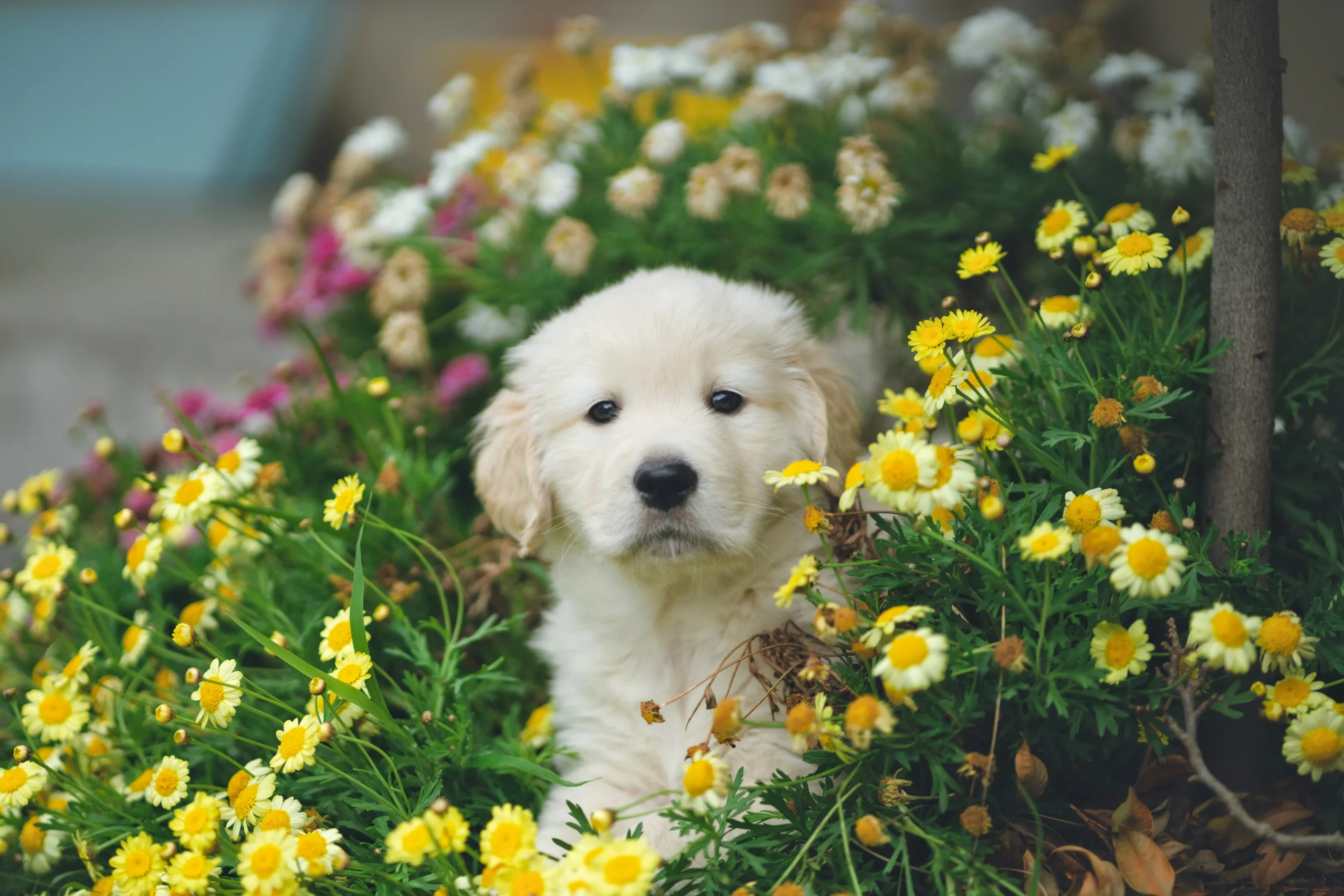
Your garden is your little slice of paradise—a place to unwind, enjoy the fresh air, and admire the beauty of nature. But for your pets, it’s a whole different world. To them, it’s an exciting playground filled with new smells, textures, and, unfortunately, potential dangers. Some of the plants you’ve lovingly grown could be harmful—or even deadly—to your furry friends. Let’s explore how to make your garden a safe and happy space for everyone in your family.
Lilies: A Cat’s Worst Enemy
Lilies may look innocent, but they’re one of the most dangerous plants for cats. Even a small exposure—like brushing against the pollen or nibbling on a single petal—can lead to acute kidney failure. Popular varieties such as Easter lilies, tiger lilies, and Asiatic lilies are especially toxic. If you’re a cat owner, it’s best to avoid lilies altogether and choose safer alternatives.
Other Plants That Could Harm Your Pets
Lilies aren’t the only plants to watch out for. Many common garden favorites can pose serious risks to both cats and dogs. Here are some plants to keep out of your pet’s reach:
- Sago Palm: This tropical plant is highly toxic, especially its seeds. Ingestion can cause vomiting, diarrhea, seizures, and even liver failure.
- Rhododendron and Azalea: These vibrant shrubs contain toxins that can lead to drooling, vomiting, and heart issues.
- Oleander: Every part of this plant is poisonous. Eating it can result in severe vomiting, irregular heart rhythms, and a dangerous drop in body temperature.
- Foxglove: Known for its tall, striking flowers, foxglove contains toxins that can disrupt heart function and cause serious illness.
- Tulips and Hyacinths: The bulbs of these plants are particularly dangerous, causing drooling, vomiting, and diarrhea if dug up and eaten.
- Daffodils: Like tulips, daffodil bulbs are toxic and can lead to severe stomach upset, convulsions, and heart problems.
- Marijuana: With cannabis becoming more common, it’s important to remember that it’s toxic to pets. Symptoms of ingestion include lethargy, vomiting, and loss of coordination.
For a full list of plants to avoid, check out the ASPCA’s Toxic and Non-Toxic Plants Guide.
What to Do If Your Pet Eats a Toxic Plant
If you think your pet has gotten into something they shouldn’t, don’t wait—act fast. Here’s what to do:
- Identify the Plant: If possible, take a photo or bring a sample of the plant your pet may have eaten. This will help your veterinarian determine the best treatment.
- Call for Help: Contact your veterinarian or a pet poison control hotline immediately. Avoid trying home remedies or inducing vomiting without professional advice, as this could make the situation worse.
- Seek Veterinary Care: Be prepared to bring your pet to the clinic for treatment. At Family Pet Hospital, we’re here to provide expert care and support when you need it most.
How to Create a Pet-Safe Garden
The good news? You don’t have to give up on having a beautiful garden to keep your pets safe. Here are some tips to create a pet-friendly outdoor space:
- Research Before You Plant: Always check if a plant is safe for pets before adding it to your garden.
- Use Barriers: Raised planters or fencing can help keep curious pets away from potentially harmful plants.
- Choose Pet-Safe Plants: Opt for non-toxic options like sunflowers, roses, or snapdragons to add color without the risk.
At Family Pet Hospital, we’re dedicated to helping you keep your pets safe, happy, and healthy. If you have questions about toxic plants or need advice on a pet emergency, don’t hesitate to reach out. Together, we can make your garden a safe and joyful space for every member of your family.
Is your cat due for a dental exam or showing signs of oral discomfort? Schedule a dental checkup today and keep that purr powered by a healthy mouth.
Searching for a “vet near me” in Mapleton, UT who offers compassionate cat dental care? Look no further than Family Pet Hospital.