

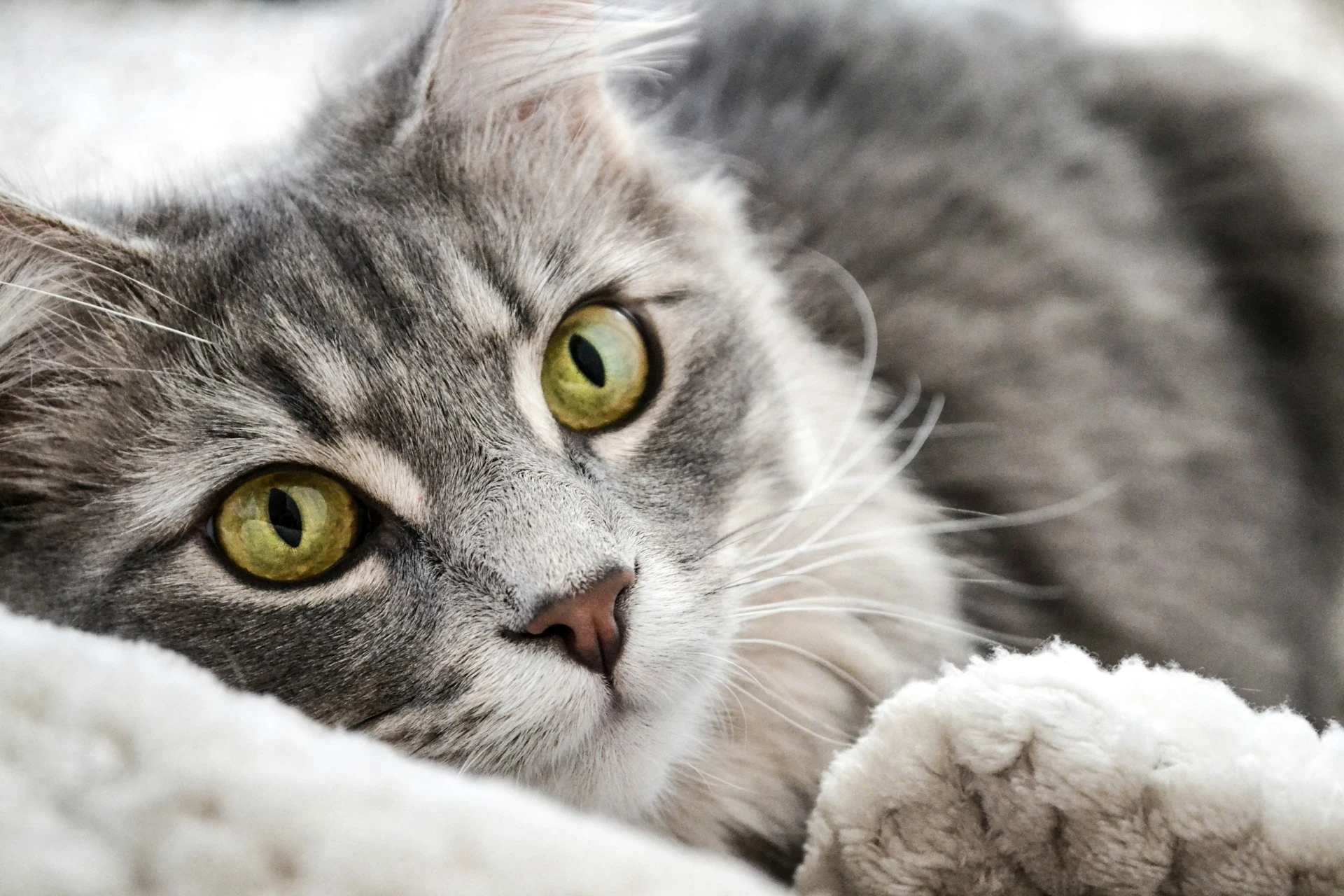
If you’ve ever watched your kitty stretch luxuriously and dig their claws into your favorite couch, you’re joining the ranks of, well, pretty much everyone who has ever been owned by a cat. At Family Pet Hospital, your trusted veterinary clinic in Springville, UT, we help cat owners from Springville, Mapleton, Spanish Fork, Utah Valley, and across Utah County make sense of natural cat scratching behavior and redirect it toward healthier habits. Cats scratch for reasons that go far beyond mischief. It’s instinctive, physical, emotional, and essential for their well-being.
Understanding why your feline friend scratches—and offering cat-friendly alternatives—can transform your home environment and improve your relationship with your kitty. In this guide, you’ll learn the purpose behind scratching, helpful techniques for redirecting scratching in cats, practical healthy scratching alternatives, and gentle methods for solving destructive cat habits without frustration or negative interactions.
Why Cat Scratching Behavior Is Completely Normal
Scratching is one of the many purrplexing natural feline behaviors. Cats scratch for exercise, communication, physical maintenance, emotional release, and stress reduction. They also use it for stretching, marking, and expressing themselves. Your feline pal isn’t scratching to be naughty: she’s simply following built-in instincts that help them stay physically and emotionally balanced.
Fluffy may scratch more during times of excitement, stress, transition, or boredom. Understanding the underlying purpose helps you redirect their energy toward acceptable outlets.
Here’s why cats scratch:
- To stretch and exercise their muscles.
- To remove the outer sheath of their claws.
- To mark territory with scent glands in their paws.
- To relieve stress or nervous energy.
- To express excitement or anticipation.
Cats need scratching the way humans need to stretch, move, and release tension throughout the day.
How Cats Use Scratching to Communicate
Your kitty communicates with you through body language, vocalizations, and actions—including scratching. Scratching leaves both visual and scent markers that help your feline overlord feel secure in their environment. These marks create familiar scent cues that reduce stress and help your cat understand their territory.
Territorial marking is not aggressive. It’s your cat’s way of saying, “This is where I feel safe.” When you offer better scratching options, your feline friend will often choose them, as long as they meet the same emotional and physical needs.
Understanding the Triggers Behind Scratching Habits
Before you begin redirecting scratching in cats, it helps to identify when and why your kitty scratches most.
Common triggers include:
- Excitement when you arrive home.
- Stress during household changes.
- Attention-seeking to prompt interaction.
- Boredom or lack of stimulation.
- Territorial communication, especially in multi-cat homes.
Knowing your kitty’s patterns helps you anticipate behavior and offer healthier outlets.
For example, if Fluffy scratches at the door when you leave, the underlying motivation may be stress or separation anxiety. If your feline pal scratches before mealtime, the behavior may be tied to excitement.
Healthy Scratching Alternatives That Support Your Cat’s Needs
Providing attractive scratching alternatives is one of the most effective strategies. Kitties often prefer specific textures, angles, and locations. Offering options that match your pet’s preferences encourages healthier routines.
Try Different Scratching Surfaces
Cats enjoy variety, so offering multiple textures can help. Common favorites include:
- Sisal fabric or rope
- Corrugated cardboard
- Natural wood
- Rough carpet
Pay attention to what surfaces your feline pal chooses around the home. She’s showing you what she prefers.
Offer Both Vertical and Horizontal Options
Some cats love tall, upright posts for full-body stretches. Others prefer low scratch pads on the floor. Many kitties enjoy both.
Vertical options might include scratching posts, cat trees, or wall-mounted boards. Horizontal scratchers can be placed near resting spots or high-traffic areas.
Place Scratching Areas Where Your Cat Naturally Scratches
Location matters. Cats often scratch near entryways, resting areas, or places where the family gathers. Avoid hiding the scratching post in a distant room your kitty rarely visits.
Put scratching alternatives close to the areas where your cat already scratches, then gradually move them if needed.
How to Redirect Scratching in Cats Without Stress
Redirecting scratching behavior requires patience and positive reinforcement. Cats respond best to calm, predictable guidance rather than punishment or negative reactions.
Guide Your Cat Using Positive Reinforcement
When your feline companion uses a scratching post, offer gentle praise or affection. You can even toss a treat nearby or offer a slow blink to communicate that they made a good choice.
Cats love feeling successful. Reinforcing the right behavior encourages them to repeat it.
Discourage Furniture Scratching Calmly
If your kitty scratches furniture, redirect them gently rather than scolding them. Clap softly, call their name calmly, or guide them to an appropriate scratching area.
Negative reactions may increase stress, which can intensify scratching. Calm redirection works far better.
Use Scent and Texture to Your Advantage
Cats naturally avoid certain textures or scents. You can protect furniture by using temporary coverings, double-sided tape, or lightly textured materials. Meanwhile, apply your cat’s favorite scents—like familiar bedding—near the scratching post to make it more appealing.
Supporting Emotional Wellness to Reduce Problem Scratching
Scratching often increases when cats feel overwhelmed, bored, or unsure of their surroundings. Supporting emotional wellness is a key part of cat scratching behavior management.
Give Your Kitty Safe, Quiet Spaces
Your feline friend may scratch more when they feel stressed. Providing quiet resting spots, hideaways, and elevated perches supports emotional safety. These spaces help your kitty decompress during noisy or unpredictable moments.
Play With Your Cat Daily
Play is essential for maintaining emotional balance. It reduces boredom, prevents pent-up energy, and helps cats express hunting instincts in a healthy way. Wand toys, balls, and interactive play provide stimulation and strengthen your bond.
Establish Predictable Routines
Cats love predictability. Feeding schedules, playtime, and quiet hours help your feline companion feel secure. Lower stress levels often reduce unwanted scratching.
How to Solve Destructive Cat Habits Compassionately
Destructive scratching can feel frustrating, but solving these habits requires compassion and consistency. Your kitty is not acting out of spite; she’s expressing a need.
Avoid Punishment
Punishment can damage trust and heighten stress. Cats learn best when they feel secure and respected.
Redirect Behavior, Don’t Interrupt It Abruptly
If your feline pal begins scratching in an unwanted area, redirect them gently by offering a scratching post. Avoid startling them. Give them a moment to process the redirection.
Celebrate Small Improvements
Every step forward counts. Using the scratching post once, choosing a new texture, or showing curiosity toward new scratching options are meaningful signs of progress.
Environmental Adjustments for Multi-Cat Homes
If you live with multiple cats, scratching habits may relate to social interactions, territory sharing, or routine changes.
Give Each Cat Their Own Resources
Multiple scratching posts and resting areas help reduce conflict. Kitties benefit from having personal territory and multiple safe spaces. You don’t want Fluffy and Mittens fighting over the only bed!
Observe Social Tension
If scratching increases due to interpersonal feline tension, offering more enrichment and separate resources can help restore balance.
Seasonal Scratching Patterns and What They Mean
Cats may scratch more during certain seasons. In winter, dry skin or boredom may increase scratching. In spring and fall, territorial behavior may rise as outdoor scents change.
Monitoring your feline friend’s routines helps you stay ahead of these seasonal changes.
When Cat Scratching Behavior Signals a Medical Issue
Sometimes excessive scratching indicates discomfort rather than behavioral needs. Fleas, allergies, infections, and skin irritation can all lead to increased grooming and scratching.
If your kitty starts scratching more intensely, loses fur, or develops skin lesions, contacting your veterinarians at Family Pet Hospital ensures your cat receives proper care. Identifying medical triggers early helps reduce unnecessary stress and discomfort.
Chewy did an article on why cats scratch, which you can read here. Humane World for animals also has a post on scratching in kitties. Click here for that one.
Frequently Asked Questions About Cat Scratching Behavior
Why does my cat scratch furniture?
Cats scratch to mark territory, stretch, and express emotion. Offering healthy scratching alternatives helps redirect the behavior.
Can I train my cat to stop scratching certain things?
Yes, through gentle redirection, positive reinforcement, and providing attractive alternatives.
Is scratching always behavioral?
Often yes, but sometimes physical irritants or stress can increase scratching.
Do scratching posts really work?
Most cats use scratching posts if they match their preferences for texture, height, and location.
How do I pick the right scratching post?
Offer multiple textures and heights to see what your kitty likes best.
Visit Our Springville, UT Veterinary Clinic for Cat Scratching Support
If you’re searching for a trusted vet near me or an experienced veterinary clinic in Springville, UT, Family Pet Hospital is here to help you support your feline friend’s needs. These cat scratching behavior tips offer a strong foundation, but every kitty is unique. Whether you live in Springville, Mapleton, Spanish Fork, Utah Valley, or elsewhere in Utah County, our veterinarians can help you identify triggers, explore redirecting scratching in cats, and select healthy scratching alternatives that promote a harmonious, cat-friendly home.
Schedule an appointment with our animal hospital today to support your feline companion and encourage positive scratching habits.
This blog is intended for informational purposes only. Always consult your veterinarian for personalized advice, diagnosis, and treatment recommendations for your cat’s needs.
Want to learn more about our pet clinic and the services we offer? You can stop by our main Services page here for an overview. You can also check out our Wellness & Vaccinations info page here, or our Nutrition & Weight Management options here.