

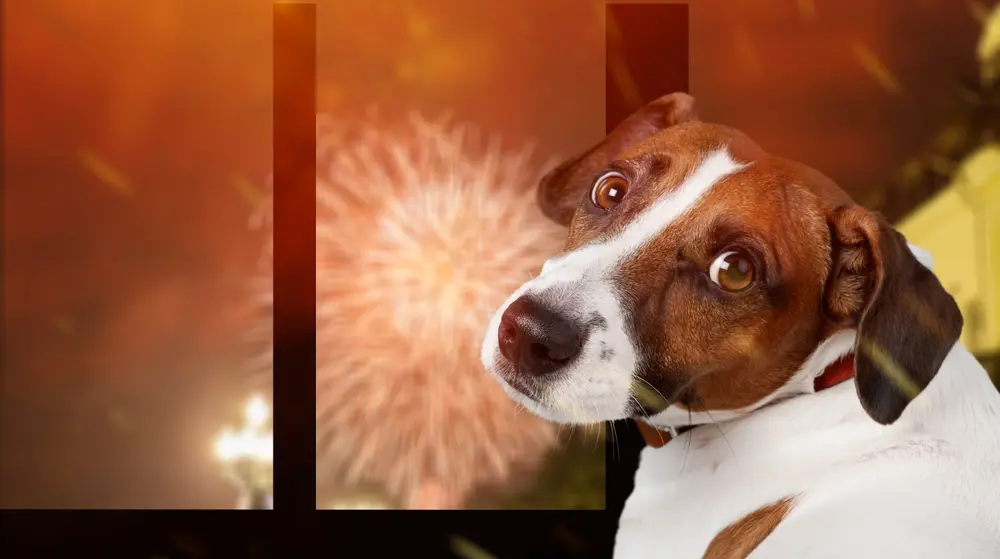
Summer in Mapleton is a season for camping trips, neighborhood barbecues, family reunions, and celebrating holidays with friends. While these traditions are enjoyable for many people, they can be one of the most stressful times of the year for dogs and cats. Fireworks, thunderstorms, and other sudden loud noises often leave pets frightened, confused, and searching for somewhere to hide.
At Family Pet Hospital, we know how heartbreaking it is to watch a beloved pet struggle with anxiety. The good news is that there are many simple steps you can take to help your companion feel safer before the first firework lights up the sky. By preparing ahead of time and recognizing the early signs of stress, you can help your pet navigate the summer months with greater confidence.
Understanding What Your Pet Is Experiencing
Fear of loud noises isn’t a personality flaw, and it isn’t something pets simply “grow out of.”
When a dog or cat hears an unexpected boom, their brain immediately activates a survival response. Stress hormones are released, breathing becomes faster, muscles tense, and the body prepares to escape danger.
Because pets don’t understand the source of fireworks or thunder, they can’t reassure themselves the way people can. To them, the sounds are unpredictable and potentially threatening.
This is why many anxious pets don’t simply appear nervous. They may genuinely believe they need to protect themselves.
Why Some Pets Become More Fearful Each Year
Many pet owners notice that their dog’s reaction to fireworks seems worse than it was the previous summer.
This can happen because fearful experiences create lasting memories. If a pet panics during one fireworks display, they may begin anticipating that same fear during future celebrations.
Without intervention, anxiety may gradually become more severe.
Helping your pet early often leads to better long-term outcomes than waiting until the fear becomes overwhelming.
Common Signs of Noise Anxiety
Not every pet reacts dramatically.
Some show very subtle behavioral changes that are easy to overlook.
Watch for signs such as:
- Panting when they haven’t been active
- Trembling
- Constant pacing
- Restlessness
- Refusing food or treats
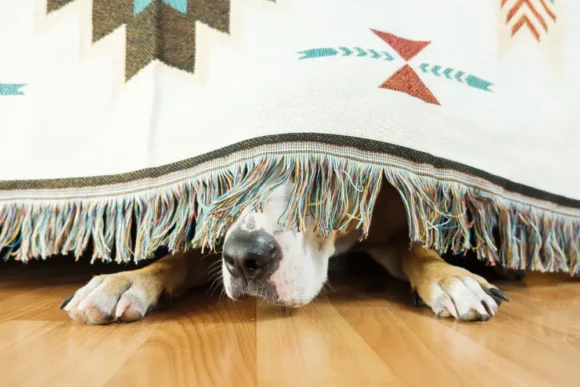
- Hiding under furniture
- Clinging closely to family members
- Barking or whining
- Excessive grooming
- Trying to leave the house
Cats often become quieter than usual, choosing isolated hiding places until they feel safe again.
Knowing how your individual pet responds helps you recognize when they need extra support.
Start Preparing Earlier in the Day
One of the best ways to reduce anxiety is to avoid waiting until fireworks have already started.
Instead, plan your day around the event.
Take your dog for a longer walk or hike during the cooler part of the morning. If your family enjoys exploring nearby trails or parks, this can be a great opportunity to provide healthy exercise before evening arrives.
Play interactive games indoors or outside while it’s still quiet.
A pet that has released physical and mental energy during the day is often better prepared to relax later in the evening.
Give Your Pet a Place to Retreat
Most anxious pets naturally look for somewhere they feel protected.
Create a quiet retreat before fireworks begin.
Choose an interior room away from large windows and outside doors. Add comfortable bedding, favorite toys, fresh water, and perhaps a blanket or sweatshirt carrying your scent.
Some dogs prefer an open crate because it feels secure, while many cats choose closets, bathrooms, or spaces beneath beds.
Allow your pet to come and go freely rather than forcing them into one location.
Reduce Noise Inside Your Home
Although you can’t eliminate fireworks, you can reduce their impact indoors.
Close curtains before sunset to minimize bright flashes.
Turn on soft music, a television, or a fan to help cover sudden booms.
Keeping a calm atmosphere inside your home often helps pets feel more relaxed than sitting in complete silence between fireworks.
If your pet enjoys puzzle feeders or food-stuffed toys, offering one before the noise begins can provide a positive distraction.
Keep Your Pet Safely Indoors
Even the most obedient dog can panic during fireworks.
Every summer, veterinary hospitals and shelters see an increase in lost pets after holiday celebrations.
Protect your companion by:
- Bringing pets indoors before fireworks begin.
- Supervising outdoor bathroom breaks.
- Keeping dogs on a leash after dark.
- Making sure guests close doors securely.
- Checking fences and gates before family gatherings.
These simple precautions significantly reduce the risk of your pet becoming lost.
Don’t Forget About Identification
Preparation isn’t complete without making sure your pet can be identified.
Double-check that:
- Collar tags are easy to read.
- Phone numbers are current.
- Microchip registration has been updated.
- Recent photographs are available if needed.
A registered microchip remains one of the most effective tools for reuniting lost pets with their families.
Comforting Your Pet Is Okay
Some owners worry they’ll reinforce fear by comforting their anxious pet.
Fortunately, that’s a myth.
Fear is an emotional response, not a behavior your pet is choosing.
If your dog wants to lie beside you or your cat seeks reassurance, offer calm affection and speak in a relaxed voice.
At the same time, respect pets that prefer to remain quietly in their safe space.
Every animal copes differently.
When Anxiety Becomes a Medical Concern
For some pets, environmental changes alone aren’t enough.
If your pet has previously:
- Escaped during fireworks
- Injured themselves while trying to hide
- Experienced hours of panic
- Refused food after loud events
- Become increasingly fearful each year
it’s time to schedule a conversation with your veterinarian.
Behavioral training, calming supplements, pheromone therapy, and prescription medications are all available options depending on your pet’s needs.
There’s no reason for your companion to struggle through every holiday when effective treatments exist.
Helping Puppies Build Positive Experiences
If this is your puppy’s first summer, now is an excellent opportunity to establish healthy routines.
Focus on positive experiences, consistent training, and confidence-building activities throughout everyday life.
Avoid forcing young dogs to experience fireworks directly, but continue rewarding calm behavior during normal household sounds and daily activities.
Early experiences often influence how pets respond to stressful situations later in life.
Enjoying Summer Together
Fireworks and thunderstorms may always be part of summer in Utah, but fear doesn’t have to define the season for your pet. A little preparation, a predictable routine, and support from your veterinary team can make a remarkable difference in how your companion handles loud noises.
At Family Pet Hospital, we’re proud to care for pets throughout Mapleton and the surrounding communities at every stage of life. Whether your dog needs help managing fireworks anxiety or your cat becomes frightened during summer storms, our team is here to provide compassionate guidance and personalized solutions.
Together, we can help your pet feel safer, more comfortable, and ready to enjoy everything summer has to offer right alongside the family that loves them.