

You know your pet better than anyone. You know which treats make your dog come running, where your cat likes to nap, and exactly how they behave when they’re hoping for a second dinner. So when something changes, even something small, you usually notice.
Maybe your dog suddenly needs to go outside every hour. Your cat has stopped finishing breakfast. Or you’ve discovered vomit on the floor and have absolutely no idea when it happened.
It’s easy to assume your pet ate something unusual, especially if they’re known for sneaking snacks. But vomiting and diarrhea aren’t always caused by food, and they don’t always mean the same thing.
At Family Pet Hospital in Mapleton, we want pet owners to understand what digestive symptoms can reveal about their pet’s health. From minor stomach irritation to conditions that require immediate treatment, knowing what to look for can help you make confident decisions about your pet’s care.
The Clues Hiding in Your Pet’s Daily Habits
One of the most useful ways to evaluate a sick pet is to think about what has changed in their everyday routine.
For dogs, digestive discomfort might show up as restlessness, frequent requests to go outside, or a sudden lack of interest in food. Some dogs become unusually clingy, while others prefer to be left alone.
Cats may communicate illness differently. A cat who normally greets you in the kitchen might stay upstairs instead. Another may begin hiding, grooming less, or visiting the litter box more frequently.
These changes don’t automatically mean something serious is happening, but they provide valuable context.
Vomiting and diarrhea can result from dietary changes, intestinal parasites, infections, inflammation, medication reactions, and diseases affecting internal organs.
Sometimes, pets develop symptoms after eating something unfamiliar. Other times, the cause has been developing quietly for days or weeks.
That’s why the overall pattern matters more than any single symptom.
What Does Mild Digestive Upset Look Like?
Consider a healthy adult dog who has one soft bowel movement after trying a new treat. They’re still interested in their usual activities, drinking normally, and behaving comfortably.
That may be a situation where brief monitoring at home is reasonable.
A healthy adult cat who vomits once but continues eating, grooming, and acting normally may also be appropriate for short-term observation.
However, monitoring should have clear limits.
Your pet shouldn’t be experiencing repeated episodes, significant discomfort, blood in their vomit or stool, or signs of dehydration.
Keep fresh water available and avoid rich foods, table scraps, or unfamiliar treats.
Don’t give human medications or start home remedies without speaking with your veterinarian. Some common products can be harmful to dogs and cats.
Avoid prolonged fasting, particularly for cats, puppies, kittens, and pets with existing medical conditions.
If your pet stops eating, becomes unusually quiet, or continues having symptoms, contact your veterinary team.
When Does Diarrhea Become Dangerous?
Diarrhea isn’t always just an inconvenience. Frequent watery bowel movements can cause the body to lose substantial amounts of fluid and electrolytes.
As fluid loss continues, pets may become dehydrated.
You might notice sticky gums, reduced urination, sunken eyes, or unusual weakness.
For Mapleton families who enjoy walking their dogs along neighborhood trails or spending time outdoors in Utah County, it’s important to remember that dehydration can occur even when temperatures are cool.
Digestive illness alone can cause significant fluid loss, regardless of the weather.
Diarrhea accompanied by repeated vomiting is especially concerning because your pet may be losing fluids from both ends while struggling to replace them.
Bloody diarrhea, severe lethargy, or signs of abdominal pain should prompt urgent veterinary attention.
The Symptoms That Mean You Shouldn’t Wait
Some medical conditions begin with symptoms that resemble a simple stomach problem.
An intestinal obstruction, for example, can develop when a dog swallows part of a toy or a cat ingests string.
As the object becomes trapped, it can interfere with normal digestion and potentially damage intestinal tissue.
Another serious condition is gastric dilatation-volvulus (GDV), commonly called bloat. This occurs when a dog’s stomach becomes dangerously enlarged and may twist, restricting blood circulation.
Dogs experiencing GDV may pace, drool, develop a swollen abdomen, or repeatedly attempt to vomit without producing anything.
This is a life-threatening emergency.
Other symptoms requiring immediate veterinary attention include:
- Repeated vomiting, particularly when your pet cannot keep water down.
- Severe diarrhea or significant blood in the stool.
- Black, tarry stool or vomit containing dark material resembling coffee grounds.
- A painful, swollen, or unusually firm abdomen.
- Sudden collapse, extreme weakness, or reduced responsiveness.
- Suspected poisoning from food, medications, or household chemicals.
- Possible ingestion of toys, bones, string, or other foreign objects.
If your pet displays these symptoms, seek emergency veterinary care rather than waiting for a routine appointment.
Thanksgiving Foods That Can Cause Serious Problems
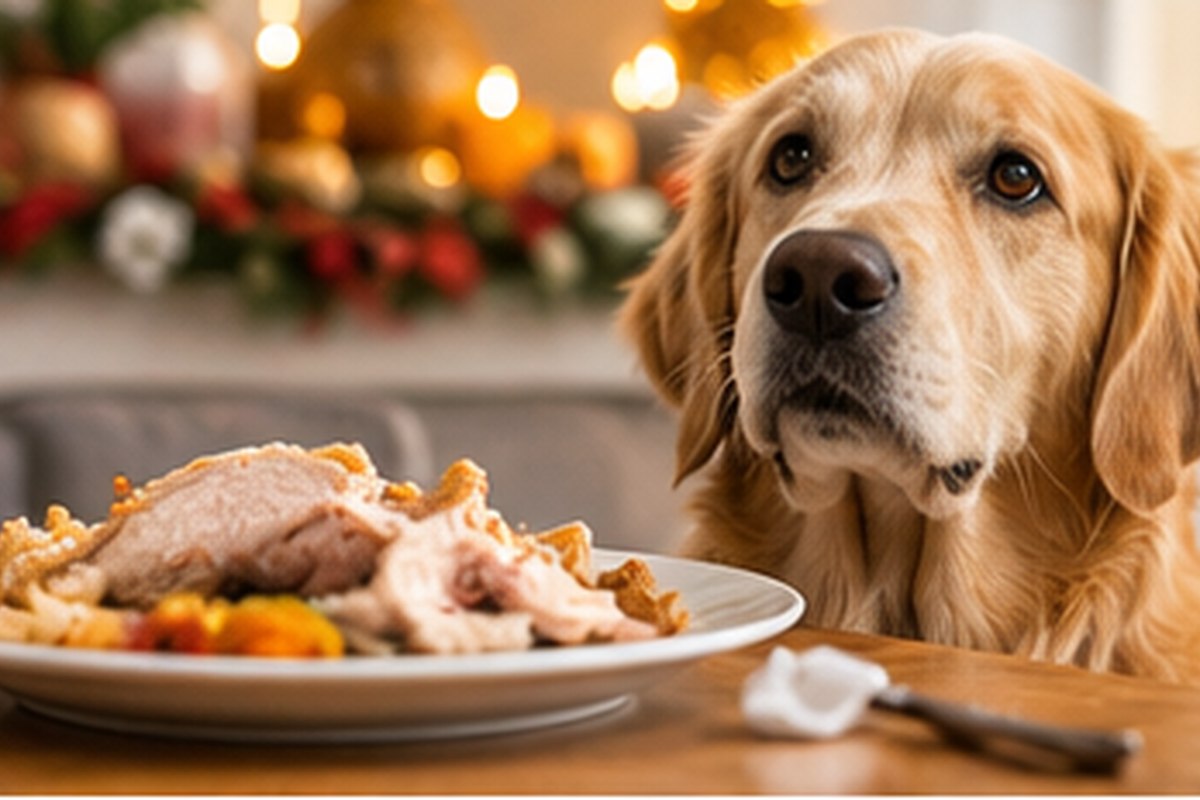
Thanksgiving is one of those holidays when pets seem particularly interested in everything happening in the kitchen.
Between preparing dinner, welcoming guests, and cleaning up afterward, it’s easy for a curious dog or cat to find something they shouldn’t eat.
Some traditional Thanksgiving foods can cause mild digestive irritation, while others can lead to serious poisoning or intestinal injuries.
Turkey skin and gravy: Fatty foods can trigger vomiting and diarrhea and may contribute to pancreatitis in susceptible pets.
Stuffing and casseroles: Onions and garlic are toxic to dogs and cats and can damage red blood cells.
Chocolate desserts: Chocolate contains theobromine and caffeine, which can cause dangerous reactions.
Grapes and raisins: These can cause acute kidney injury in dogs, even when only a small amount is consumed.
Sugar-free desserts: Some contain xylitol, which can cause dangerously low blood sugar and liver damage in dogs.
Cooked turkey bones: Bones may splinter, cause internal injuries, or become lodged in the digestive tract.
Corn cobs and food packaging: These can cause intestinal obstructions if swallowed.
For Mapleton families hosting Thanksgiving, keeping food out of reach and securing garbage containers can prevent many avoidable emergencies.
Consider preparing a pet-safe treat ahead of time so your dog or cat can participate in the celebration without sharing potentially harmful leftovers.
If your pet consumes something toxic, contact a veterinarian or animal poison control service immediately. Don’t wait for symptoms to appear.
Why Puppies and Kittens Need Special Attention
Young pets have different nutritional and hydration needs than adults.
Puppies and kittens have smaller fluid reserves and can become dehydrated more quickly when vomiting or diarrhea occurs.
They may also develop low blood sugar if illness prevents them from eating normally.
In puppies, severe gastrointestinal symptoms can be associated with parvovirus, a highly contagious infection that requires prompt treatment.
Kittens may develop digestive problems from parasites, infections, or other conditions that can become serious quickly.
For young animals, it’s best to contact your veterinarian when symptoms begin rather than waiting to see whether they resolve.
Senior Pets and Chronic Illnesses Change the Picture
Older dogs and cats may have medical conditions that make gastrointestinal illness more complicated.
Kidney disease, liver problems, diabetes, and other chronic illnesses can affect how well pets tolerate dehydration or reduced food intake.
For example, a senior cat with kidney disease may become dehydrated more easily during vomiting.
A diabetic dog who stops eating may experience dangerous changes in blood sugar.
Pets taking medications may also need additional monitoring when illness interferes with their normal routines.
If your pet is older or has an existing medical condition, early veterinary guidance is particularly important.
What Your Veterinarian Needs to Know
When you call Family Pet Hospital about a sick pet, you don’t need to have all the answers.
Your veterinary team will likely ask when symptoms started, how frequently vomiting or diarrhea has occurred, and whether your pet is eating and drinking normally.
They may also ask about recent diet changes, medications, possible toxin exposure, or objects your pet could have swallowed.
If you notice blood, mucus, or unusual material in vomit or stool, photographs can be helpful.
Mention any changes in energy, behavior, urination, or appetite.
Depending on your pet’s symptoms, your veterinarian may recommend bloodwork, fecal testing, X-rays, or other diagnostics.
Some pets improve with medication and dietary support, while others require fluids, hospitalization, or additional treatment.
The goal is to understand what’s causing the symptoms and help your pet recover safely.
Helping Mapleton Pets Feel Their Best
When your pet isn’t feeling well, it’s natural to want reassurance that everything will be okay. While many digestive problems are manageable, recognizing warning signs and seeking timely veterinary care can help prevent complications.
At Family Pet Hospital, we’re proud to care for dogs and cats throughout Mapleton, Spanish Fork, Springville, and surrounding Utah County communities.
Whether your pet is experiencing an unexpected stomach problem, ongoing diarrhea, or changes in appetite and behavior, our veterinary team is here to help evaluate their symptoms and recommend appropriate care.
If your dog or cat is experiencing vomiting or diarrhea, contact Family Pet Hospital in Mapleton to discuss their symptoms and schedule an appointment. For severe symptoms, suspected poisoning, or signs of a life-threatening condition, seek immediate emergency veterinary attention.
Your pet depends on you to recognize when something isn’t right, and knowing when to ask for help is one of the best ways to protect their health.