

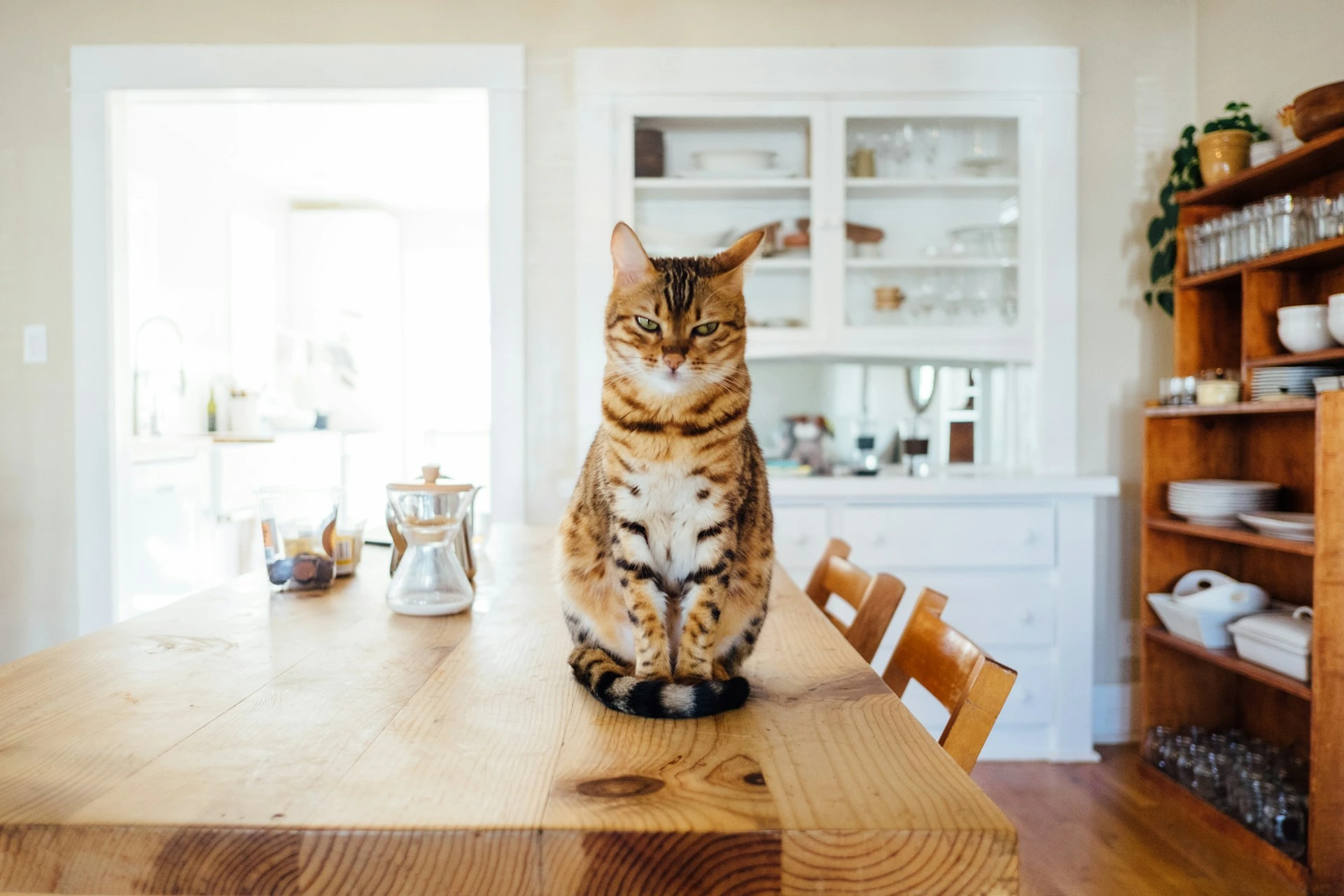
If your kitty follows you from room to room, meows when you walk by, or gently taps your arm to remind you they’re there, you’ve got a furry, lovable little buddy. At Family Pet Hospital, your trusted veterinary clinic in Springville, UT, many of our feline patients are charming, lovable cats who enjoy interacting with their people.
Most forms of attention-seeking cat behavior are perfectly normal and a sign of a strong bond. Cats are social in their own unique ways, and many simply enjoy being close to the humans they trust. However, when a cat suddenly becomes more demanding, clingy, vocal, or persistent than usual, it can sometimes signal that something in their environment—or their health—has changed.
Understanding when attention-seeking is healthy, and when it might need a closer look, helps you support your feline friend with confidence. In this guide, you’ll learn how to recognize normal social behavior, gentle approaches for solving needy cat habits that feel disruptive, and how to use thoughtful cat attention behavior tips to encourage comfort and emotional balance. You’ll also learn when to reach out to your veterinarian for guidance.
Why Attention-Seeking Is Normal for Many Cats
Some cats love constant companionship, while others simply like checking in throughout the day. Just like people, each kitty has their own preferences and personality. Many cats are very bonded to their humans. Fluffy also has some pretty cute ways of showing her love.
These include:
- Greeting you at the door
- Rubbing against your legs
- Sitting near (or on) your laptop
- Following you from one room to another
- Requesting playtime
- Vocalizing to start a conversation
These behaviors show trust and social bonding. Your feline friend may simply crave interaction, stimulation, or affection. Even if your feline overlord appears aloof, she may want more attention than you think.
Cats who feel safe in their homes are often expressive, playful, and interactive. So it’s important to understand that in most cases, attention-seeking is not just normal; it’s healthy.
When Attention-Seeking Becomes a Signal for Something More
Although most attention-seeking habits are harmless, sudden or dramatic changes can signal underlying stress or discomfort.
Pay attention if your feline pal begins seeking attention:
- More frequently than usual
- With unusual intensity
- At odd hours
- With increased or different vocalization
It’s important to realize that every kitty is different. A change in your pet’s attention-seeking behavior can be a sign that something is off, particularly if it’s paired with uncharacteristic hiding, clinginess, or irritability.
These shifts may indicate that your kitty is feeling insecure, overwhelmed, or physically uncomfortable. Cats often express their needs through behavior before showing physical symptoms.
If you live in Springville, Mapleton, Spanish Fork, or anywhere in Utah Valley, seasonal changes, household changes, or shifts in routine can all influence your cat’s behavior. When something feels “off,” trust your instincts. Your feline friend may be asking for help in the only way they know how.
Helping Your Cat Feel Secure Through Routine and Structure
Cats are creatures of habit, and tend to thrive when each day feels predictable. Clear routines help prevent anxiety-driven attention-seeking and support a calm, confident household. Fluffy will sort out her own napping schedule, but stick to a set routine for meals and playtimes.
Create Predictable Daily Patterns
Feeding times, play sessions, and quiet rest periods help your kitty understand the rhythm of the day. When life feels predictable, your feline companion is less likely to feel unsure or needy.
Offer Structured Playtime
Not all attention-seeking is emotional. Sometimes it’s simply extra energy. Daily interactive play helps your feline pal burn energy and stimulate their natural instincts. This is one of the most effective cat attention behavior tips, especially for high-energy or youthful cats.
Encourage Independence Gently
Create cozy rest areas, perches, or hideaways where your kitty can relax without needing constant contact. These spaces help your feline friend feel comfortable on their own terms.
How to Support Healthy Attention-Seeking Habits
Because attention-seeking is natural, your goal is not to “stop” these behaviors, but to channel them into positive patterns that suit both you and your cat.
Reward Calm and Polite Attention-Seeking
If your kitty approaches gently, vocalizes softly, or sits near you to request affection, feel free to reward her with praise, cuddles, treats, or catnip, depending on what she likes. These moments reinforce trust and help your feline friend feel loved.
Avoid Rewarding Disruptive Behaviors
If Fluffy jumps on your keyboard or sits directly on your book, pause for a moment before responding. Offering attention only when your cat is calm helps you gradually reduce pushy behaviors while preserving positive, affectionate ones.
Offer Alternatives for High-Energy Cats
A bored kitty may become demanding simply because they need stimulation. Enrichment options include window perches, safe climbing spaces, food puzzle toys, and interactive toys.
Many cats show reduced attention-seeking when they feel mentally fulfilled.
When Needy Cat Habits Come From Stress or Uncertainty
Cats are sensitive creatures, and even small household changes can affect their behavior. New pets, new people, rearranged furniture, schedule changes, or outdoor animals wandering near the window can all influence your kitty’s sense of security.
Provide Comfort Through Safe Zones
Quiet corners, elevated perches, and predictable spaces help your feline companion decompress when changes occur.
Keep Interactions Calm and Supportive
Gentle petting, slow blinks, and soft talking help reassure a worried kitty. These small gestures communicate safety and belonging.
Watch for Additional Stress Signs
Changes in appetite, decreased grooming, or hiding may indicate that stress, not attention-seeking, is the root cause.
Read all about how your kitties communicate with each other in this article by PetMD. There’s a helpful article about Fluffy’s body language on the PetMD website here.
Medical Causes of Sudden Attention-Seeking in Cats
A sudden increase in clinginess can also reflect discomfort or illness. Cats often become more vocal or needy when they don’t feel well, especially if they are seeking reassurance from the person they trust most.
Contact Family Pet Hospital if your cat shows:
- New or unusual attention-seeking
- Noticeable changes in behavior
- Increased hiding or anxiety
- Changes in appetite or litter box habits
- Weight loss or sudden restlessness
Your veterinarians can evaluate whether medical issues, such as pain, thyroid conditions, sensory changes, or digestive upset, are contributing to the behavior.
Frequently Asked Questions About Attention-Seeking Cats
Is attention-seeking a bad thing?
In most cases, no. Most attention-seeking is healthy, normal, and one of the best parts of having a cat!
Why does my cat suddenly want more attention?
Sudden changes may reflect stress, insecurity, or possible health concerns. If your pet just isn’t acting like herself, contact your vet.
How do I reduce disruptive attention-seeking?
Use routines, enrichment, and calm reinforcement to guide healthier habits.
Do cats get more affectionate with age?
Some do. Many kitties bond more and more deeply with their families over time.
Should I ignore my cat to stop the behavior?
No. Instead, guide behavior gently and reward calm, confident interactions.
Visit Our Springville, UT Veterinary Clinic for Cat Behavior Support
If you’re searching for a reliable vet near me or a compassionate veterinary clinic in Springville, UT, Family Pet Hospital is here to help you understand your feline friend’s behavior. Most attention-seeking cat behavior is a good thing—a sign of trust and healthy bonding. But when those habits suddenly shift, our veterinarians can help you explore potential causes, offer cat attention behavior tips, and support you in solving needy cat habits with confidence.
Schedule an appointment with our animal hospital today to support your kitty’s emotional and physical wellness.
This blog is intended for informational purposes only. Always consult your veterinarian for personalized medical or behavioral advice tailored to your cat’s needs.
Want to learn more about our pet clinic and the services we offer? You can stop by our main Services page here for an overview. You can also check out our Wellness & Vaccinations info page here, or our Nutrition & Weight Management options here.