

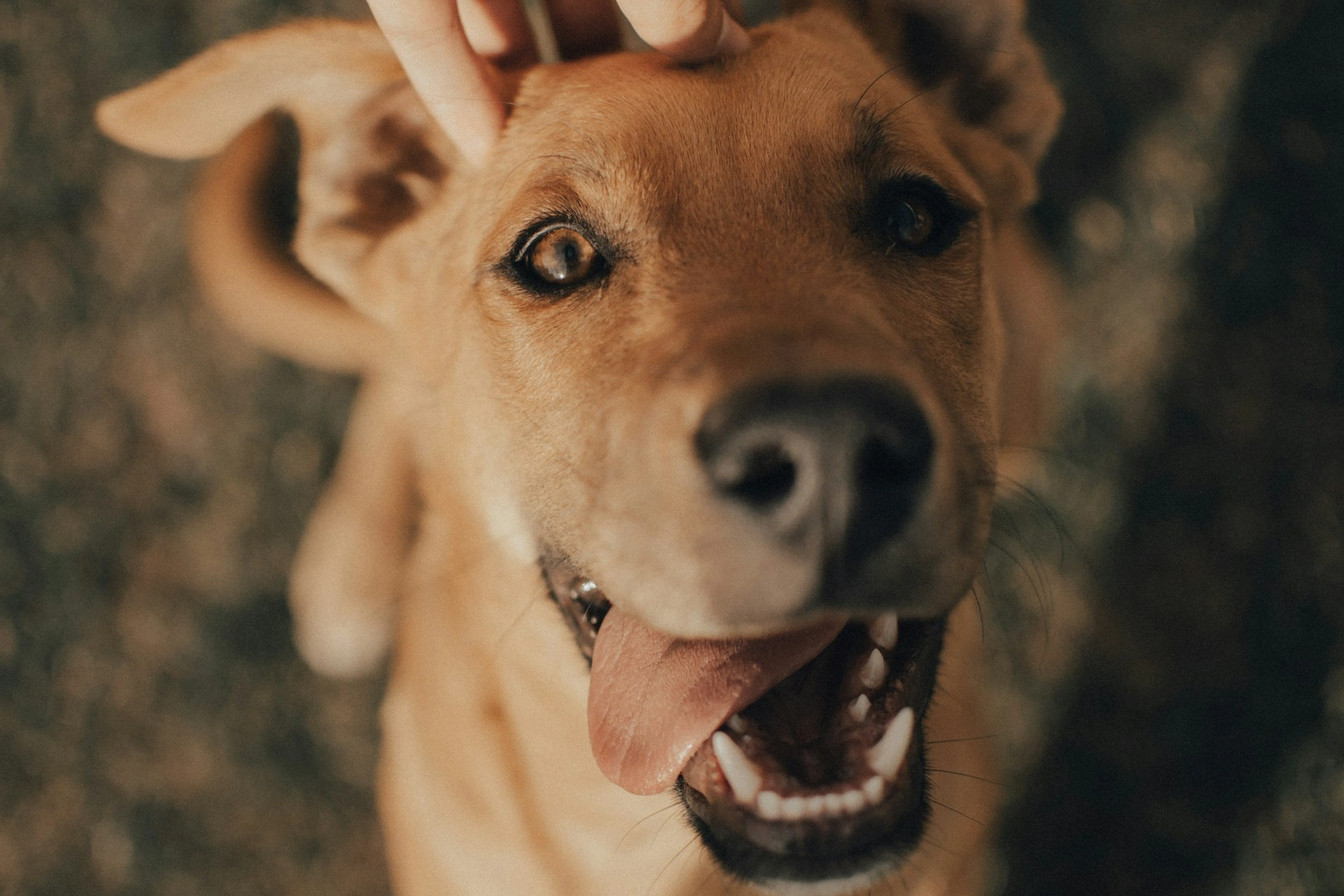
Dental care is a crucial part of your canine pal’s health and well.being. Healthy teeth play a major role in your canine companion’s overall health. Clean teeth support better breath, happier mealtimes, and long-term wellness. At Family Pet Hospital, your trusted animal hospital in Springville, UT, we regularly talk with dog owners from Springville, Mapleton, Spanish Fork, Utah Valley, and throughout Utah County who want simple ways to support their dog’s oral health at home. Good dental habits don’t have to be complicated. In fact, many dog dental care tips are easy, gentle, and can help maintain cleaner, healthier teeth between professional cleanings.
In this guide, you’ll learn practical at-home dog dental care strategies and simple steps for building your own canine dental hygiene guide to keep your four-legged buddy feeling their best.
Why Dental Care Matters for Dogs in Springville, UT
Oral health affects more than just your dog’s mouth. Tartar buildup, gum inflammation, and bacteria can impact Fido’s overall wellness if left untreated. Regular cleanings at Family Pet Hospital help prevent many issues, but what you do at home between visits is just as important. Maintaining consistent routines helps protect those hardworking canine chompers, and sticking to good habits at home support the work your veterinarians do during professional cleanings.
Understanding Your Dog’s Dental Needs
Your dog’s mouth is a busy place. Every time your pup eats, chews, or plays, plaque begins forming on the teeth. Over time, plaque hardens into tartar, which cannot be removed without professional tools. Left untreated, tartar buildup can irritate the gums and affect long-term health.
Recognizing early signs of dental concerns helps you stay ahead of bigger issues. Watch for:
- Yellow or brown tartar buildup
- Red or inflamed gums
- Bad breath
- Dropping food from the mouth
- Pawing at the face
- Avoiding harder foods or treats
These signs tell you that at-home care—and possibly a professional cleaning—can help keep your dog more comfortable.
Dog Dental Care Tips You Can Start Right Away
Dental care doesn’t have to be overwhelming. With a few simple routines, you can make meaningful improvements in your dog’s oral health.
Introduce Toothbrushing Slowly
Toothbrushing is one of the most effective at-home dog dental care habits. Introduce it gradually so your furry friend feels comfortable and curious instead of uncertain.
Tips for success include:
- Start by letting your pup taste or smell the toothbrush.
- Gently lift the lips and brush just a few teeth at a time.
- Keep brushing sessions short and positive.
- Offer treats and praise to sweeten the deal.
Consistency is more important than perfection. Even brushing a couple of times per week helps reduce plaque buildup.
Use Dog-Safe Toothbrushes and Angles
Brush in gentle circles along the gumline, where plaque tends to form most. Use tools designed for dogs, as they are shaped and sized right for Fido, and can help you reach tricky areas.
Make Toothbrushing Part of a Routine
Pick a regular time when your pup is relaxed, such as after a walk or before bedtime. Dogs feel calmer when routines feel predictable.
Healthy Dog Teeth Tips Through Chewing Habits
Chewing is a natural way for dogs to maintain dental health. Many pups clean their own teeth simply through safe chewing habits.
Encourage Safe Daily Chewing
Your dog’s chewing style helps you choose appropriate options. Whether you have a gentle nibbler or a dedicated chewer, chewing can help disrupt plaque buildup and support gum health. Just stick with safe toys.
Rotate Chews to Maintain Interest
Many dogs lose excitement when they see the same chew every day. Rotating options keeps chewing fresh and encourages longer chewing sessions for better oral care.
Monitor Chewing Sessions for Safety
No matter how enthusiastic your pooch is, supervision ensures your dog uses chews safely and comfortably.
Canine Dental Hygiene Guide: Building Healthy Habits at Home
Supporting your dog’s oral health doesn’t require complex routines. Small, consistent efforts help keep the mouth cleaner between professional cleanings.
Check Your Dog’s Mouth Weekly
Lift the lips and look along the gumline. This simple habit gives you a baseline for spotting changes early and helps you evaluate which dog dental care tips are working best.
Keep Fresh Water Available
Hydration supports oral moisture and helps rinse away food particles after meals. Dogs living in Utah’s dry climate often benefit from having multiple water bowls around the home.
Feed a Consistent, Balanced Diet
Kibble texture, moisture levels, and food type all play roles in oral health. A consistent diet supports predictable chewing and digestion while helping maintain cleaner teeth.
How Grooming and Dental Care Work Together
Regular grooming offers opportunities to evaluate your dog’s mouth, especially during brushing or drying sessions. Groomers often spot early signs of dental changes and can alert you to concerns.
Using grooming time as a checkpoint for oral health keeps your canine buddy comfortable from head to tail.
Seasonal Dental Considerations for Dogs in Utah Valley
Seasonal changes influence hydration, chewing habits, and overall activity levels.
In Winter
Dry air can affect oral moisture. Encourage more water intake and maintain consistent brushing habits.
In Summer
Dogs pant more in the heat, which may lead to a drier mouth. Make sure Fido always has fresh water. You can even give him an ice cube or frozen doggy snack.
In Spring and Fall
Allergies may cause chewing or licking that irritates the mouth. Monitoring these habits helps you stay ahead of discomfort.
When to Contact Your Veterinarian About Dental Concerns
Not all dental issues can be addressed at home. Contact Family Pet Hospital if you notice any of these red flags:
- Persistent bad breath
- Thick tartar buildup
- Drooling more than usual
- Difficulty eating
- Loose or missing teeth
- Bleeding gums
- Chewing on one side of the mouth
- Swelling
- Poor grooming
- Uncharacteristic aggression
Your veterinarians can evaluate whether a professional cleaning or additional support is needed.
Cornell University College Of Veterinary Medicine has an in-depth article on canine dental issues here. PetMD has a helpful article on the importance of doggy dental care here and one on kitty dental issues here.
Frequently Asked Questions About Dog Dental Care
How often should I brush my dog’s teeth?
Several times per week is ideal, but even occasional brushing helps.
Does chewing replace brushing?
Chewing helps, but brushing is still the most effective at-home method. You can also look into dental flakes, chews, or rinses.
Why does my dog have bad breath?
Plaque buildup, gum irritation, or dental disease may be involved.
Do small breeds need extra dental care?
Yes. Smaller mouths often crowd teeth, increasing plaque and tartar accumulation.
How do I know if my dog needs a professional cleaning?
Visible tartar, gum redness, and bad breath often indicate it’s time. Ask your vet for more information.
Visit Our Springville, UT Veterinary Clinic for Dog Dental Support
If you’re searching for a reliable vet near me or an experienced veterinary clinic in Springville, UT, Family Pet Hospital is here to help maintain your pup’s oral health. These dog dental care tips support cleaner, healthier teeth between cleanings, and whether you’re in Springville, Mapleton, Spanish Fork, Utah Valley, or elsewhere in Utah County, our veterinarians can help you build a personalized canine dental hygiene guide for long-term wellness.
Schedule an appointment with our animal hospital today to support your dog’s dental health and overall comfort.
This blog is intended for informational purposes only. Always consult your veterinarian for personalized medical or dental guidance tailored to your dog’s needs.
Want to learn more about our pet clinic and the services we offer? You can stop by our main Services page here for an overview. You can also check out our Wellness & Vaccinations info page here, or our Nutrition & Weight Management options here.