

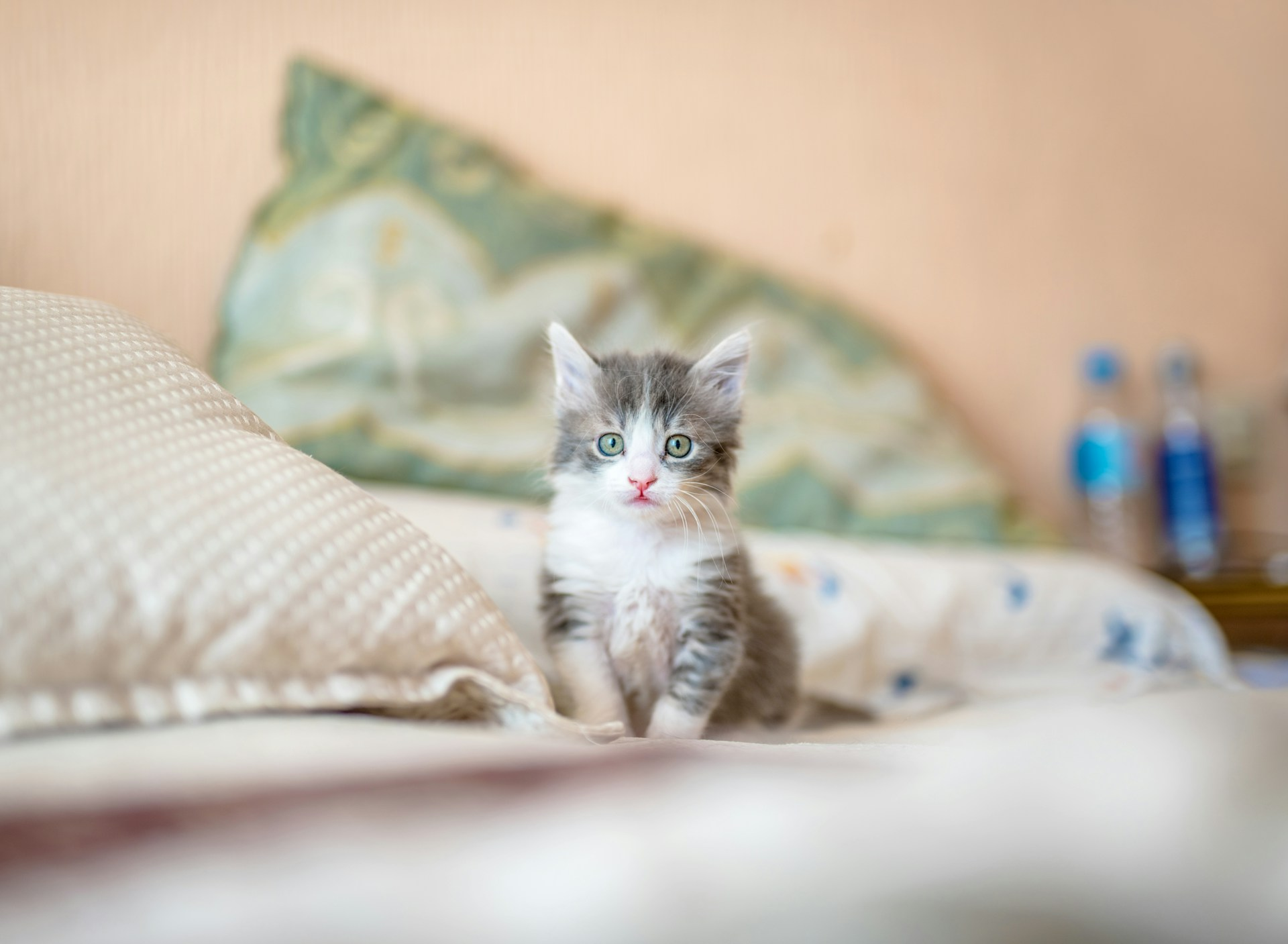
Cats are excellent groomers, but many still need our help to keep their skin and coats comfortable, especially when the seasons shift or dryness sets in. At Family Pet Hospital, your trusted veterinary clinic in Springville, UT, we regularly help families in Springville, Mapleton, Spanish Fork, Utah Valley, and across Utah County learn how grooming can support daily cat skin care and long-term wellness.
Grooming is far more than an aesthetic routine. It maximizes the insulating properties of your pet’s fur, as dust and dander can all make that fur less effective at both keeping Fluffy warm and keeping her cool. It also helps distribute oils, reduces shedding, prevents matting, and strengthens your bond with your kitty. Most importantly, it plays a meaningful role in early skin health monitoring. In this guide, you’ll learn practical at-home skin tips for cats, effective grooming routines for healthy feline coat care, and simple basic cat dermatology tips that keep your kitty feeling their best.
How Grooming Supports Healthy Skin and Coat Comfort
Even though cats groom themselves several times a day, they often still need some help. Some areas, like the belly, armpits, and behind the ears, are harder for your feline companion to maintain on her own. Grooming also helps you remove dead fur, excess dander, and debris that can build up over time. When these materials sit too long on the coat, they can contribute to dryness, itchiness, or mild irritation.
Brushing also encourages natural oil distribution. These oils help nourish the coat, support hydration, and reduce flakiness. Cats living in Utah’s dry climate may be bothered by the dry air. Routine brushing provides an extra level of comfort, especially during colder months when indoor heating lowers humidity.
Last but not least, many kitties simply enjoy being pampered.
Choosing the Right Tools for Your Cat’s Coat
The right grooming tools will depend on your cat’s coat type, temperament, and sensitivity. Many cats enjoy softer brushes, while others prefer combs that glide through fur more efficiently.
Short-haired cats typically do well with soft bristle brushes or rubber grooming mitts, which help remove loose fur without irritating the skin. Long-haired cats often need tools that can gently work through thicker areas, such as wide-tooth combs or slicker brushes designed to prevent matting. If your kitty is sensitive to textures or sound, consider softer silicone or fabric-style grooming tools.
For many of our feline pals, grooming is as much about comfort as it is about practicality. Choosing tools that feel gentle helps create a positive experience, making your kitty more willing to participate in regular brushing routines.
Healthy Feline Coat Care Through Regular Brushing
Consistent brushing is one of the most effective ways to support healthy feline coat care. Regular brushing removes loose fur, reduces shedding, and allows you to monitor skin health more closely. It also encourages circulation, which promotes stronger hair follicles and supports coat resilience.
Most short-haired cats benefit from brushing several times a week, while long-haired cats often require daily grooming to prevent tangles and mats. If your feline companion enjoys the process, brushing more frequently is perfectly fine. Many cats find it soothing and relaxing.
Choose a calm, quiet time to brush your kitty. Early evenings or peaceful mornings work well, especially if you allow your feline friend to settle into a comfortable position first. Keep movements slow and predictable as you move with the natural direction of the fur. Gentle strokes help your kitty relax and reduce any anxiety they may associate with grooming.
Preventing Mats Through Consistent Grooming
Mats can form more quickly than many cat owners realize. Even short-haired cats can develop small tangles, especially in areas where fur rubs together during movement. When mats form, they can tug at the skin, trap debris, and lead to irritation.
To help prevent matting, take extra time brushing high-friction areas such as behind the ears, under the legs, and along the belly. Long-haired cats may require particular attention in these spots, especially if they have thick or silky coats. Even a few minutes of grooming each day can dramatically reduce the risk of tangles.
When small mats start to form, gently loosen them with your fingers before brushing. Larger or persistent mats may require professional grooming assistance. Avoid using scissors on mats. Even seemingly minor mats can sit close to the skin, creating a risk for accidental cuts.
Seasonal Grooming Needs for Cats in Utah Valley
Cats in Springville, Mapleton, and surrounding communities experience significant seasonal transitions, which influence grooming needs. In the spring and fall, shedding increases as your feline companion grows or sheds fur for temperature regulation. Brushing more often during these times helps remove loose undercoat hairs and reduces shedding around the home. You’ll also find less fur stuck to everything, as you’ll have captured it in a brush before it ended up on your sofa.
Winter grooming also matters. Indoor heating often dries the air, which can lead to flakiness or mild skin dryness. Regular brushing during these months supports oil distribution and keeps your kitty’s coat feeling soft. During hot summer months, brushing helps your feline pal stay cooler by removing excess fur and allowing better airflow around the skin.
Basic Cat Dermatology Tips Through Grooming Awareness
Grooming gives you a chance to check your cat’s skin regularly. While brushing, gently part the fur occasionally to look for any early signs of dryness, flakiness, redness, or sensitivity. This makes grooming one of the simplest ways to practice basic cat dermatology tips at home.
Pay special attention to areas where irritation tends to show up first, such as:
- The base of the tail
- The inner thighs
- Behind the ears
These observations help you notice mild changes long before they become uncomfortable for your feline companion. Because cats often hide discomfort, early detection through grooming is extremely valuable.
Bathing Considerations—Only When Necessary
Bathing is not typically a central part of at-home grooming, but it may be helpful in rare cases where the coat becomes oily, sticky, or especially dirty. Most cats benefit from minimal bathing, as too much water exposure can strip natural oils from the coat.
If a bath is necessary, keep it short, use lukewarm water, and allow your feline friend to dry completely. Brushing afterward can help reshape the coat and restore comfort.
Purina has an article about bathing cats, which you can read here. Purina has an article about bathing cats, which you can read here.
When At-Home Grooming Should Be Supplemented With Veterinary Support
Although grooming helps many cats feel and look their best, some situations require professional evaluation. If your feline companion seems unusually sensitive to touch, shows sudden increases in shedding, or begins avoiding grooming altogether, this could signal discomfort or stress. More pronounced signs, such as sores, redness, hair thinning, or persistent itching, warrant veterinary attention.
Your veterinarians at Family Pet Hospital can help identify the cause of these concerns and recommend appropriate care or adjustments to your grooming routine.
Frequently Asked Questions About Cat Grooming and Skin Care
How often should I brush my cat?
Short-haired cats typically need brushing a few times a week, while long-haired cats often benefit from daily brushing.
Why is my cat shedding more recently?
Seasonal changes, stress, or mild skin dryness can all increase shedding. Regular grooming helps manage this.
Do indoor cats need grooming?
Yes. Indoor air can become dry and lead to mild skin issues, especially during winter months.
Why does my long-haired cat get mats?
Friction, loose fur, and humidity changes can contribute to matting. Daily brushing helps prevent them.
Should I bathe my cat often?
Not usually. Most cats only need occasional baths, if any.
Visit Our Springville, UT Veterinary Clinic for Grooming Guidance
If you’re looking for a knowledgeable vet near me or a supportive veterinary clinic in Springville, UT, Family Pet Hospital is here to help you build an effective grooming routine for your feline friend. Whether you’re in Springville, Mapleton, Spanish Fork, Utah Valley, or another part of Utah County, our team can support your journey with cat skin care, simple at-home skin tips for cats, and practical advice for healthy feline coat care year-round.
Schedule an appointment with our animal hospital today to keep your kitty looking and feeling their best.
This blog is intended for informational purposes only. Always consult your veterinarian for personalized dermatological or grooming guidance tailored to your cat’s needs.
Want to learn more about our pet clinic and the services we offer? You can stop by our main Services page here for an overview. You can also check out our Wellness & Vaccinations info page here, or our Nutrition & Weight Management options here.