

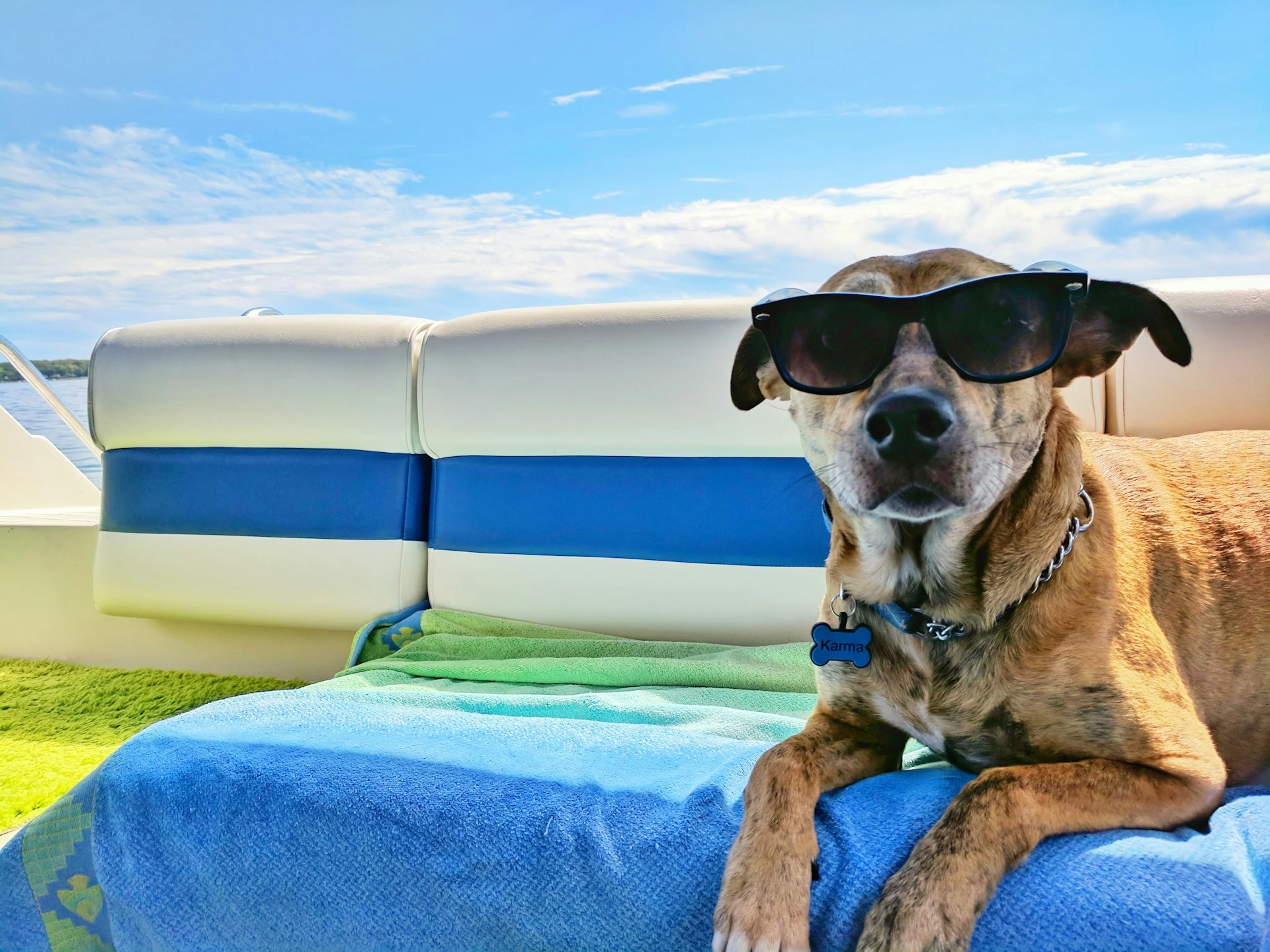
Are you headed out of town soon? If you’re planning a road trip, vacation, or seasonal outing and want to bring your furry companions along, read on! Whether you’re traveling across town or several hours away, dogs and cats have unique needs during travel. Some pets enjoy the journey; others feel nervous, carsick, or overwhelmed by unfamiliar environments. A little preparation goes a long way here. Dogs and cats can make wonderful travel partners, but they rely on you to help them stay safe, calm, and comfortable every step of the way.
At Family Pet Hospital, your trusted veterinary clinic in Springville, UT, we help families throughout Springville, Mapleton, Spanish Fork, Utah Valley, and Utah County learn essential pet travel safety tips to make adventures smoother for everyone.
With the right preparation, you can create a travel experience that supports comfort, reduces stress, and keeps your furry friend secure throughout the trip. In this guide, you’ll learn how to build a practical seasonal pet travel guide, explore helpful dog and cat safety tips, and ensure stress-free, safe travel for pets during your next adventure.
Understanding Your Pet’s Travel Needs
Travel can be an exciting change of pace, but it also disrupts your pet’s routine. Dogs may enjoy the stimulation and activity, while many cats prefer predictability and quiet spaces. Before planning an outing, consider your furry friend’s personality, comfort level with travel, and familiarity with new settings.
If your kitty becomes stressed during car rides or your pup becomes overly excited, helping them acclimate gradually will make the experience much smoother. Short practice drives, calm introductions to travel carriers, and predictable routines help pets feel more confident.
Visit Your Central Utah Vet
One of the first things you’ll need to do is make sure that your pet is current on their parasite control and recommended vaccines. Depending on where you are going, your vet may recommend additional vaccines.
Also, make sure that your furry pal is microchipped and wearing ID tags. The information should all be up to date.
Choosing Safe Travel Carriers and Restraints
One of the most important aspects of travel safety is ensuring your pet is secure. Letting your dog roam freely or traveling with your cat loose in the vehicle can be very dangerous.
For dogs, a crate or a properly fitted travel harness is your best bet. For cats, a sturdy travel carrier is essential. Make sure carriers are large enough for your feline pal to stand up, turn around, and lie comfortably. Position the carrier so it remains stable and doesn’t slide during movement.
To help your pet feel more comfortable in their crate, place a soft blanket inside, preferably something with familiar scents. Dogs benefit from the same comfort, and using familiar bedding can make your pup feel more relaxed throughout the trip.
Creating a Calm, Comfortable Travel Environment
Preparing your vehicle helps reduce stress and keeps dogs and cats calm. Take time to cool or warm the car before loading your pets. Temperature changes can be stressful for both species, especially during extreme heat or cold in Utah County.
Give your furry companions space to settle comfortably, and avoid loud music or excessive stimuli. Cats especially benefit from calmer environments. Many pets also appreciate a slightly darkened carrier, which creates a den-like sense of security.
If your cat or dog becomes anxious in the car, gentle reassurance, slow movements, and predictable routines can help them feel safer.
Packing the Essentials for Safe Travel With Pets
Bringing the right supplies can make travel safer, more predictable, and far less stressful for your furry friend. Prepare a small travel kit before heading out.
Useful items include:
- Fresh water
- Collapsible bowls
- Familiar food
- Cleaning supplies (towels, paper towels, wipes)
- Extra leashes
- Medications (if needed)
- Waste bags
- A favorite toy or comfort item
These items provide comfort, stability, and consistency—especially during longer drives or overnight trips.
USA Today covered packing for your pet in this article. AAA also wrote about packing for pets in this piece.
Feeding and Hydration Routines During Travel
Keeping your pet’s tummy settled is an important part of your seasonal pet travel guide. Feeding too close to departure can lead to stomach upset. For most dogs and cats, it’s best to avoid large meals immediately before traveling. Instead, offer small portions and allow plenty of time for digestion before loading into the car.
Fresh water should always be available during stops. Dogs often need hydration breaks every couple of hours, especially when traveling through Utah Valley’s drier climate. Cats also benefit from water breaks, though many drink less frequently.
Some pets with sensitive stomachs may have issues with ‘strange’ water, so you may want to bring a few gallons of your usual water along if you can.
Preventing Escapes and Ensuring Safety During Stops
Rest stops, scenic overlooks, and quick breaks all offer opportunities for a pet to slip away if they are startled or curious. Always clip leashes securely before opening the car door. Keep cats inside their carrier until you are safely in an enclosed area. Even the calmest kitty can bolt unexpectedly in an unfamiliar environment.
Dogs should remain on a sturdy leash whenever outside. High-traffic areas, wildlife, and unfamiliar scents may trigger excitement or anxiety, making extra caution essential.
Maintaining Comfort During Seasonal Travel
Travel conditions vary depending on the time of year, and pets rely on you to help them stay safe and comfortable.
Warm-Weather Travel
Utah summers can be hot, and the temperature in enclosed vehicles can rise quickly. Never leave your pet alone in a parked car, not even for a moment. Temperatures rise rapidly and can become dangerous in minutes. Make sure the vehicle stays well-ventilated and take frequent hydration breaks.
Cold-Weather Travel
Winter roads in Springville or Spanish Fork can be icy, and cold air can make pets uncomfortable. Provide blankets for warmth and ensure your car is preheated before loading your furry companions.
How to Reduce Stress for Nervous Travelers
Some animals feel anxious during travel. Cats or dogs who rarely ride in cars tend to get particularly nervous. Stress may appear as panting, meowing, pacing, hiding, or drooling. You can help your furry friend relax by offering gentle reassurance, calm conversation, and predictable routines.
Short practice trips help both dogs and cats acclimate to the sensation of movement. Many pets also relax when given a familiar object, such as Fluffy’s favorite blanket or your pup’s well-loved toy, which carries comforting scents from home.
If your kitty or dog becomes excessively anxious, your veterinarian may recommend additional strategies to support comfort before longer trips.
When Veterinary Advice Is Needed Before Traveling With Pets
If your pet has a medical condition, mobility concern, or history of severe stress during travel, it’s wise to discuss plans with your veterinarian before taking a trip. Pets with respiratory conditions, heart concerns, or chronic discomfort may need modifications to ensure safe travels.
You should also schedule a visit if your furry friend:
- Has not traveled recently
- Gets carsick
- Has a history of escape attempts
- Shows severe fear in carriers
- Reacts strongly to unfamiliar environments
Your veterinary team at Family Pet Hospital can help you prepare a customized plan that keeps your kitty or pup as comfortable as possible.
Frequently Asked Questions About Traveling With Pets
Should I let my dog ride with their head out the window?
It’s not recommended. Debris and sudden stops can lead to injury.
Do cats need carriers for short trips?
Yes. Even short rides can become dangerous if cats are loose in the vehicle.
Can pets get carsick?
Absolutely. Some pets experience nausea, especially during longer or winding drives.
How often should I stop during a long trip?
Most dogs benefit from breaks every 2–3 hours. Cats can remain in carriers longer but still appreciate occasional quiet breaks.
Should I sedate my pet for travel?
Only under veterinary guidance. Sedation may not be appropriate for all pets.
Visit Our Springville, UT Veterinary Clinic for Pet Travel Support
If you’re looking for a reliable vet near me or an experienced veterinary clinic in Springville, UT, Family Pet Hospital is here to support safe and comfortable travels with your furry companions. Our team helps families build customized pet travel safety tips, seasonal plans for safe travel for pets, and personalized guidance for dog and cat safety tips in Springville, Mapleton, Spanish Fork, Utah Valley, and across Utah County.
Schedule an appointment with our animal hospital today to prepare for your pet’s next adventure.
This blog is intended for informational purposes only. Always consult your veterinarian for personalized medical or travel guidance tailored to your pet’s needs.
Want to learn more about our pet clinic and the services we offer? You can stop by our main Services page here for an overview. You can also check out our Wellness & Vaccinations info page here, or our Nutrition & Weight Management options here.