

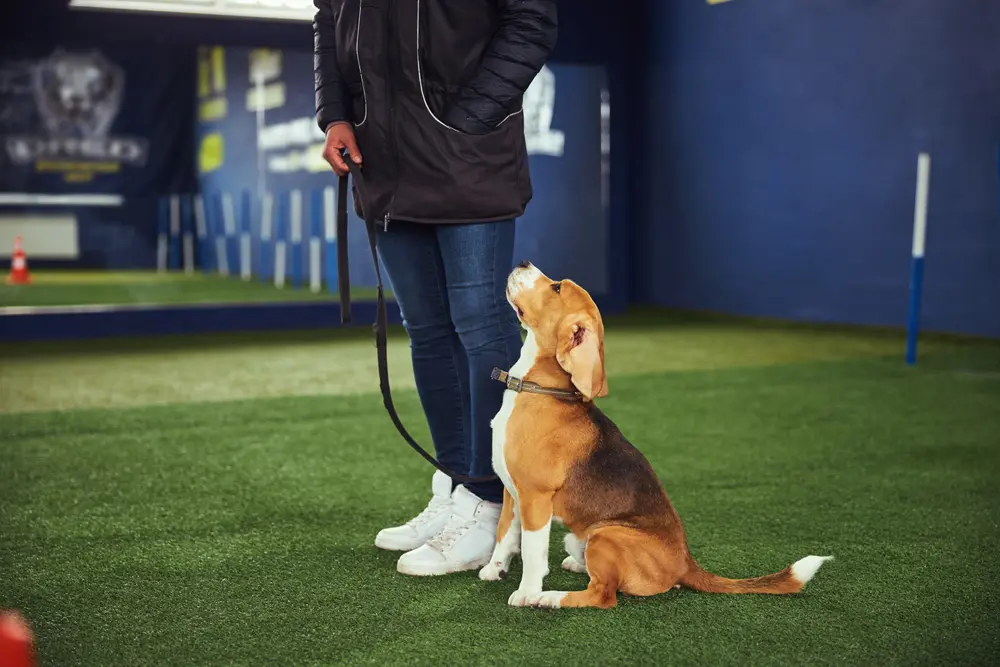
Most pets experience occasional stress. A trip to the veterinarian, a loud thunderstorm, or visitors arriving at the house can temporarily make a dog or cat uneasy. However, when stress becomes a regular part of your pet’s life, it can develop into anxiety, a condition that affects both emotional and physical health.
Anxiety is more common in pets than many people realize. Dogs and cats may not be able to tell us when they’re worried or fearful, but they often show us through changes in behavior, appetite, sleep habits, and interactions with their families.
At Family Pet Hospital, we believe that understanding the signs of anxiety can help pet owners provide better support and seek treatment before stress begins affecting their pet’s quality of life.
What Causes Anxiety in Pets?
Anxiety can develop for many different reasons. Some pets are naturally more sensitive to changes in their environment, while others may develop anxiety after a specific experience or life event.
Common causes include:
- Being left alone for long periods
- Loud noises such as fireworks or thunderstorms
- Changes in household routines
- Moving to a new home
- Introducing a new pet or family member
- Travel and boarding
- Previous traumatic experiences
- Aging and cognitive decline
- Chronic pain or illness
Sometimes anxiety develops gradually, while other pets may show signs almost immediately after a stressful event.
How Anxiety Changes a Pet’s Behavior
One of the biggest challenges with anxiety is that it doesn’t look the same in every pet.
Some pets become overly active and reactive, while others become withdrawn and quiet. Understanding your pet’s normal behavior is often the key to recognizing when something has changed.
Signs of Anxiety in Dogs
Dogs often display anxiety through obvious behavioral changes.
Common signs include:
Constant Vigilance
An anxious dog may appear unable to relax. They may constantly monitor their surroundings, react to every noise, or seem unusually alert throughout the day.
Increased Vocalization
Barking, whining, howling, and crying can all be signs of stress, especially when they occur more frequently than normal.
Destructive Habits
Dogs experiencing anxiety may chew furniture, scratch doors, destroy bedding, or damage household items when they feel overwhelmed.
Excessive Panting
Heavy panting without exercise or heat exposure can be a sign that a dog is feeling nervous or stressed.
Shaking or Trembling
Many dogs physically tremble when they are anxious, particularly during storms, fireworks, or unfamiliar situations.
Changes in Appetite
Some dogs lose interest in food when stressed, while others may begin eating excessively.
Following Family Members Everywhere
Dogs that suddenly become unable to be alone or constantly seek reassurance may be struggling with anxiety.
Signs of Anxiety in Cats
Cats often hide their emotions more effectively than dogs, making anxiety harder to identify.
Spending More Time Hidden
Cats naturally enjoy quiet spaces, but a sudden increase in hiding behavior can indicate emotional stress.
Excessive Grooming
Anxiety is one of the most common causes of overgrooming in cats.
This can lead to:
- Bald patches
- Thin fur
- Skin irritation
- Hair loss
Changes in Litter Box Behavior
Stress can contribute to inappropriate urination or defecation outside the litter box.
Any litter box changes should be evaluated by a veterinarian to rule out underlying medical conditions.
Becoming Less Social
Some anxious cats withdraw from family activities and spend more time alone than usual.
Increased Irritability
Fear and anxiety can make some cats more defensive, leading to hissing, swatting, or growling.
Excessive Meowing
A cat that suddenly becomes more vocal may be trying to communicate discomfort or uncertainty.
The Physical Impact of Anxiety
Anxiety is not just a behavioral issue. Chronic stress affects the body as well.
When pets remain in a prolonged state of stress, they may experience:
- Digestive upset
- Vomiting
- Diarrhea
- Changes in appetite
- Sleep disruptions
- Increased inflammation
- Reduced immune function
- Weight changes
Over time, these physical effects can contribute to additional health concerns.
Separation Anxiety: A Growing Concern
One of the most common anxiety disorders seen in veterinary medicine is separation anxiety.
Pets with separation anxiety experience significant distress when separated from their owners.
Signs may include:
- Vocalizing when left alone
- Destructive behavior
- Pacing
- House-training accidents
- Escape attempts
- Refusing food when family members are away
This condition became increasingly common as many households experienced changes in work schedules and daily routines over recent years.
Anxiety Triggers in Utah Pets
Pets in Mapleton and throughout Utah may encounter several situations that commonly trigger anxiety.
Fireworks
Fireworks during the Fourth of July and Pioneer Day celebrations can be extremely stressful for many dogs and cats.
Thunderstorms
Although Utah storms may be less frequent than in some regions, thunder and sudden weather changes can still trigger fear responses in sensitive pets.
Busy Family Schedules
School activities, vacations, visitors, and changing routines can all contribute to anxiety.
Veterinary Visits
Many pets become anxious during veterinary appointments due to unfamiliar smells, sounds, and experiences.
Could a Health Condition Be Causing the Problem?
Many medical conditions can mimic anxiety symptoms.
Before diagnosing anxiety, veterinarians often rule out conditions such as:
- Arthritis
- Dental pain
- Thyroid disease
- Neurological disorders
- Urinary tract infections
- Gastrointestinal disease
- Cognitive dysfunction syndrome
This is why a veterinary examination is important whenever behavioral changes occur.
Helping an Anxious Pet Feel More Secure
The good news is that many pets respond well to treatment and lifestyle adjustments.
Create Predictable Routines
Pets thrive when they know what to expect. Consistent schedules for feeding, exercise, and rest can reduce stress.
Prioritize Exercise
Physical activity helps reduce anxiety by providing an outlet for energy and supporting overall well-being.
Provide Mental Stimulation
Puzzle toys, training sessions, food-dispensing toys, and interactive games can help keep pets mentally engaged.
Establish a Safe Space
Many pets benefit from having a quiet retreat where they can relax during stressful situations.
Reward Calm Behavior
Positive reinforcement helps build confidence and encourages healthy coping mechanisms.
Treatment Options for Anxiety
Depending on the severity of symptoms, your veterinarian may recommend:
- Behavioral modification techniques
- Environmental changes
- Calming supplements
- Pheromone products
- Prescription medications
- Referral to a veterinary behavior specialist
Treatment plans are most effective when tailored to each individual pet.
When to Talk to Your Veterinarian
If your pet’s anxiety is interfering with daily life, it is time to seek professional guidance.
Schedule an appointment if your pet:
- Appears fearful frequently
- Has sudden personality changes
- Develops destructive behaviors
- Stops eating normally
- Experiences house-training or litter box issues
- Becomes aggressive
- Has difficulty coping with everyday situations
Early intervention often leads to better results and helps prevent anxiety from becoming more severe.
Supporting Your Pet’s Emotional Wellness
A happy pet is one that feels safe, comfortable, and secure. While occasional stress is a normal part of life, persistent anxiety should not be ignored. Recognizing the signs early and seeking veterinary guidance can make a tremendous difference in your pet’s health and happiness.
At Family Pet Hospital, we are committed to helping pets in Mapleton and the surrounding communities thrive at every stage of life. If you have concerns about anxiety, behavioral changes, or stress-related symptoms in your dog or cat, our team is here to help. Together, we can identify the cause and develop a plan that helps your pet live a calmer, healthier, and more confident life.