

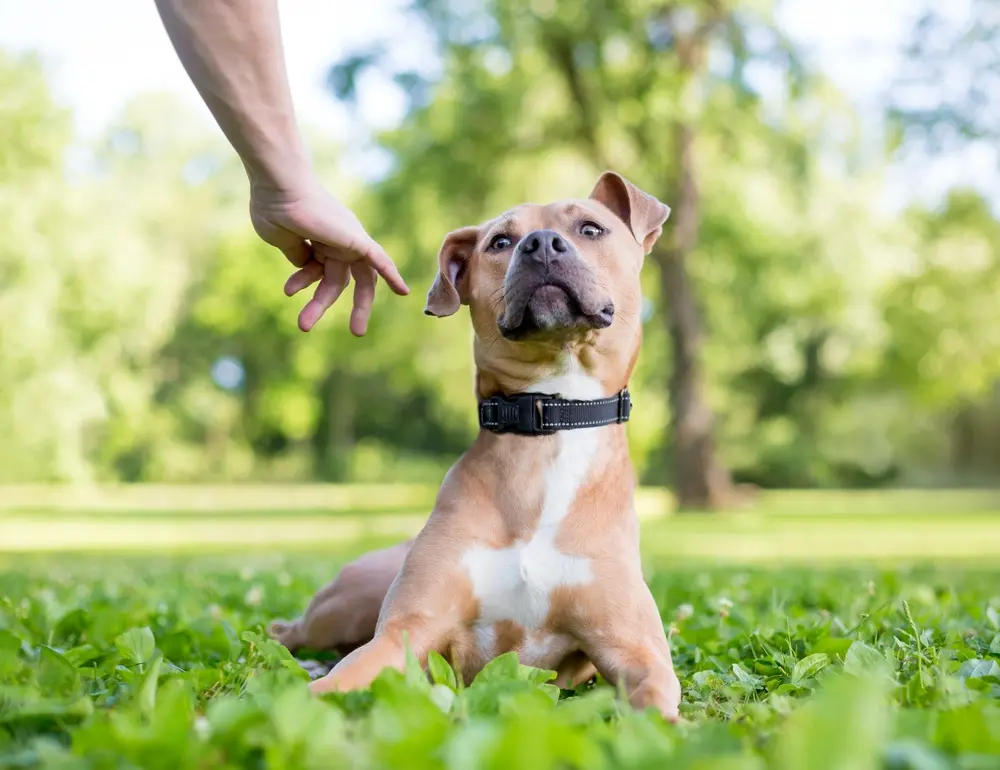
Every pet deserves to feel safe and comfortable in their home. While many dogs and cats adapt easily to everyday life, others may struggle with anxiety that affects their behavior, relationships, and overall well-being. Anxiety can develop gradually or appear suddenly after a major life change, and it often shows up in ways pet owners don’t immediately recognize.
At Family Pet Hospital, we understand that emotional health is an important part of your pet’s overall wellness. Whether your pet becomes nervous when left alone, hides during storms, or seems constantly on edge, there are practical steps you can take to help reduce stress and build confidence.
The key is learning how anxiety affects pets and creating an environment that helps them feel safe, supported, and understood.
Understanding Why Pets Become Anxious
Anxiety is a natural response to situations that feel uncertain, unfamiliar, or overwhelming. While some pets are naturally more confident, others are more sensitive to changes in their environment.
Common causes of anxiety include:
- Changes in household routines
- Moving to a new home
- Separation from family members
- New pets or family members
- Loud noises
- Travel
- Boarding stays
- Lack of socialization
- Previous negative experiences
- Age-related cognitive changes
Sometimes the cause is obvious, while other times it may take careful observation to identify what is making your pet uncomfortable.
Understanding your pet’s triggers can help you make adjustments that reduce stress before it escalates.
Anxiety Can Affect More Than Behavior
Many people think of anxiety as a behavioral issue, but its effects can extend beyond mood and actions.
Long-term stress can contribute to:
- Changes in appetite
- Digestive upset
- Poor sleep quality
- Excessive grooming
- Weakened immune function
- Weight changes
- Decreased interest in activities
Because emotional and physical health are closely connected, addressing anxiety can have benefits throughout your pet’s entire body.
Signs Your Pet May Be Feeling Stressed
Pets communicate differently than people, so anxiety often appears through behavior rather than obvious emotional displays.
Signs of Anxiety in Dogs
Dogs may show stress through:
- Pacing
- Excessive barking
- Whining
- Panting when not exercising
- Trembling
- Destructive behavior
- Following family members constantly
- Difficulty settling down
- Changes in appetite
Signs of Anxiety in Cats
Cats may display anxiety by:
- Hiding more often
- Excessive grooming
- Increased vocalization
- Aggression
- Litter box accidents
- Reduced interaction with family members
- Changes in eating habits
If you notice sudden behavioral changes, a veterinary examination is recommended. Certain medical conditions can cause symptoms that resemble anxiety.
Create a Predictable Daily Routine
One of the simplest ways to reduce anxiety is to make daily life more predictable.
Pets feel more secure when they know what to expect.
Whenever possible, maintain consistency with:
- Feeding times
- Walk schedules
- Play sessions
- Potty breaks
- Bedtime routines
Routine helps reduce uncertainty and creates a sense of stability that many anxious pets find comforting.
Even small efforts toward consistency can help build confidence over time.
Let Your Pet Have a Safe Space
Every pet should have a place where they can retreat when they feel overwhelmed.
This area should be:
- Quiet
- Comfortable
- Easily accessible
- Free from interruptions
Dogs may enjoy:
- A crate
- A comfortable bed
- A quiet room
Cats often prefer:
- Elevated perches
- Covered beds
- Cat trees
- Private hideaways
When your pet chooses to spend time in their safe space, allow them to do so without pressure to interact.
Sometimes the ability to step away from a stressful situation is exactly what they need.
Focus on Mental Enrichment
Mental stimulation can play a major role in reducing anxiety.
When pets are engaged in meaningful activities, they have less opportunity to focus on stressors.
Great enrichment options include:
- Puzzle feeders
- Snuffle mats
- Treat-dispensing toys
- Training exercises
- Scent games
- Interactive play
Mental challenges help build confidence while providing healthy outlets for energy and curiosity.
Even a few minutes of enrichment each day can have a positive impact.
Exercise Helps Release Stress
Physical activity is one of the most effective natural ways to reduce anxiety.
Exercise helps pets:
- Burn excess energy
- Improve sleep
- Boost mood
- Reduce boredom
- Increase confidence
Dogs often enjoy:
- Daily walks
- Hiking
- Fetch
- Swimming
- Agility activities
Cats can benefit from:
- Wand toys
- Climbing structures
- Interactive play sessions
- Hunting-style games
Mapleton’s beautiful outdoor environment provides many opportunities for safe exercise throughout much of the year. Regular activity can support both physical and emotional health.
Build Confidence Through Positive Experiences
Confidence and anxiety often exist on opposite ends of the spectrum.
The more successful experiences a pet has, the more confident they become.
Simple ways to build confidence include:
- Teaching new tricks
- Rewarding calm behavior
- Allowing pets to explore new environments gradually
- Introducing challenges at an appropriate pace
- Using positive reinforcement consistently
The goal is to create situations where your pet can succeed rather than become overwhelmed.
Over time, these positive experiences can help reshape how your pet responds to new situations.
Helping Pets Through Common Stress Triggers
Certain situations are challenging for many pets.
Thunderstorms and Fireworks
To help reduce anxiety:
- Keep pets indoors
- Close blinds and curtains
- Turn on calming background noise
- Offer access to safe spaces
- Provide enrichment before the event begins
Visitors
If your pet becomes nervous around guests:
- Allow them to approach on their own terms
- Avoid forcing interactions
- Reward calm behavior
- Provide a quiet retreat area
Travel
Travel anxiety can often be reduced through:
- Short practice trips
- Positive reinforcement
- Familiar bedding and toys
- Secure carriers or restraints
Preparation can make stressful events much easier for anxious pets to handle.
The Importance of Staying Calm
Pets often take emotional cues from the people around them.
When owners become anxious or frustrated, pets may become more unsettled as well.
During stressful situations:
- Speak calmly
- Maintain a relaxed demeanor
- Avoid punishment
- Reward calm behavior
Your response can help shape how your pet interprets the situation.
Patience and consistency are often more effective than correction.
When Additional Help Is Needed
Some pets require more than environmental changes and training.
A veterinary consultation is recommended if your pet:
- Stops eating
- Experiences severe panic
- Becomes destructive
- Shows aggression
- Injures themselves
- Struggles despite your efforts
In some cases, anxiety may be linked to an underlying medical condition or require additional treatment options.
Modern veterinary medicine offers many tools to help anxious pets, including behavior modification plans, calming supplements, prescription medications, and referrals to behavioral specialists when appropriate.
Supporting a Happier, More Relaxed Life
Helping an anxious pet takes time, but meaningful improvements are possible. Small changes in routine, environment, exercise, and enrichment can help create a stronger sense of security and confidence.
At Family Pet Hospital, we believe every pet deserves to feel safe, comfortable, and supported. Our team is here to help you understand your pet’s behavior, identify potential causes of anxiety, and develop a plan that promotes long-term emotional wellness.
If your dog or cat is showing signs of anxiety, schedule an appointment with Family Pet Hospital. Together, we can help your pet feel more confident, more relaxed, and better equipped to enjoy all of life’s adventures.