

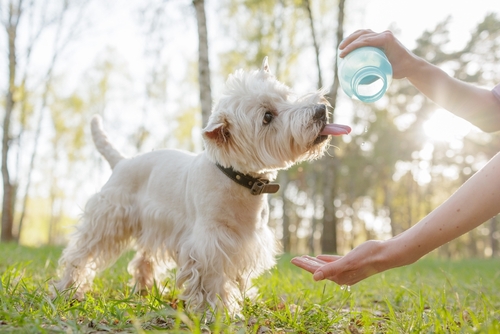
Summer in Utah is the perfect time to get outside with your pets. Whether you’re hiking local trails, exploring neighborhood parks, enjoying a backyard barbecue, or simply taking your dog for an evening walk, the warmer months offer countless opportunities to spend quality time together. While Utah doesn’t experience the same prolonged triple-digit temperatures as some parts of the Southwest, dogs and cats can still develop heatstroke surprisingly quickly.
At Family Pet Hospital, we believe that preventing heat-related illness starts with education. Heatstroke is a medical emergency, but it often gives pet owners warning signs before it becomes life-threatening. Learning to recognize those signs and understanding how to respond can help protect your pet throughout the summer. Family Pet Hospital has proudly served Mapleton, Springville, and the surrounding communities since 2002, providing comprehensive veterinary care with a strong emphasis on preventive medicine and low-stress handling.
What Is Heatstroke?
Heatstroke occurs when a pet’s body temperature rises faster than it can be cooled naturally. As body temperature climbs, vital organs begin to suffer damage. The heart, brain, liver, kidneys, lungs, and digestive system all depend on a stable body temperature to function properly.
Dogs and cats don’t cool themselves the way humans do. Instead of sweating across most of their bodies, dogs depend primarily on panting while cats rely on grooming and limited sweating through their paw pads. These methods work well under normal conditions but become much less effective during hot weather or periods of strenuous activity.
When a pet can no longer release enough heat, body temperature continues rising, and heatstroke develops.
Heatstroke Isn’t Just a Desert Problem
Many people associate heatstroke with extremely hot climates, but pets can overheat anywhere.
Warm summer afternoons in Utah, combined with exercise or excitement, can create conditions where a pet’s body simply can’t cool itself fast enough.
Some of the most common situations include:
- Hiking during the middle of the day
- Playing fetch for extended periods
- Long neighborhood walks
- Spending hours in the backyard
- Riding in vehicles without proper cooling
- Attending outdoor sporting events
- Relaxing on patios with limited shade
Heatstroke often develops gradually, giving owners an opportunity to recognize the warning signs before the situation becomes critical.
The Early Symptoms You Should Never Ignore
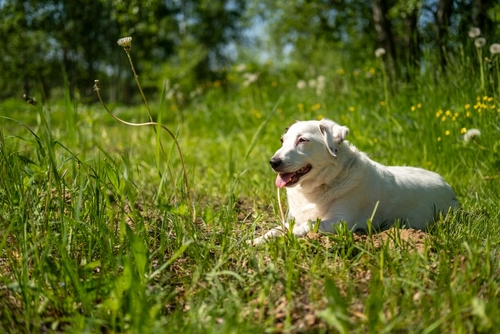
Your pet’s behavior is often the first clue that something isn’t right.
Early signs of overheating include:
- Heavy panting
- Excessive drooling
- Rapid breathing
- Bright red gums
- Weakness
- Slowing down during walks
- Reluctance to continue exercising
- Vomiting
- Mild diarrhea
- Lethargy
Some dogs will repeatedly stop walking or seek out cool grass and shade. Cats may become unusually quiet, hide beneath furniture, or stretch out on cool tile floors.
These changes may seem minor, but they’re often your pet’s first indication that they need help cooling down.
When Heatstroke Becomes an Emergency
If body temperature continues rising, symptoms become much more serious.
Emergency warning signs include:
- Difficulty standing
- Loss of coordination
- Collapse
- Tremors
- Confusion
- Seizures
- Pale or bluish gums
- Bloody diarrhea
- Loss of consciousness
At this point, immediate veterinary treatment is essential.
Heatstroke progresses quickly, and every minute without treatment increases the risk of permanent organ damage.
Which Pets Need Extra Protection?
Although every pet can develop heatstroke, certain animals require additional precautions.
Flat-Faced Breeds
Dogs with shortened noses have more difficulty moving air through their respiratory system.
This includes:
- Bulldogs
- French Bulldogs
- Pugs
- Boston Terriers
- Shih Tzus
Persian and Himalayan cats also have increased difficulty regulating body temperature.
Senior Pets
Older pets often have underlying health conditions that reduce their ability to tolerate warm weather.
Puppies and Kittens
Young animals haven’t fully developed their ability to regulate body temperature and may overheat much faster than adults.
Overweight Pets
Extra body fat traps heat, making it harder for the body to cool itself.
Pets with Chronic Medical Conditions
Heart disease, respiratory disease, obesity, and endocrine disorders all increase a pet’s susceptibility to heat-related illness.
Don’t Forget About Hot Pavement
Even if the air temperature feels pleasant, sidewalks and asphalt can become much hotter after sitting in the sun.
Hot pavement doesn’t just burn paw pads. It also transfers heat directly into your pet’s body with every step.
Before every walk, place the back of your hand on the pavement for several seconds.
If it’s too uncomfortable for you, it’s too hot for your pet.
Whenever possible, choose grassy trails or shaded sidewalks, especially during the afternoon.
Why Parked Vehicles Become Dangerous So Quickly
Even on relatively mild summer days, the inside of a parked vehicle heats rapidly.
Temperatures climb much faster than most people expect, and cracking the windows provides very little protection.
Within minutes, conditions can become dangerous.
The safest choice is simple:
If your pet cannot come inside with you, leave them comfortably at home.
What To Do If Your Pet Is Overheating
If you suspect your pet is becoming overheated, don’t wait to see if they improve.
Move them immediately into a cool, shaded, or air-conditioned location.
Offer small amounts of cool drinking water.
Apply cool water to the belly, paws, legs, and neck. Avoid using ice water because rapid cooling may interfere with the body’s natural temperature regulation.
If available, use a fan to increase airflow.
Then contact your veterinarian right away.
Even if your pet begins acting normally after cooling down, they should still be examined. Internal complications may continue developing after body temperature starts to decrease.
Simple Ways to Prevent Heatstroke
Fortunately, most cases of heatstroke can be prevented with thoughtful planning.
A few simple habits can make a big difference:
- Walk during the cooler morning or evening hours.
- Bring fresh water on every outing.
- Allow frequent rest breaks during exercise.
- Provide access to shade whenever pets are outdoors.
- Avoid strenuous activity during the hottest part of the day.
- Monitor your pet closely for signs of fatigue.
- Adjust outdoor activities based on your pet’s age, breed, and overall health.
These small changes help your pet stay comfortable while still enjoying everything summer has to offer.
Helping Your Pet Enjoy a Healthy Summer
Summer should be filled with adventures, not emergencies. By recognizing the earliest signs of heatstroke and responding quickly, you can help prevent a dangerous situation before it becomes life-threatening.
If your dog or cat begins panting excessively, slowing down during activity, drooling heavily, or acting differently than usual, don’t ignore those changes. Early intervention and prompt veterinary care provide the best opportunity for a full recovery.
At Family Pet Hospital, we’re committed to helping pets in Mapleton, Springville, and surrounding communities enjoy long, healthy lives through preventive care and compassionate veterinary medicine. Whether your companion needs a wellness visit, guidance on staying safe during the summer, or prompt treatment when something isn’t right, our experienced team is here to help every step of the way.